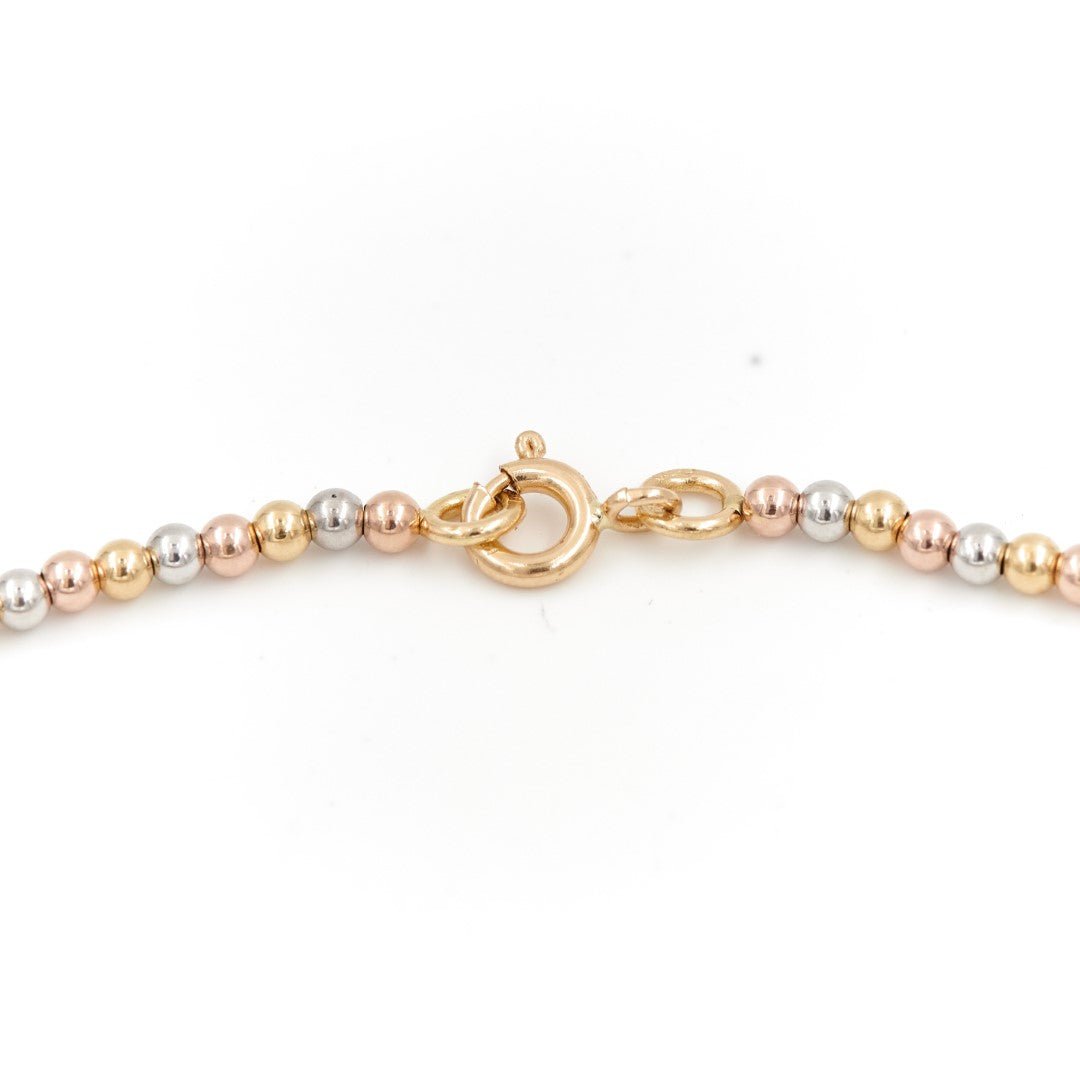
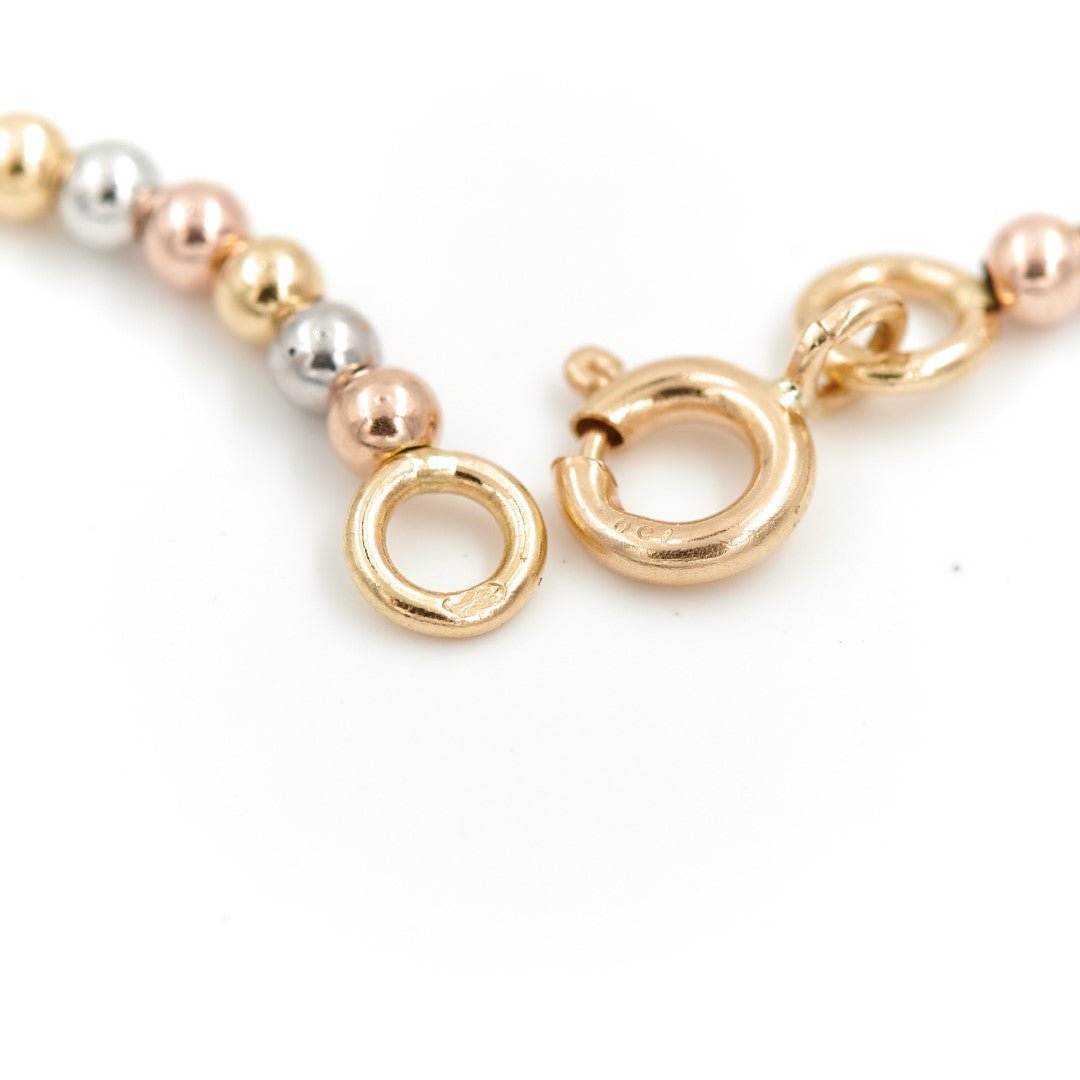
The Marseille necklace
A jewel steeped in history and tradition
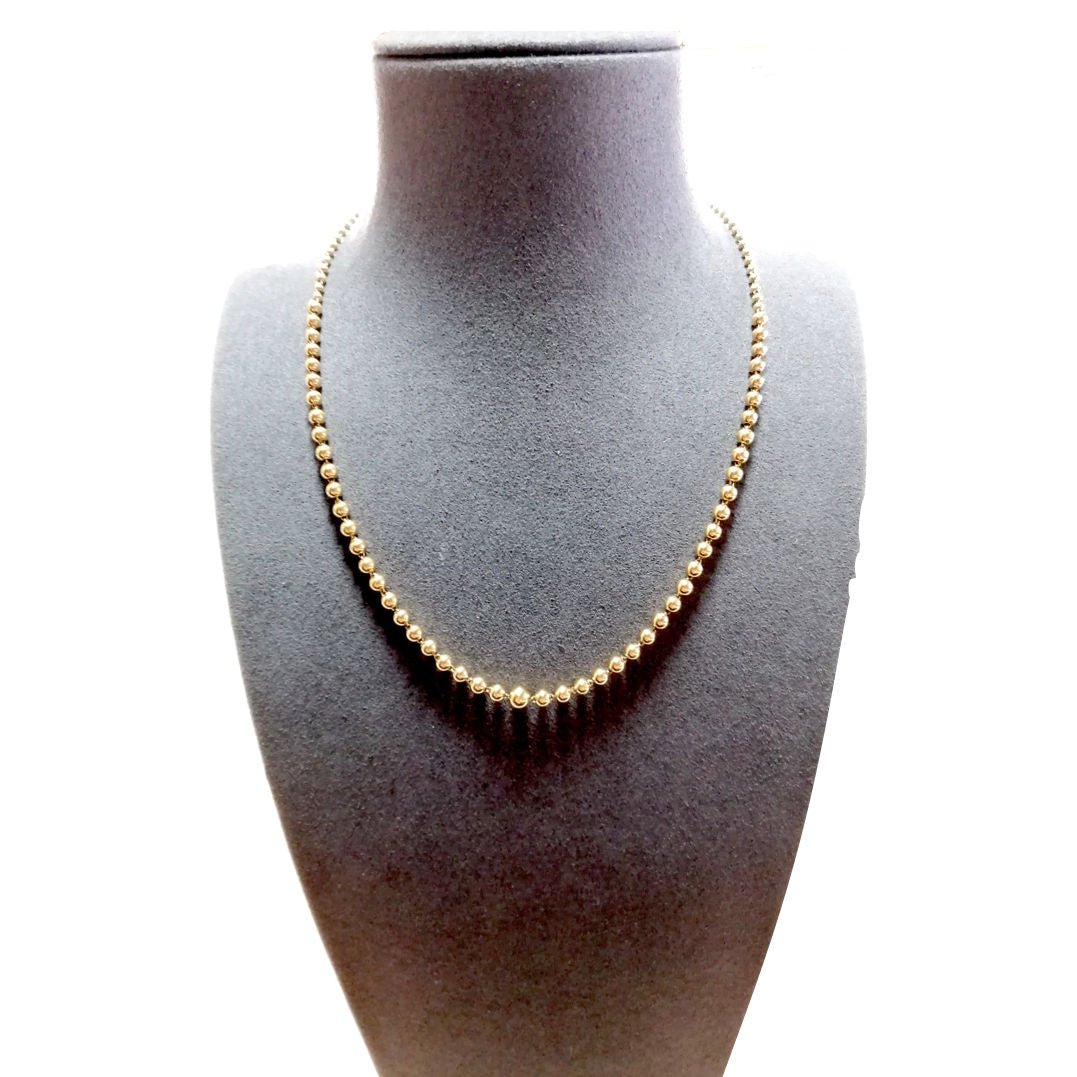
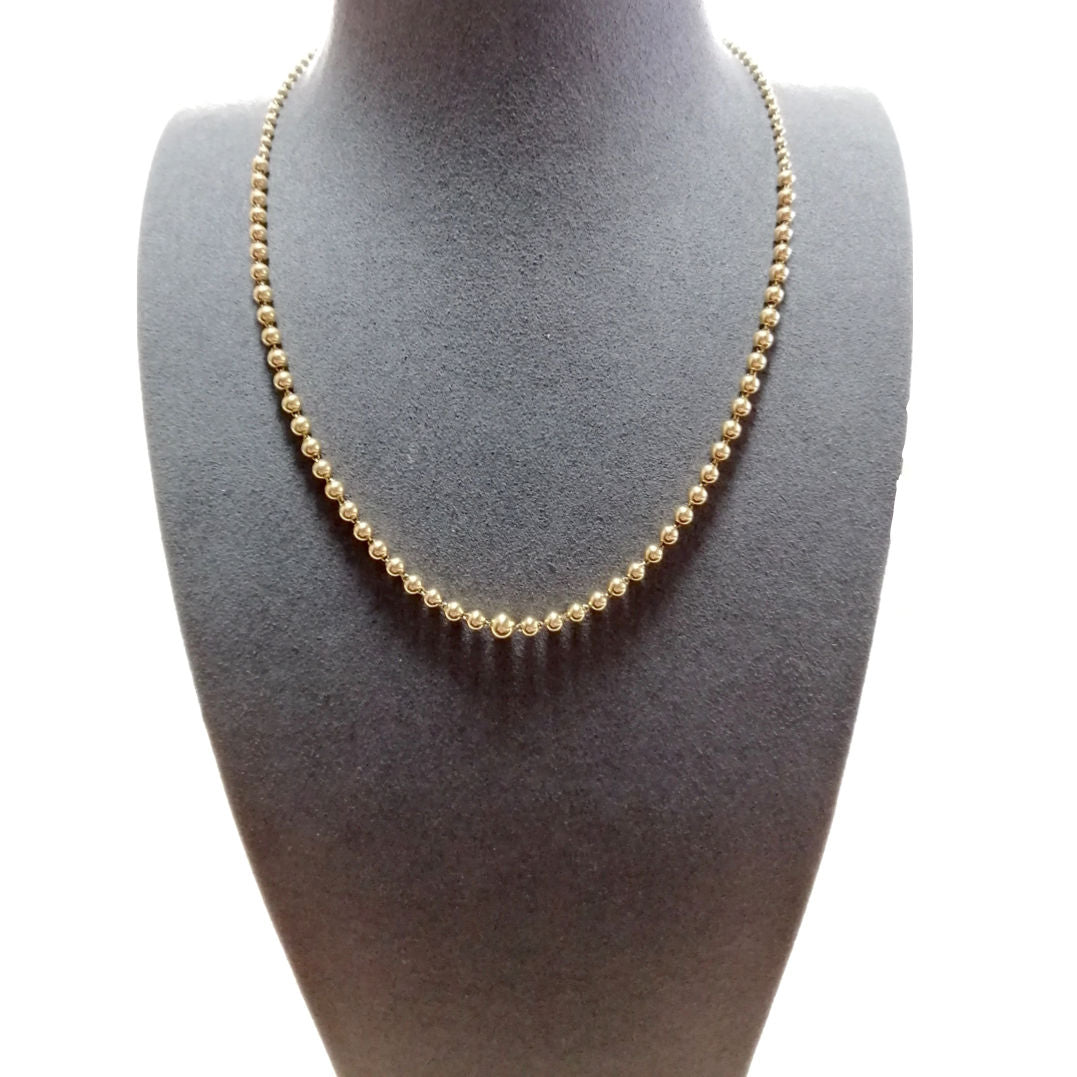
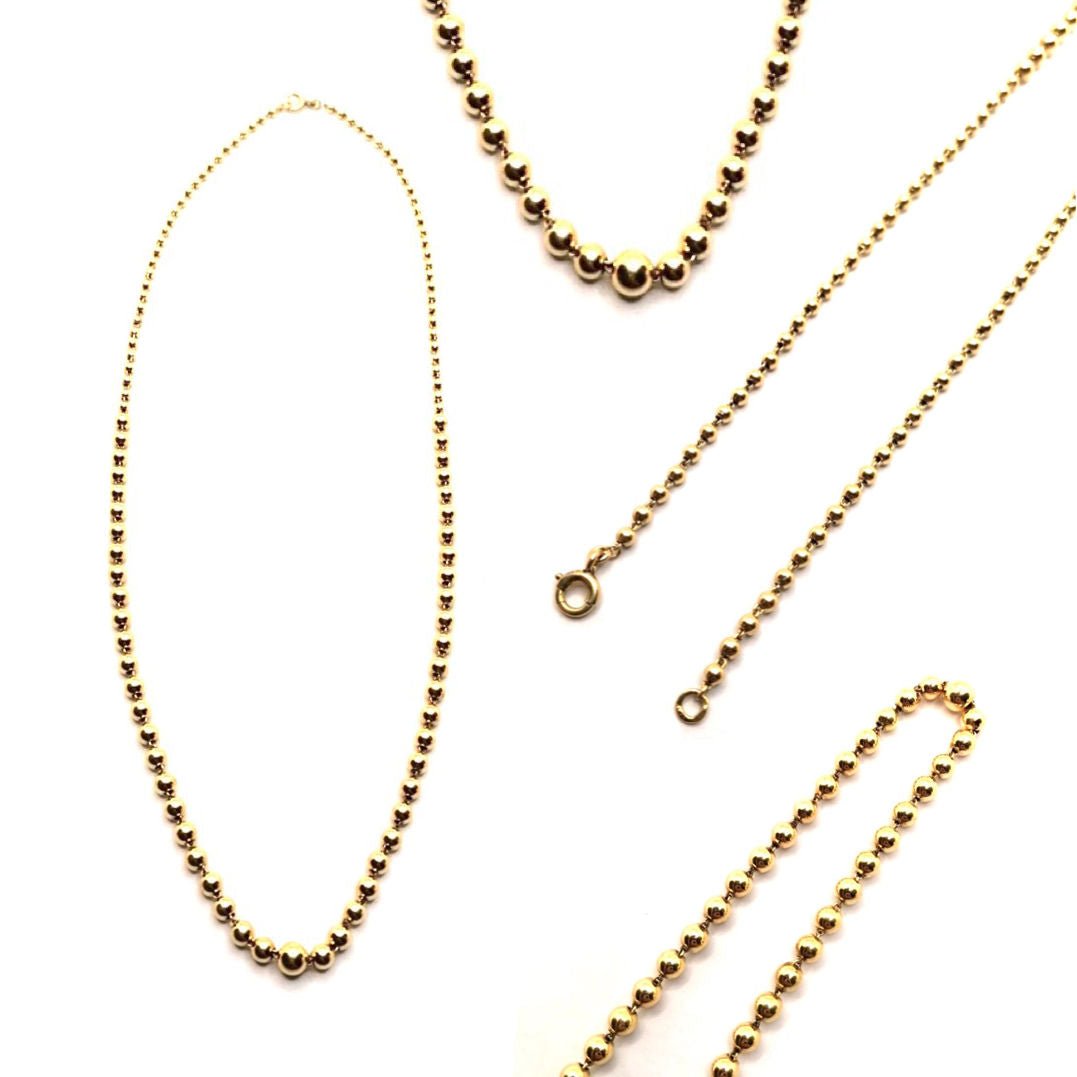
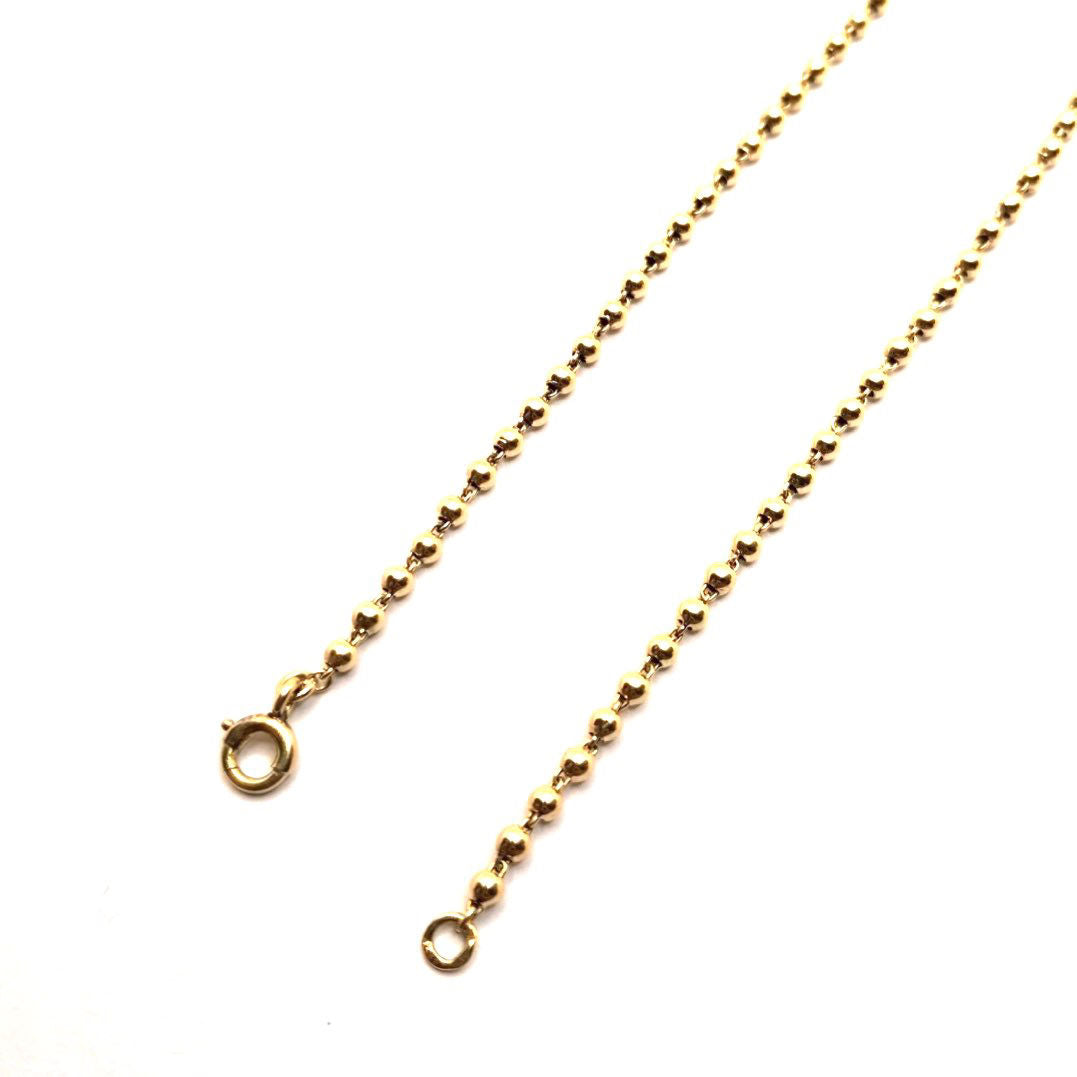
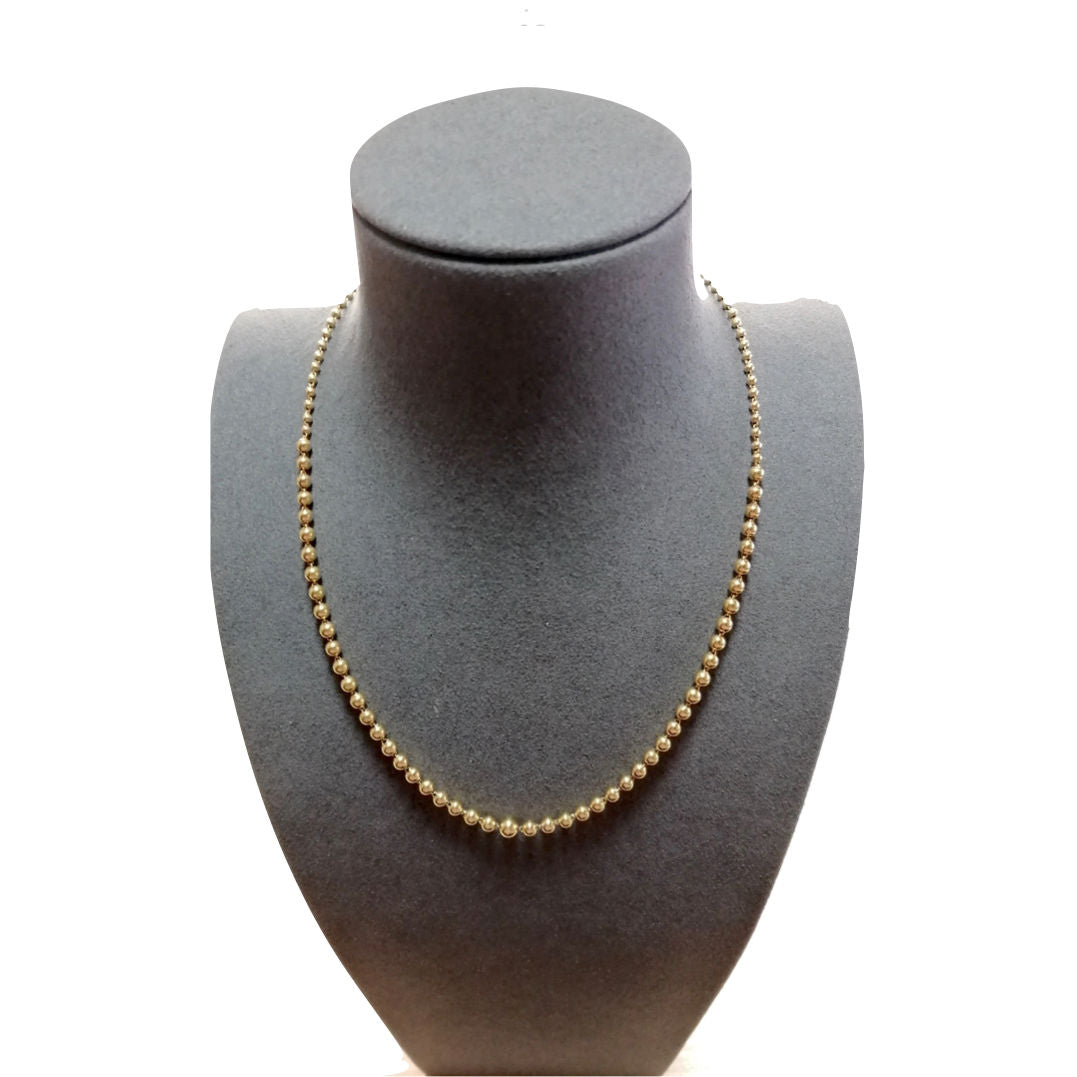
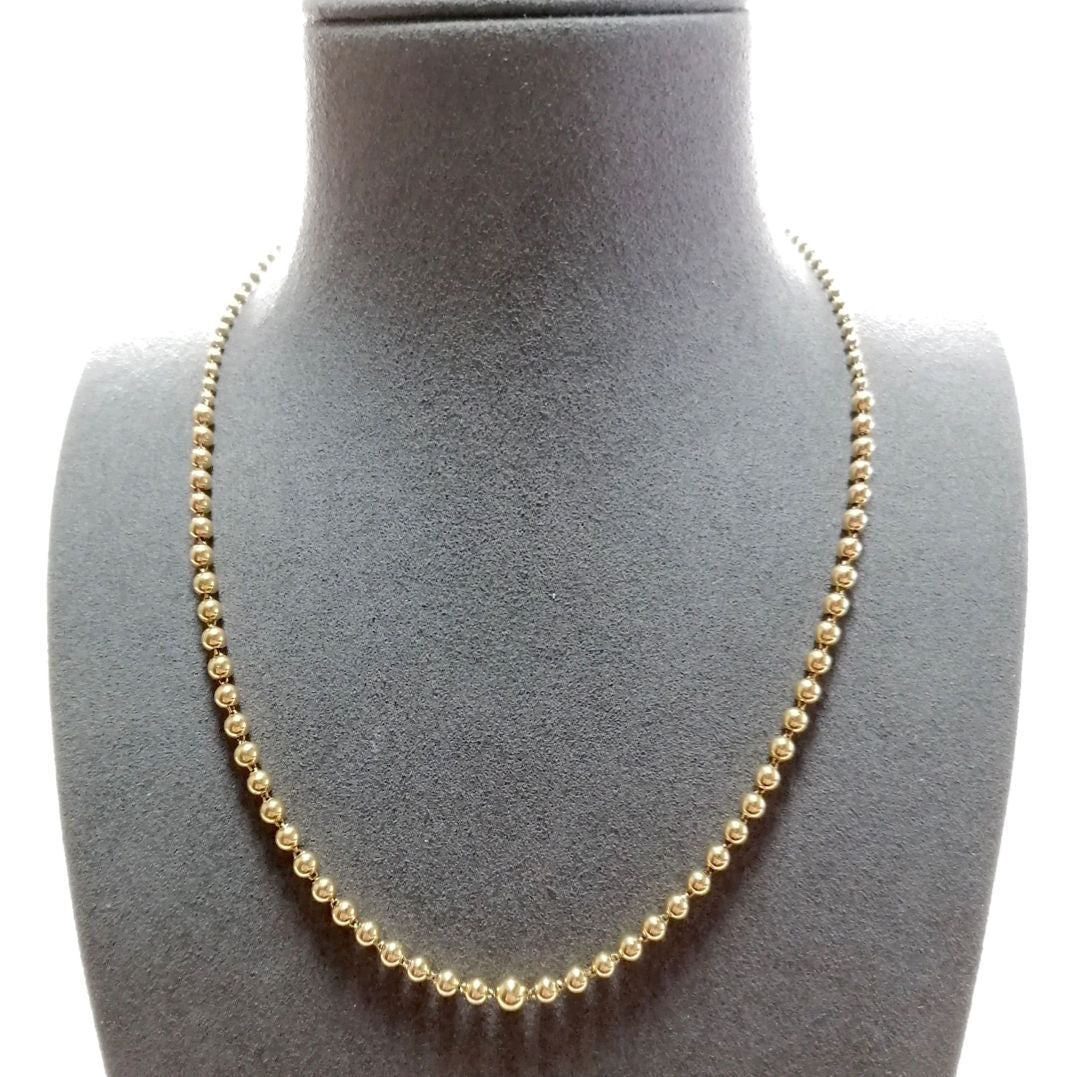
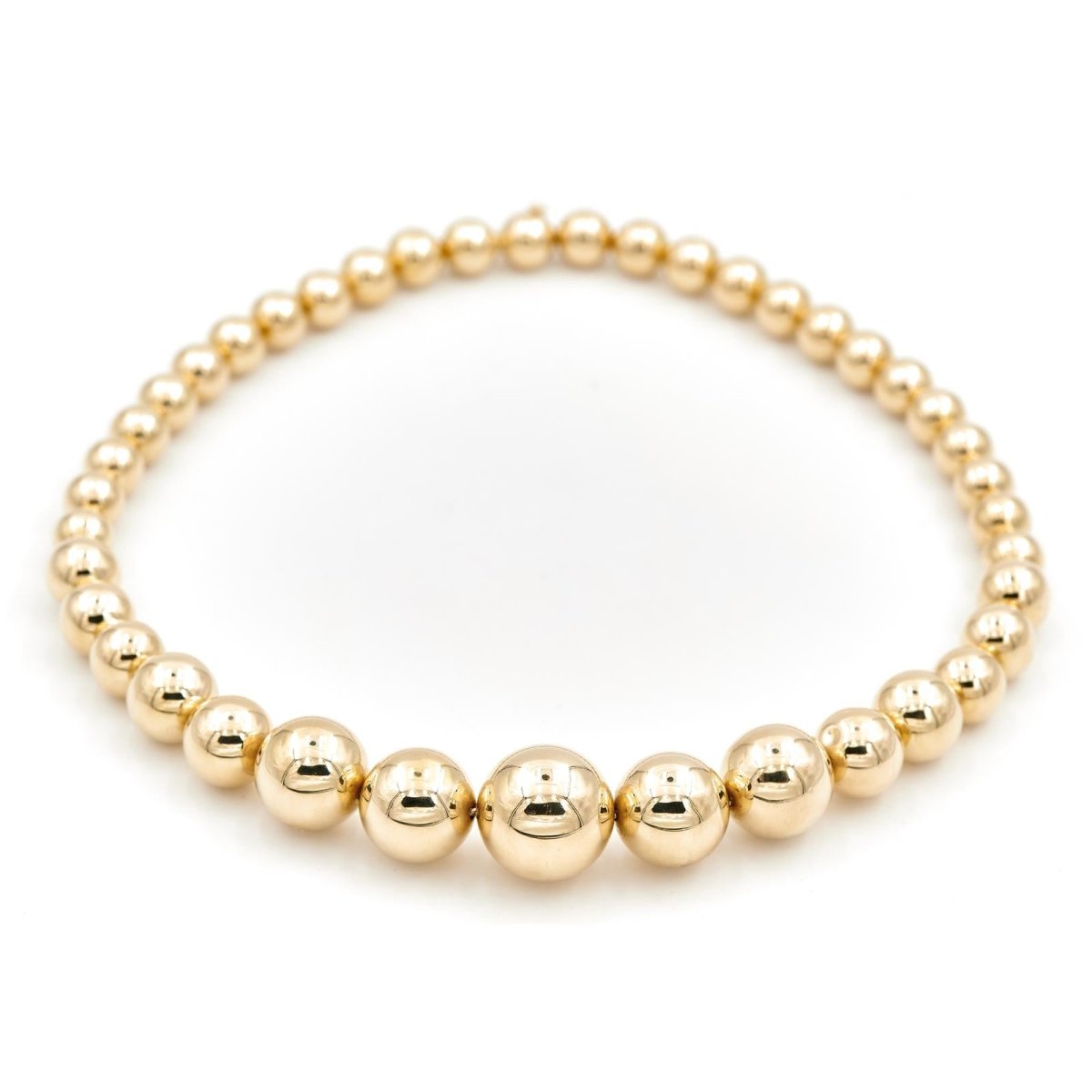
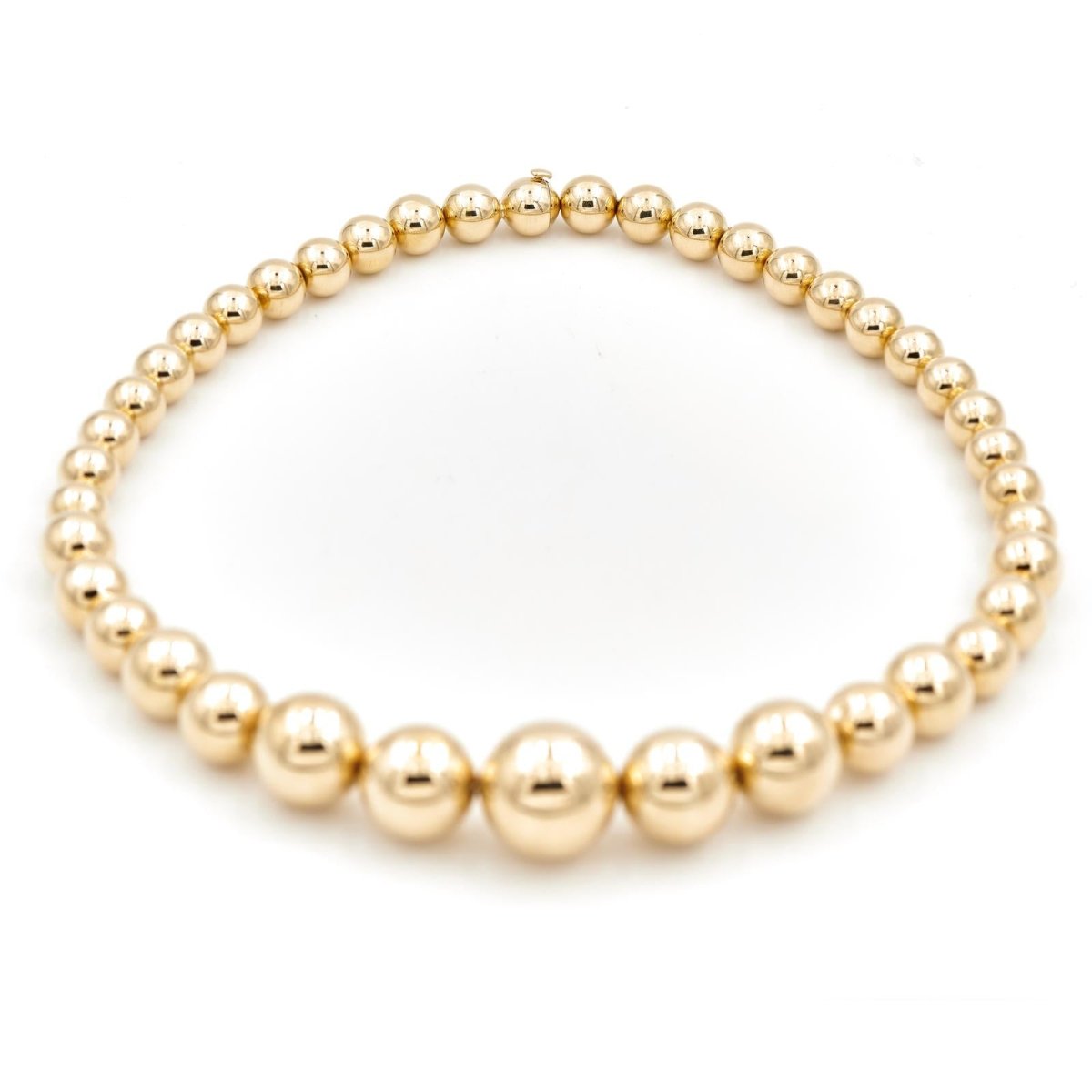
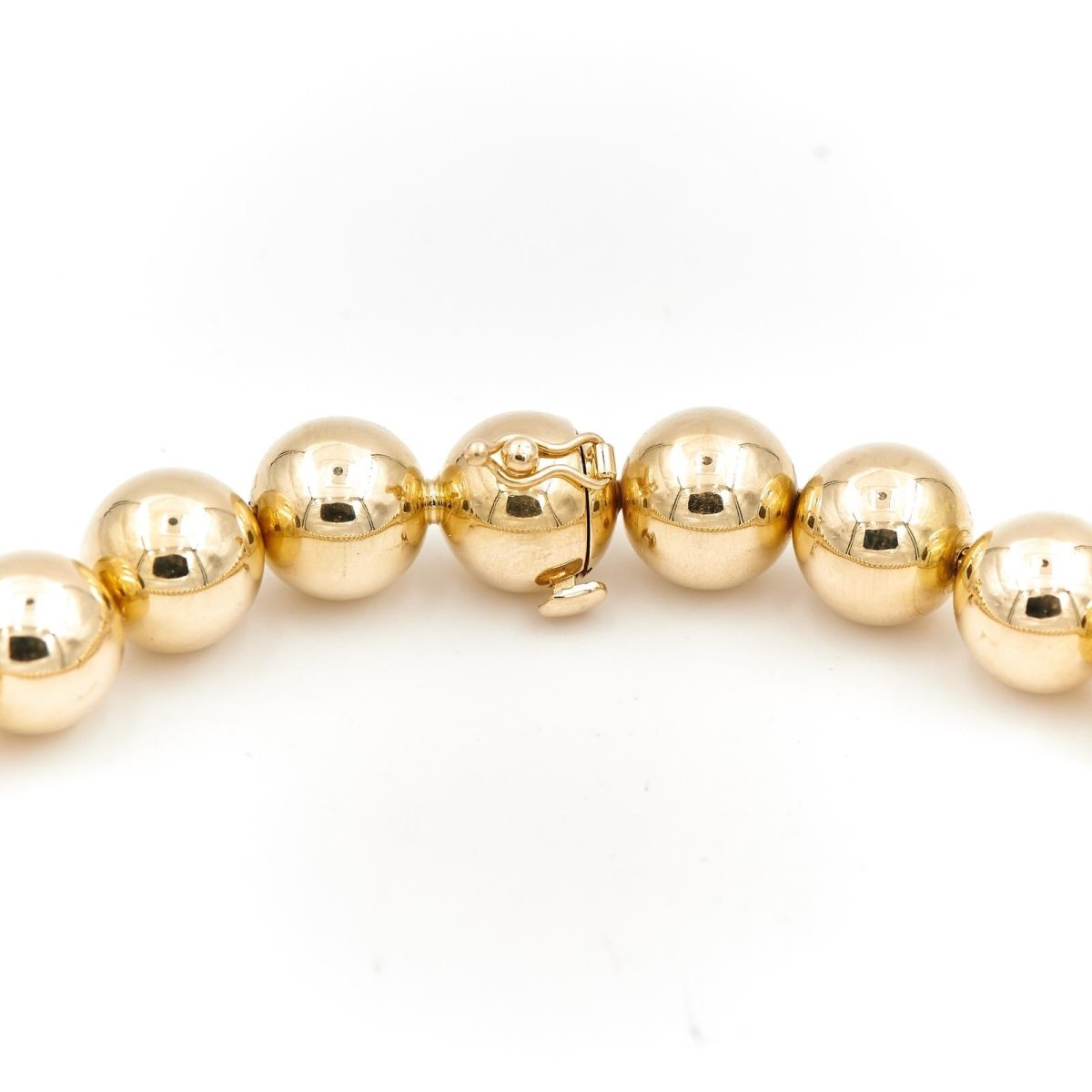
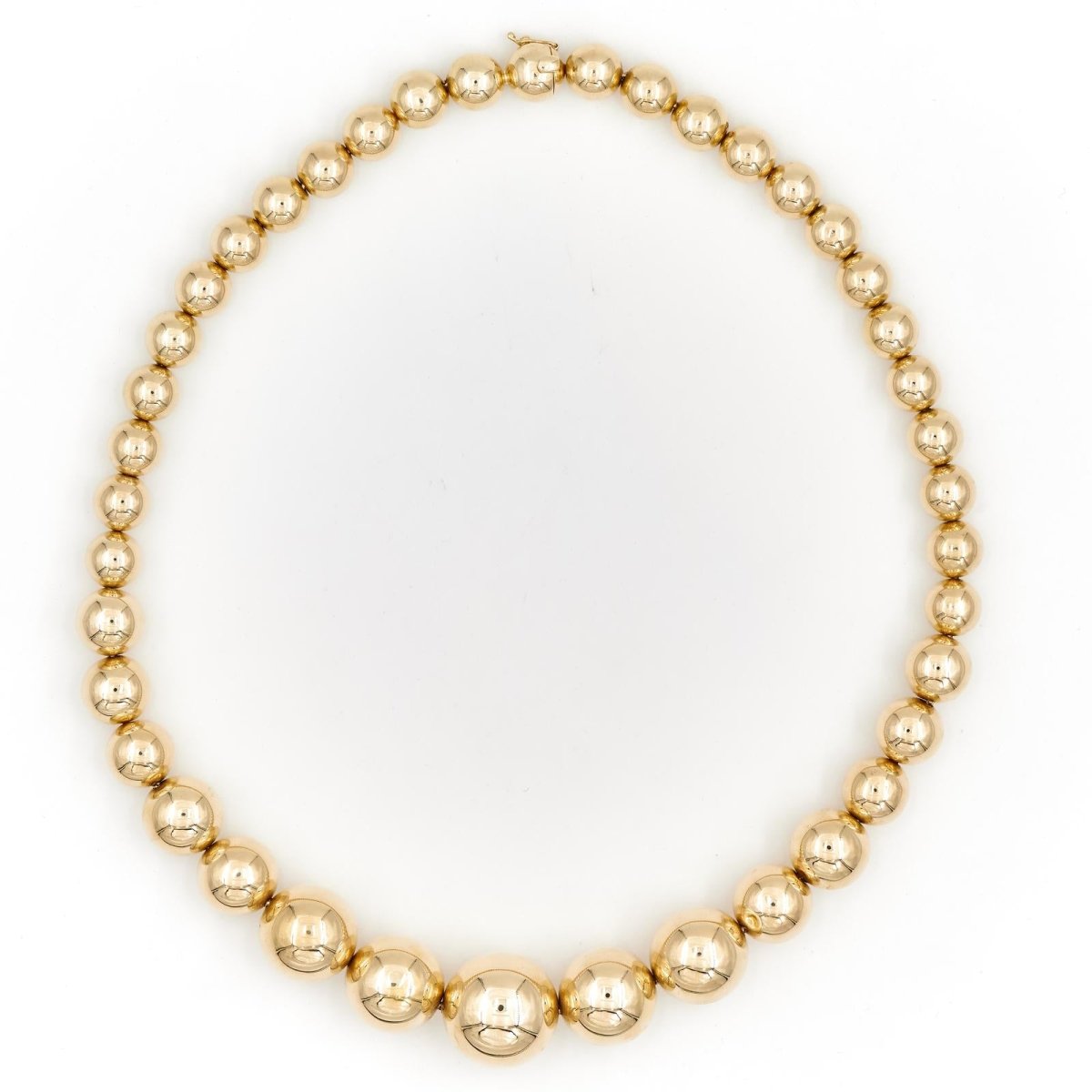
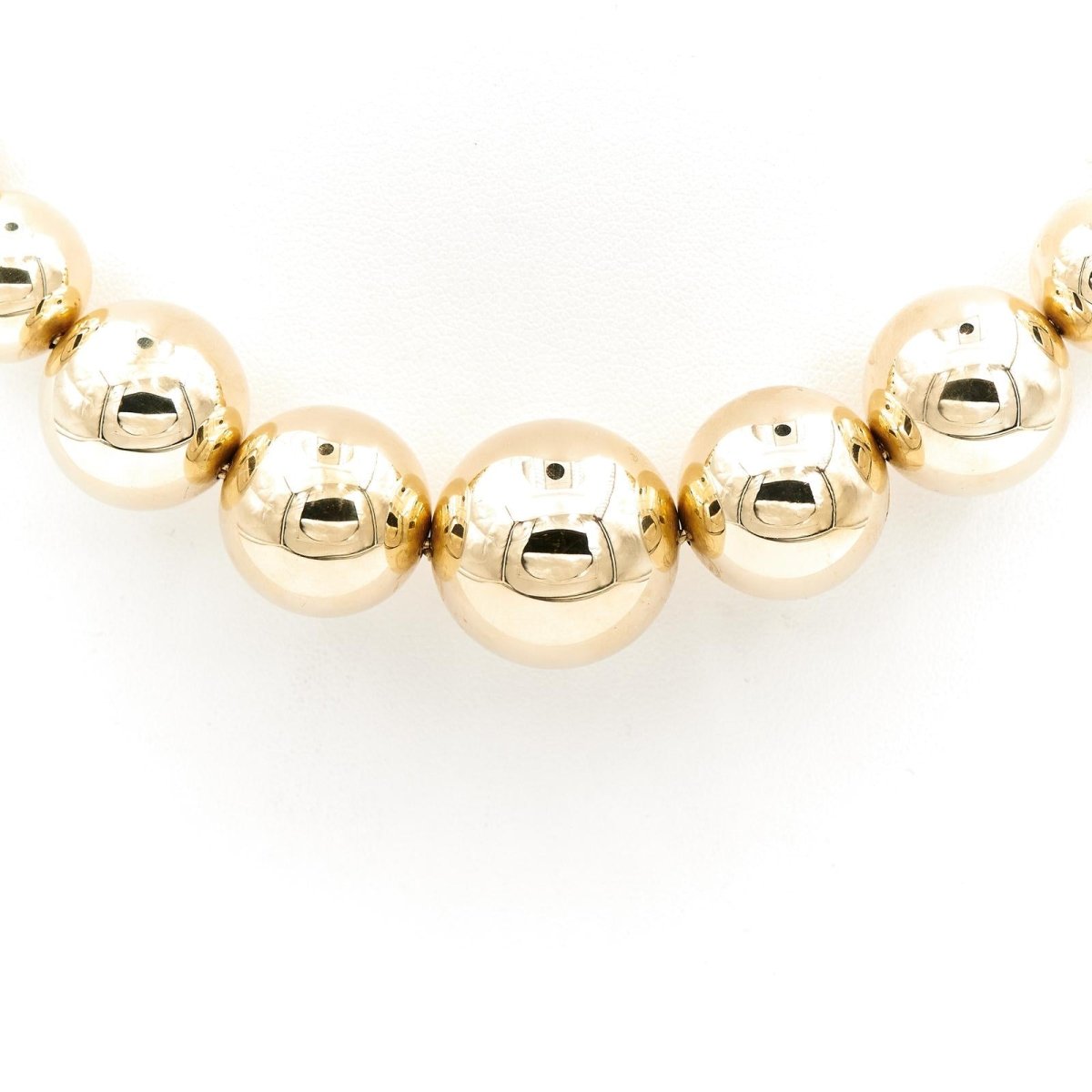
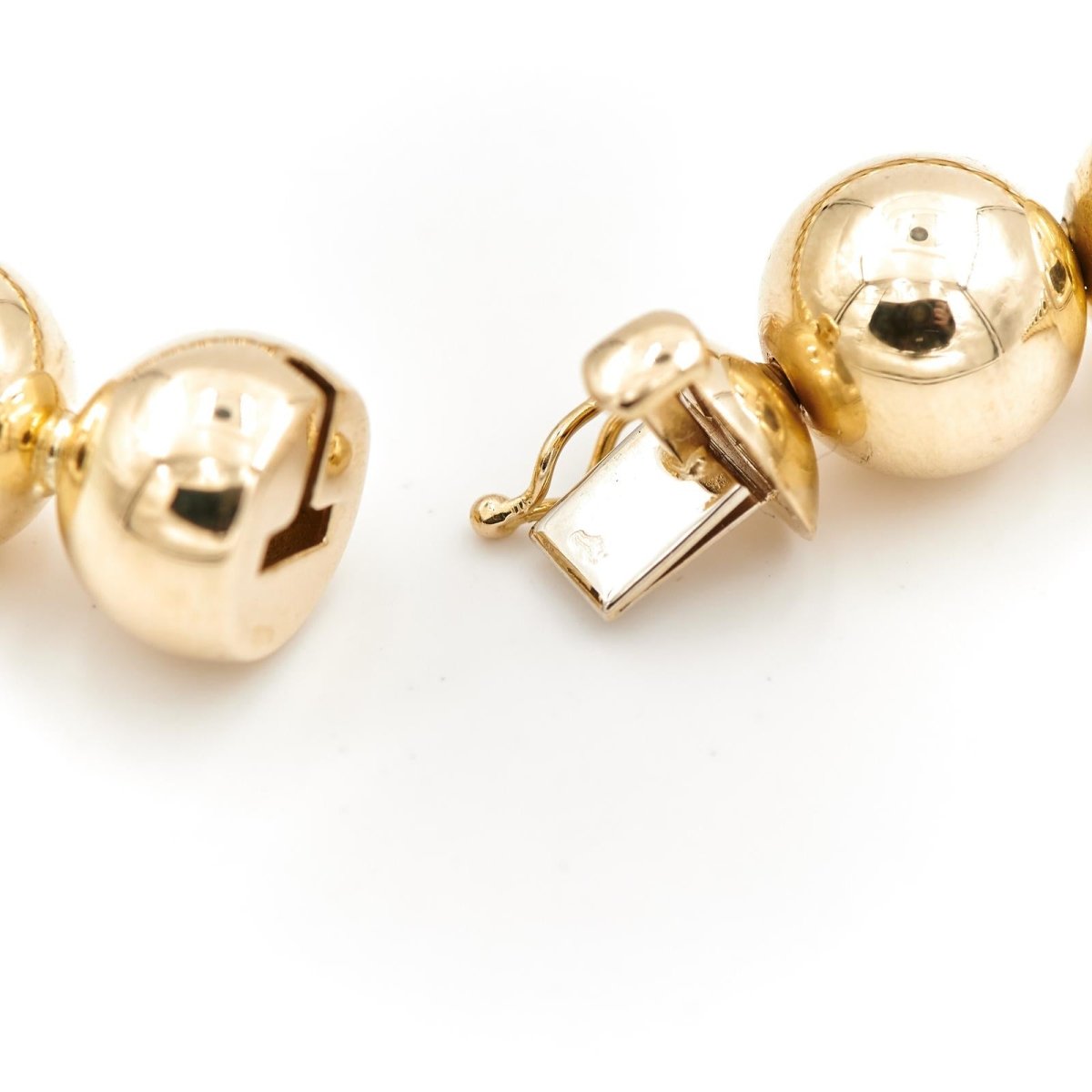
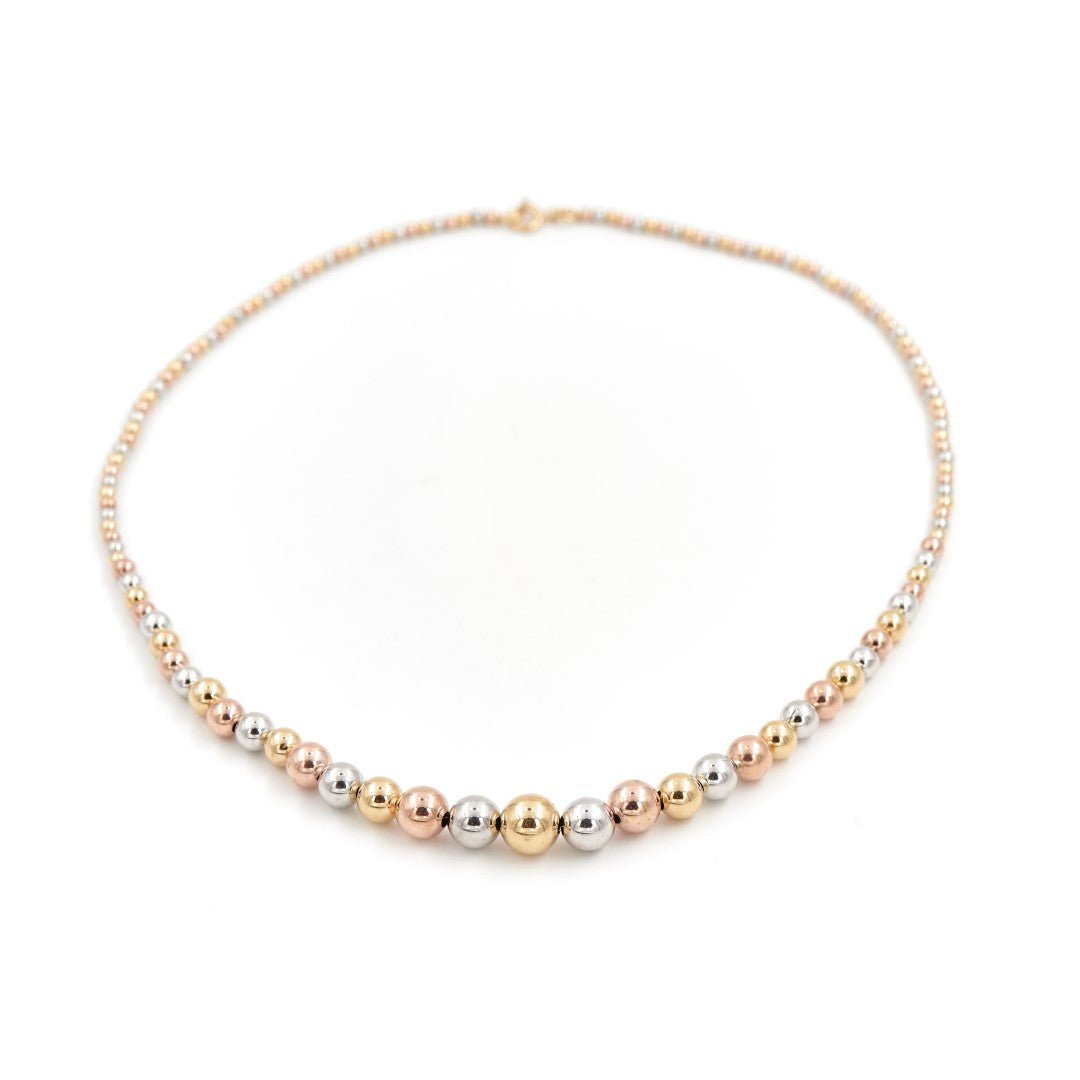
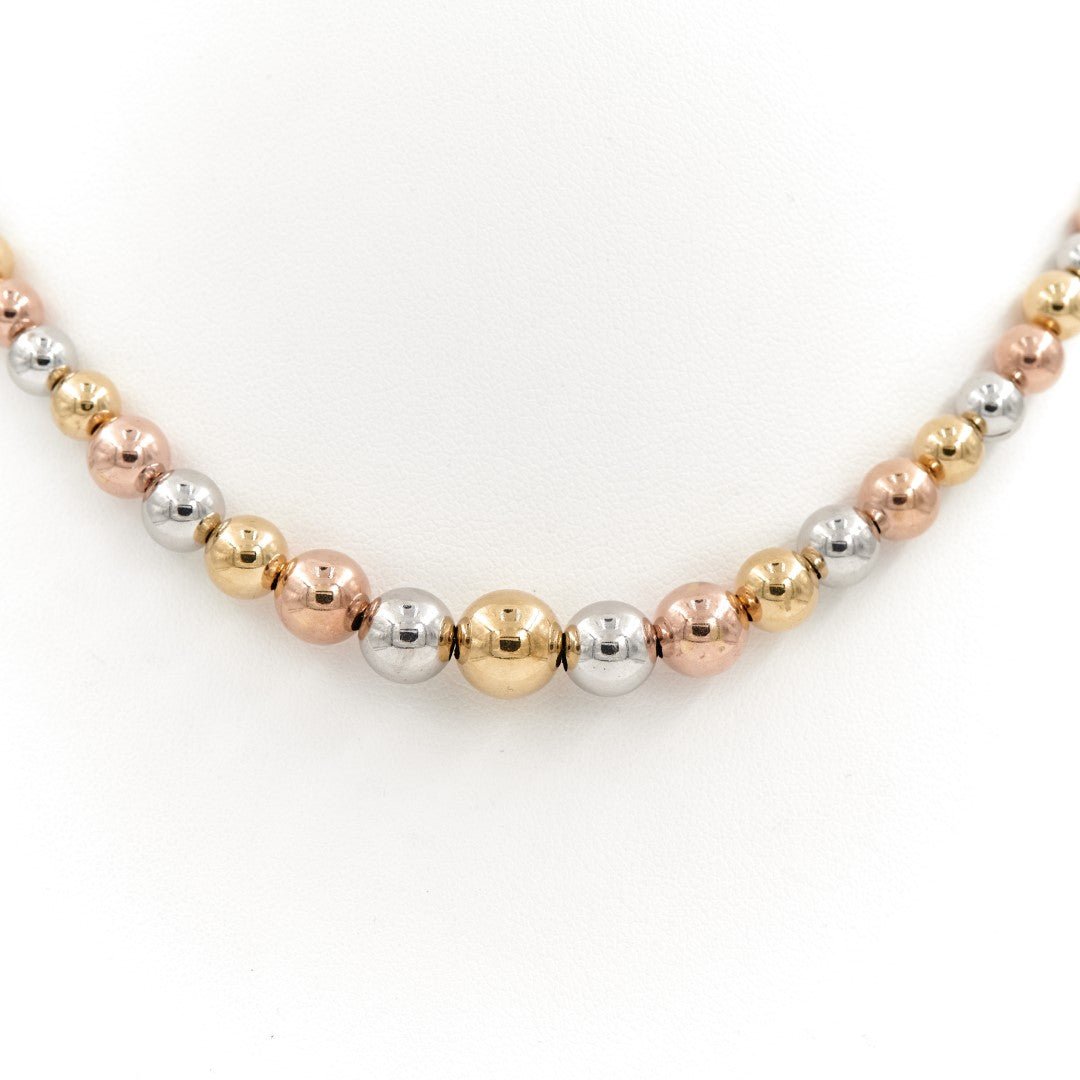
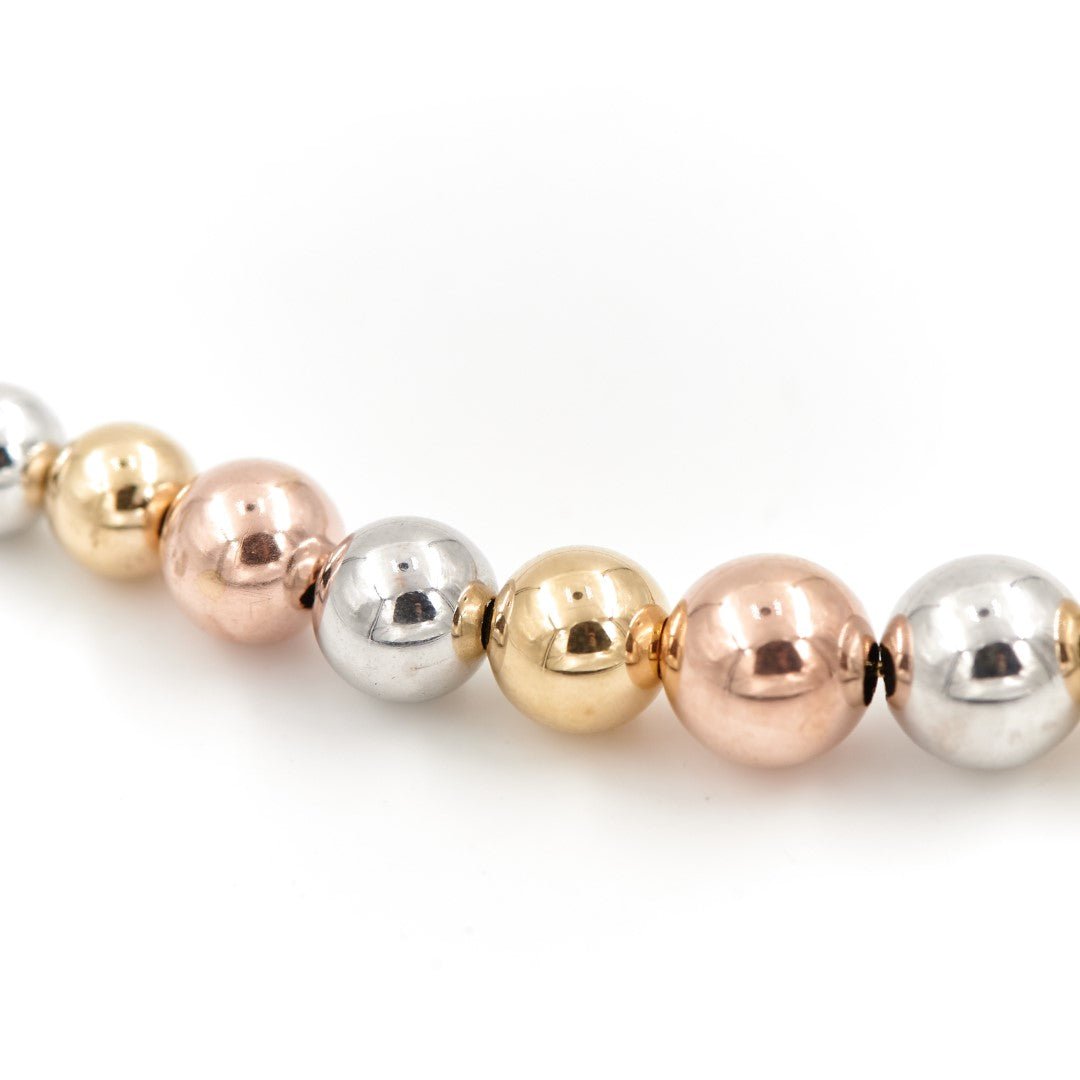
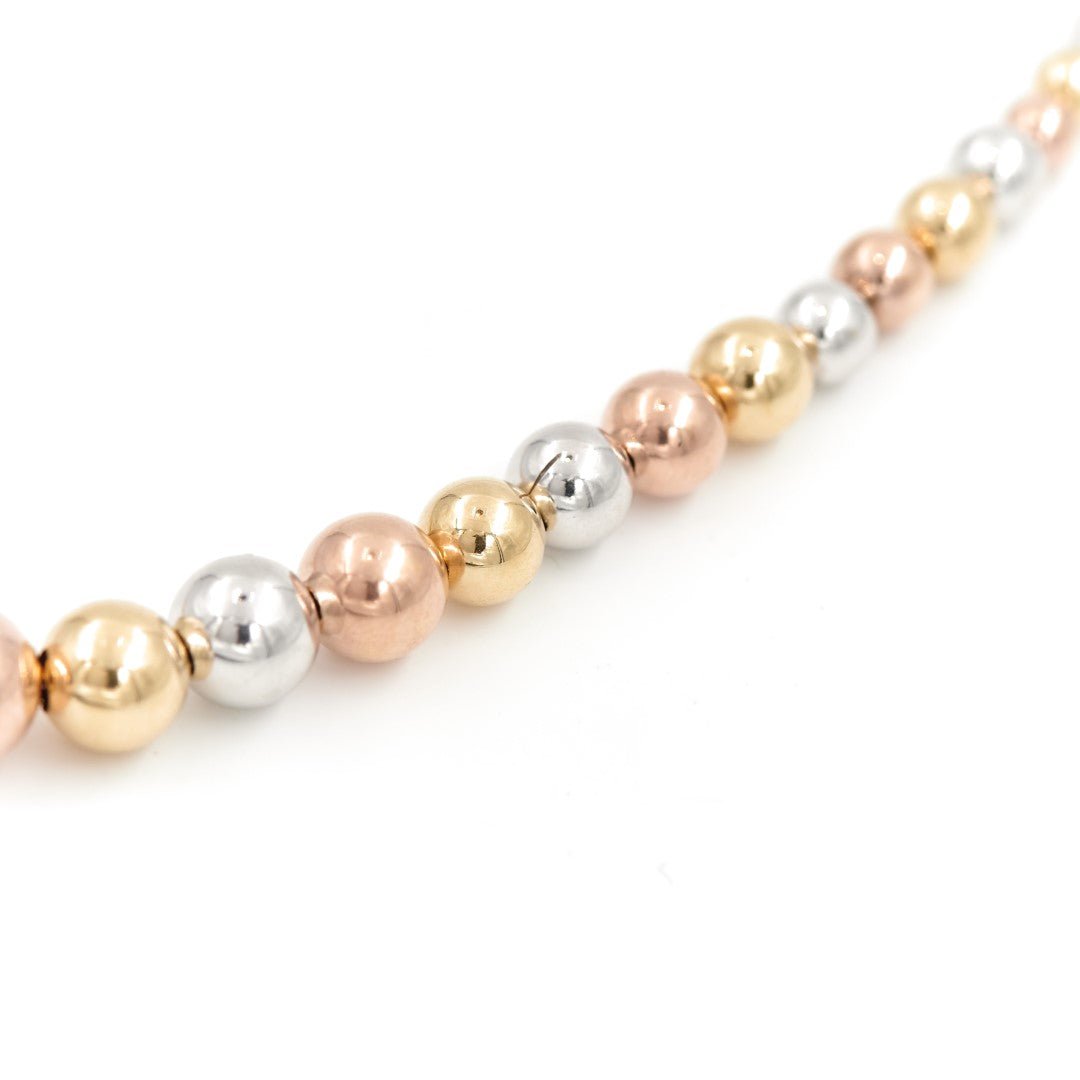
The Marseilles necklace is generally 45 cm long and consists of smooth, hollow yellow gold beads linked by small links . Its origins date back to the 18th century , in the heart of Marseilles' markets where " partisans " — itinerant merchants — bought gold beads to build up personal savings .
The tradition of the partisans and family transmission
The partisans , who ran stalls passed down from generation to generation in the Marseille markets, put aside their savings by buying small gold balls which they strung on a simple thread - a discreet symbol of their capital - later replaced by more robust gold links .

A custom adopted by Marseille families
In the 19th century , middle-class families adopted this tradition . From birth , little girls in Marseille received a golden ball on important occasions such as communions, Christmas, and birthdays.
When a girl turned 16 , the accumulated beads were assembled into a complete necklace : the famous Marseilles necklace .
A symbolic piece of jewelry, now revisited.
Today , although the Marseilles necklace remains an emblematic piece of jewelry from Marseilles , it is now often bought ready-made and available in bracelets or contemporary designs (silver, pearls, fine chains).