René Boivin: Audacity and timeless elegance in jewelry
René Boivin, a visionary jeweler dedicated to audacity and modernity
Jules René Boivin was born in Paris in 1864. From a family of drapers, he began his apprenticeship with one of his brothers, who had become a goldsmith . In 1890 , he founded his own eponymous jewelry house . From the early decades of the 20th century , he established himself as a major figure in French high jewelry , renowned for his bold and innovative style.

The beginnings and the family alliance
In 1893 , Boivin decided to establish himself at 38 rue de Turbigo , after acquiring several workshops and assembling a team of artisans. That same year, he married Jeanne Poiret , sister of the couturier Paul Poiret. Together, they formed a complementary duo : René designed and oversaw the garments, while Jeanne managed client relations and shaped the brand image.
Continuity ensured by Jeanne Boivin
Upon René's death in 1917 , Jeanne took over the reins of the company, ensuring its continuity with boldness and modernity . She moved the workshops to the Avenue de l'Opéra and commissioned her brother-in-law, André Groult , to decorate everything. The Salon Boivin , adjacent to the studio, became a popular meeting place, frequented by socialites such as Hélène Rochas , Elsa Schiaparelli , and Lady Diana Cooper .

A bold and innovative style
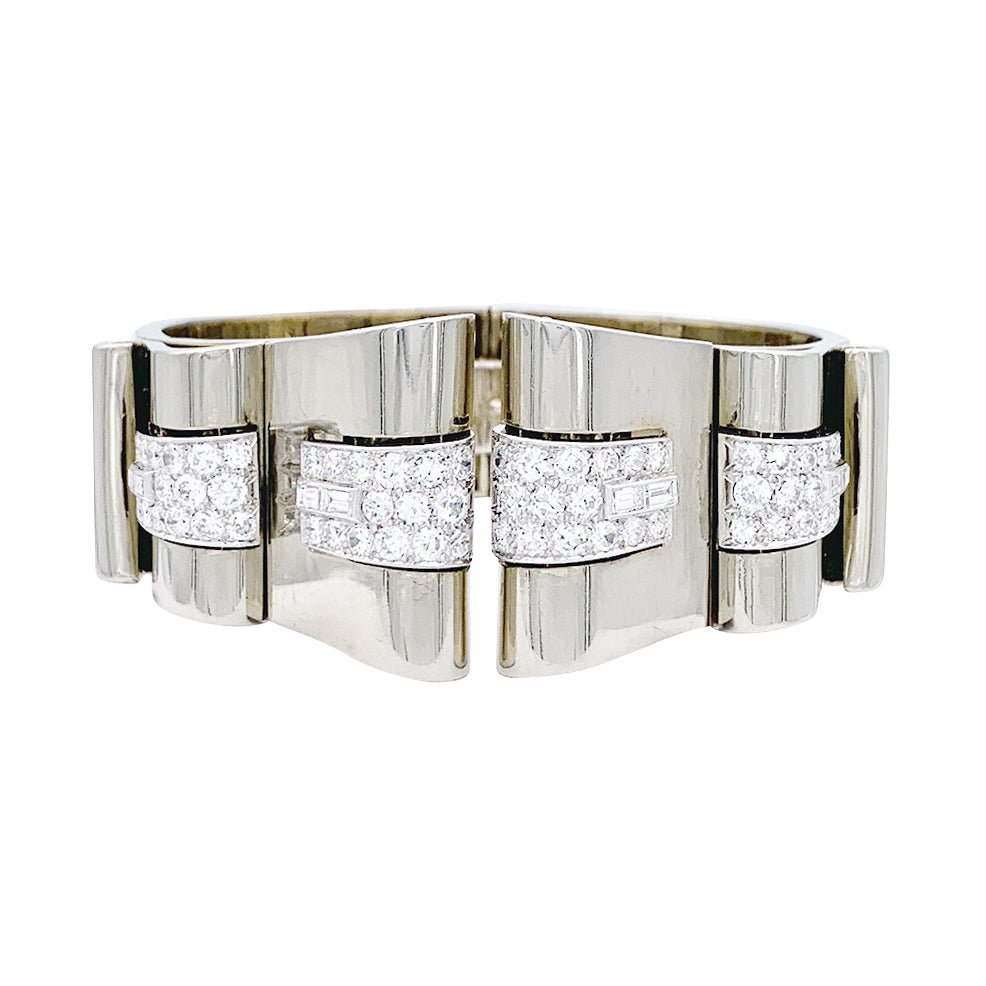
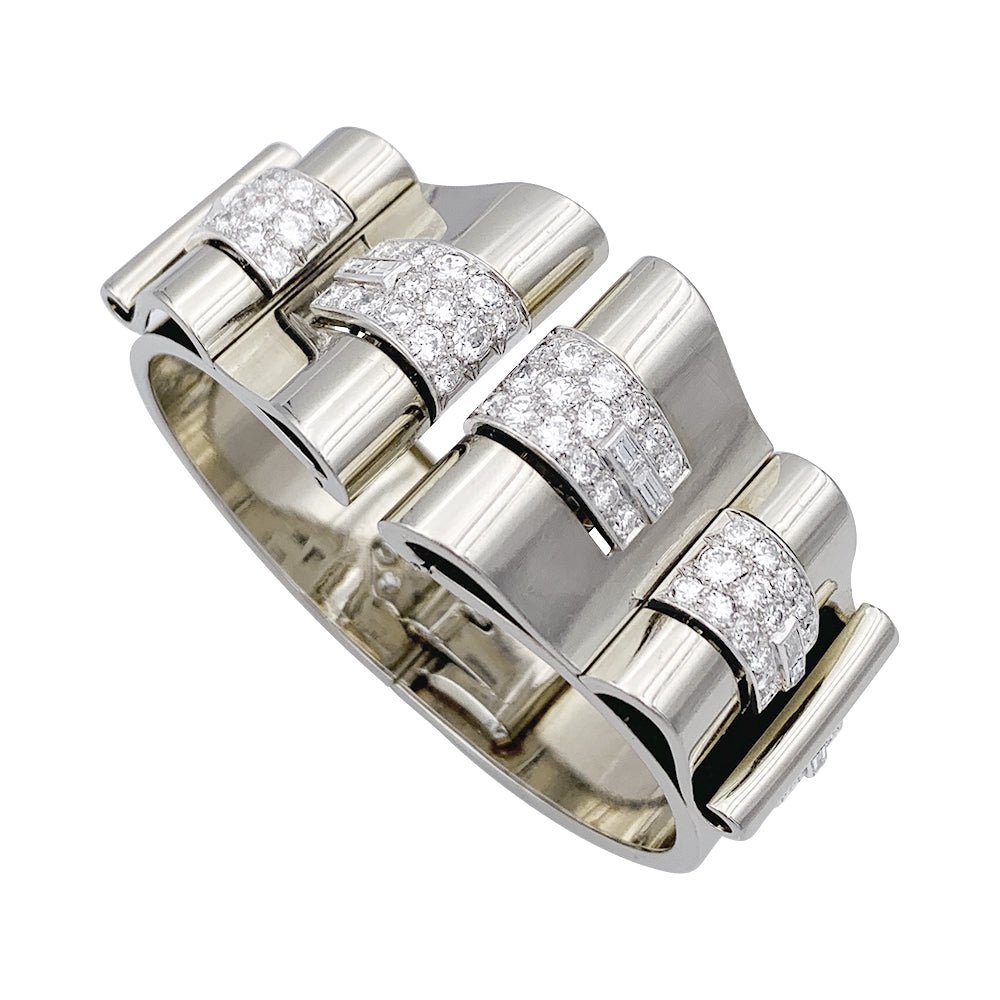
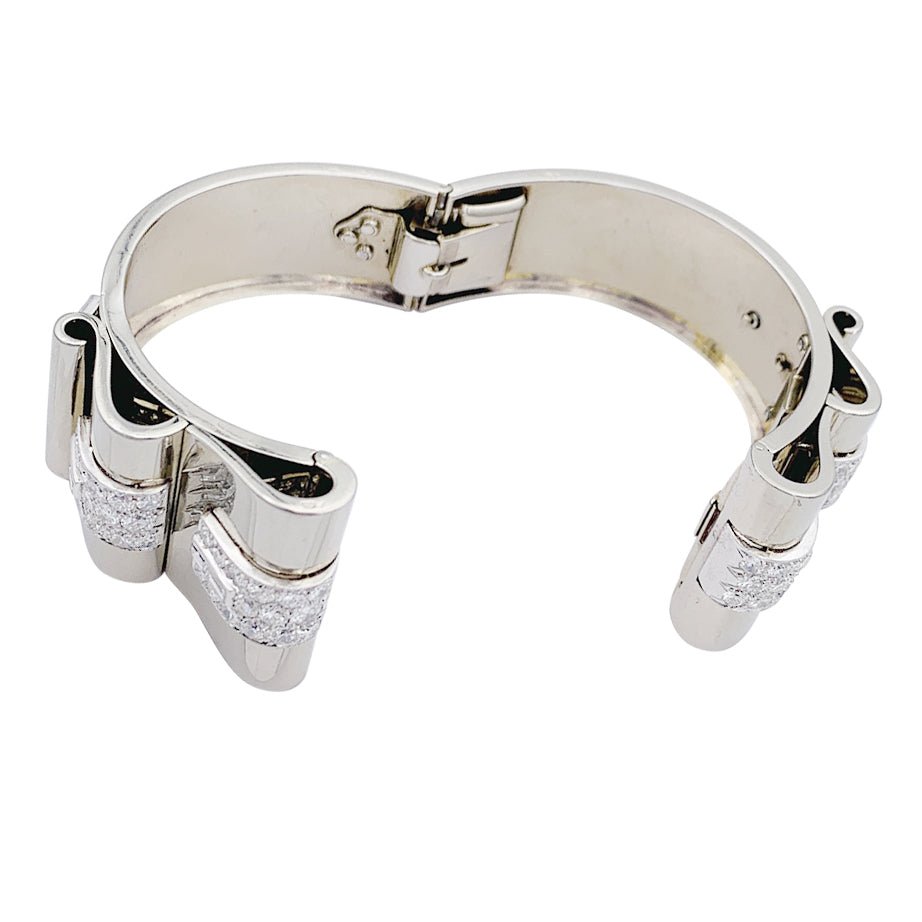
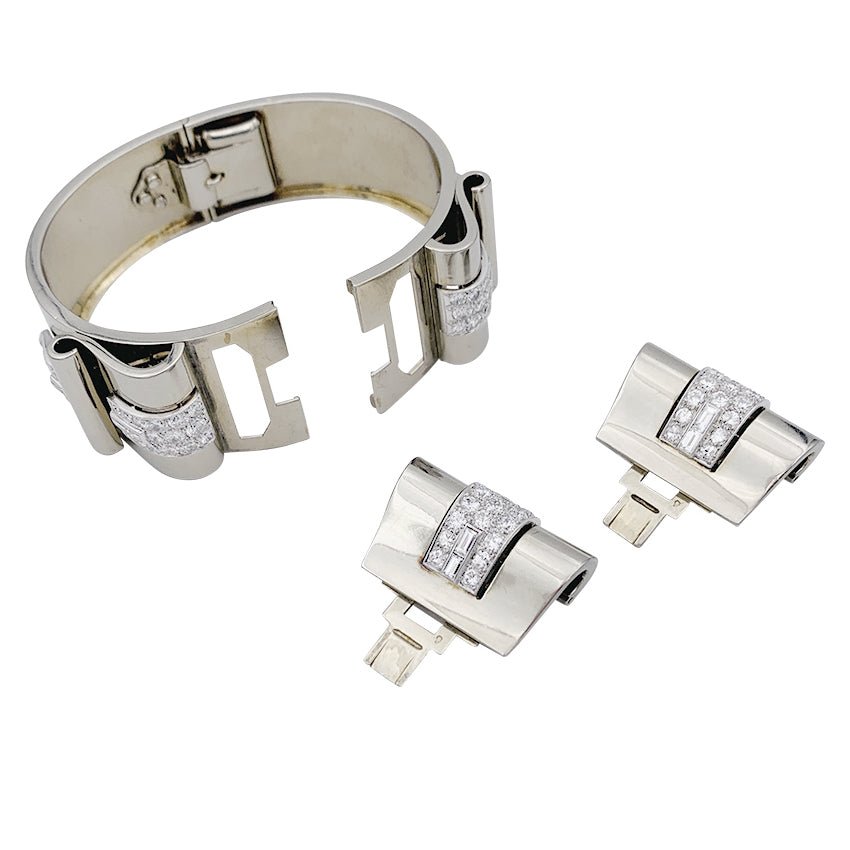
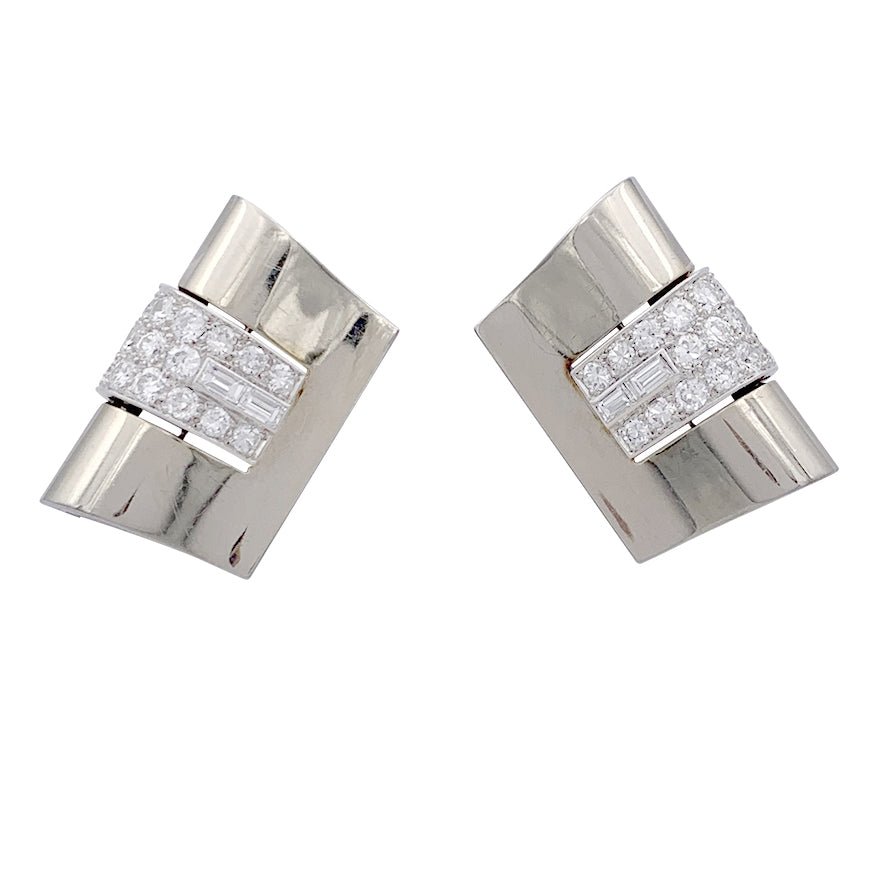
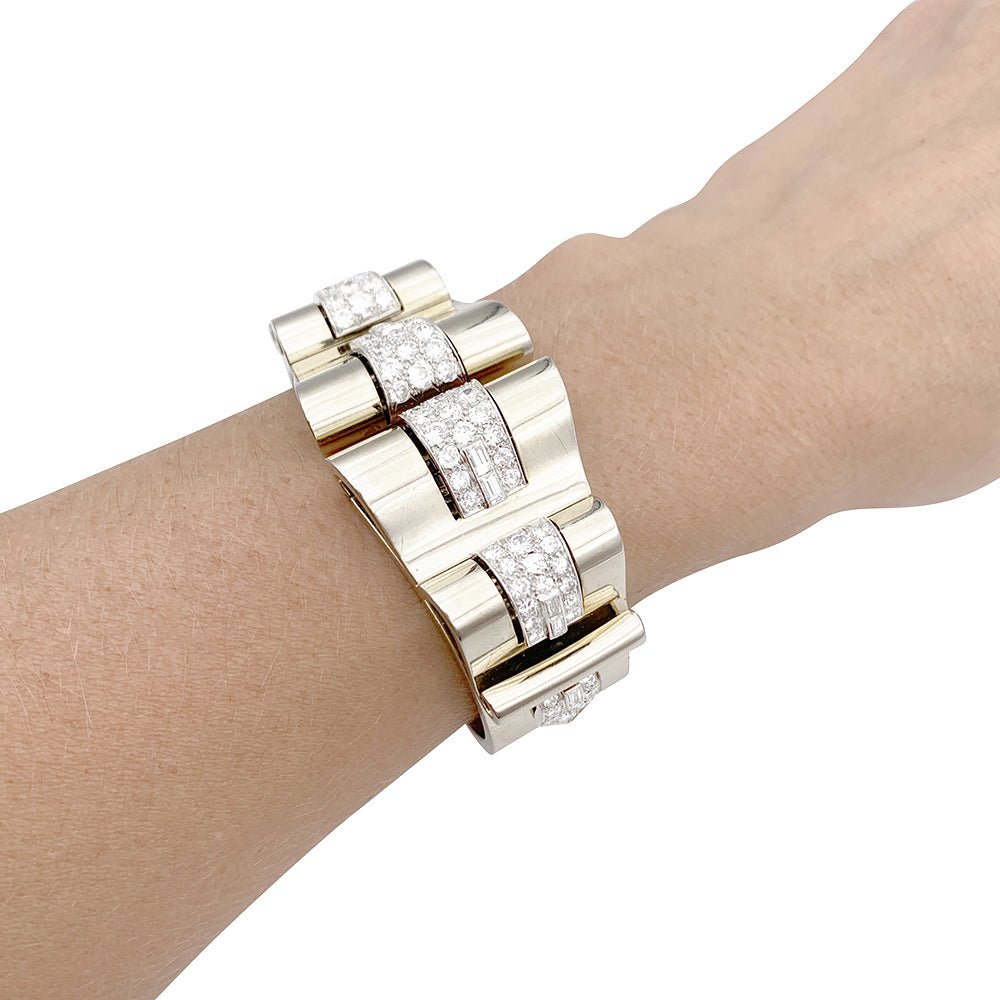
René Boivin 's creations are distinguished by their boldness : he departs from the classic sinuous lines of Art Nouveau and draws his inspiration from the Orient , Asia , and Antiquity . He favors bespoke commissions and does not hesitate to transform his clients' old jewelry into new, expressive , and powerfully structured pieces .
Hardware innovations
A pioneer in the use of novel material combinations , René Boivin blended gold with materials little used at the time, such as wood , rock crystal , and agate . He also valued so-called semi-precious stones—citrine, amethyst, topaz, aquamarine, lapis lazuli—which he incorporated into striking sculptural creations .

Jeanne Boivin and female emancipation
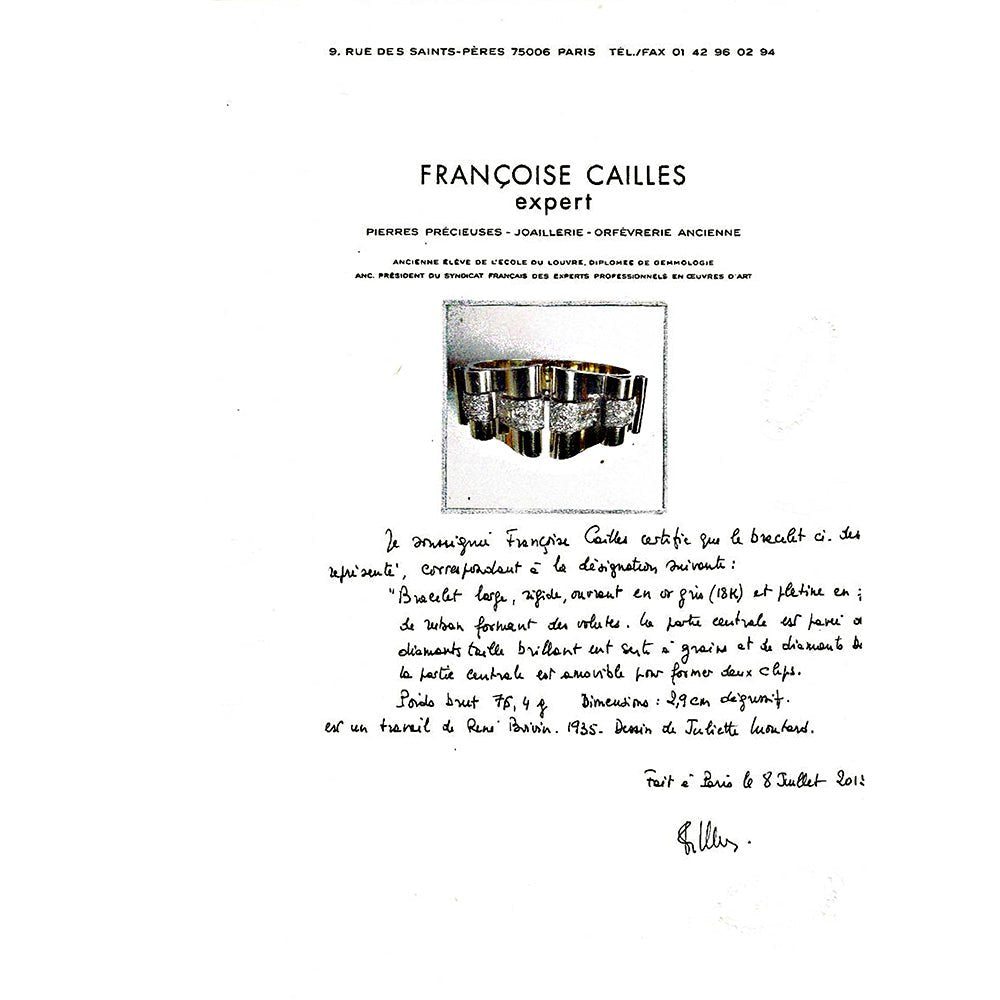
A feminist ahead of her time, Jeanne Boivin championed female talent in a world still dominated by men. She hired artists such as Juliette Moutard , known for her brooches featuring fish, shells, and floral motifs, as well as Suzanne Belperron , who joined the house in 1919 and became its artistic director in 1924. Belperron imposed a bold, sensual , and organic style , perfectly in tune with the modern woman of the 1930s .

Heritage and posterity
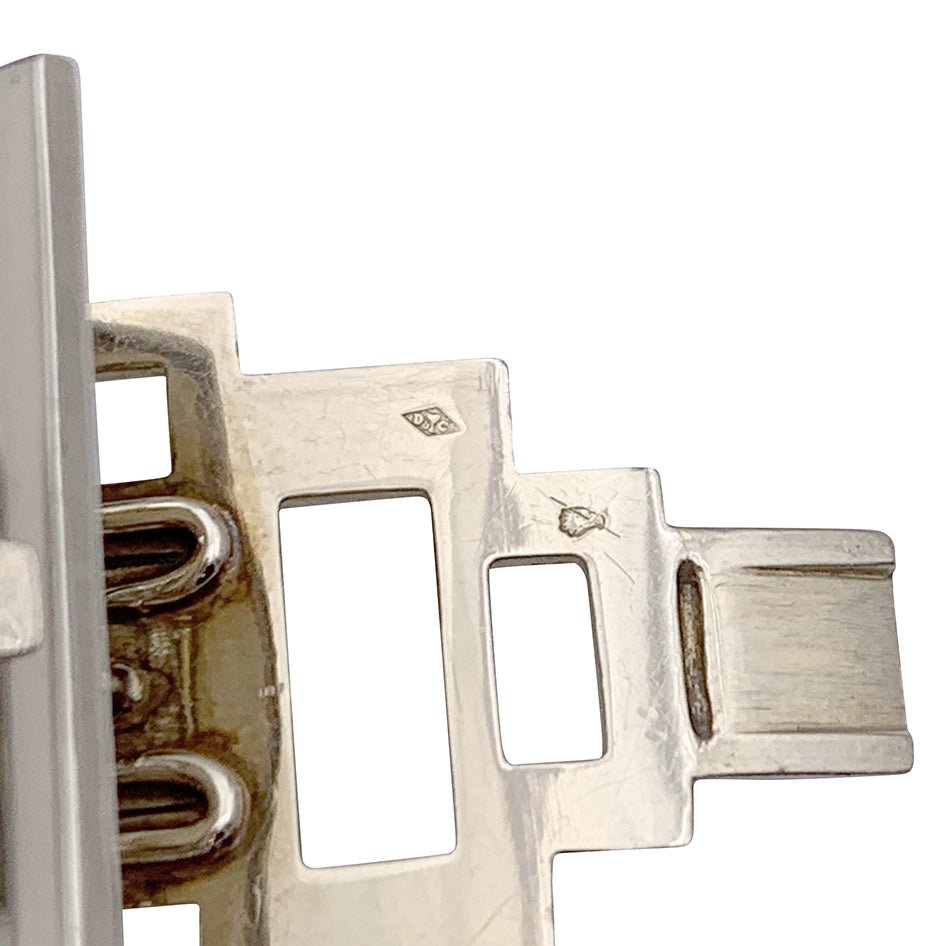
In 1991 , the René Boivin company was acquired by the London- based Asprey , which eventually closed it down a few years later. Today, Boivin jewelry — often unsigned by choice —is actively sought after by collectors and experts worldwide. Jeanne Boivin refused to have the company name engraved on her creations , believing that " a beautiful piece doesn't need a signature ." This choice further enhances the rarity , understated elegance , and legendary status of these exceptional pieces of jewelry.