


Tennis Bracelet
-
-
-
-
-
-
-
-
Sold out
-
-
-


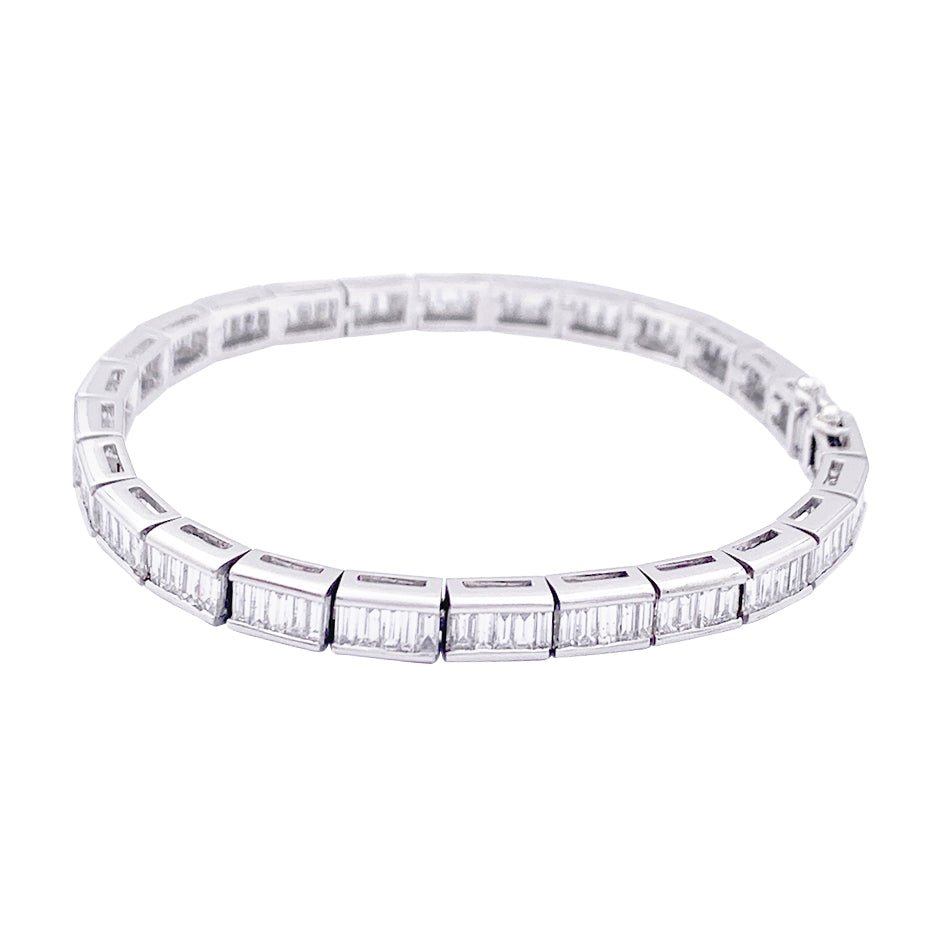
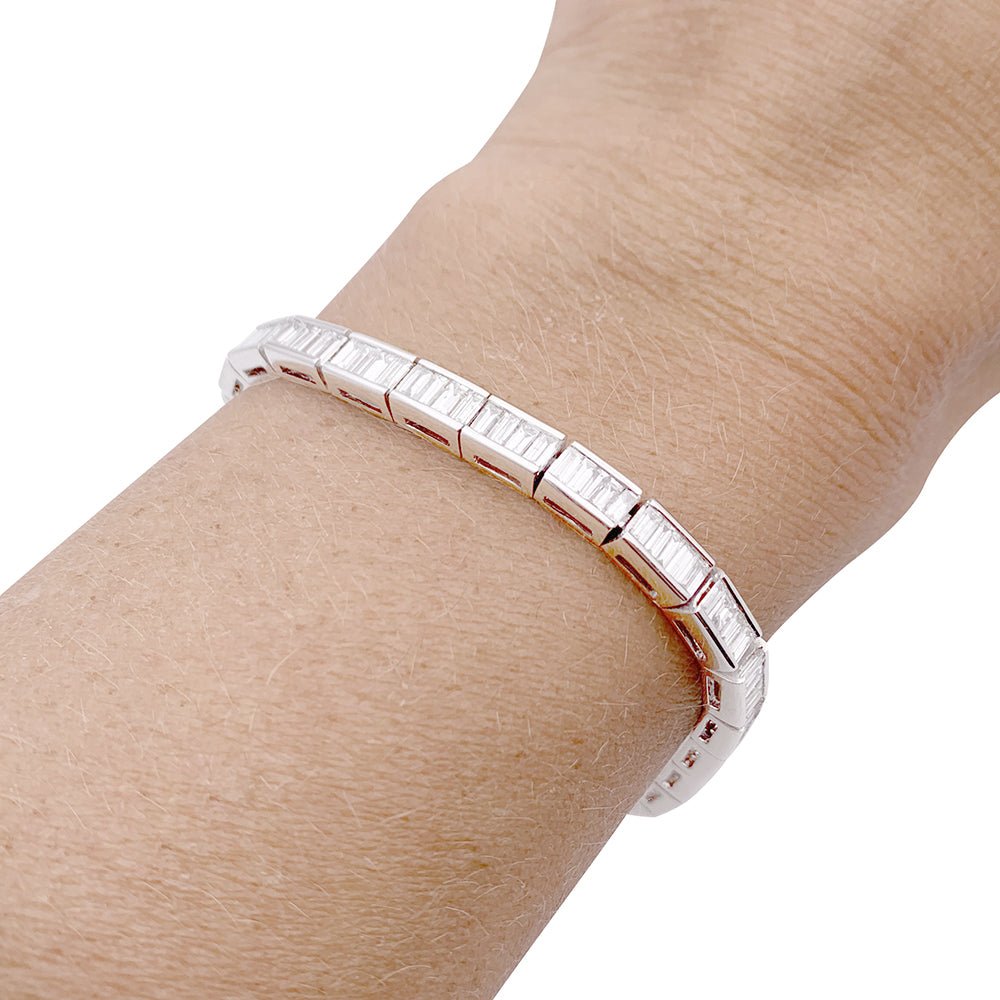
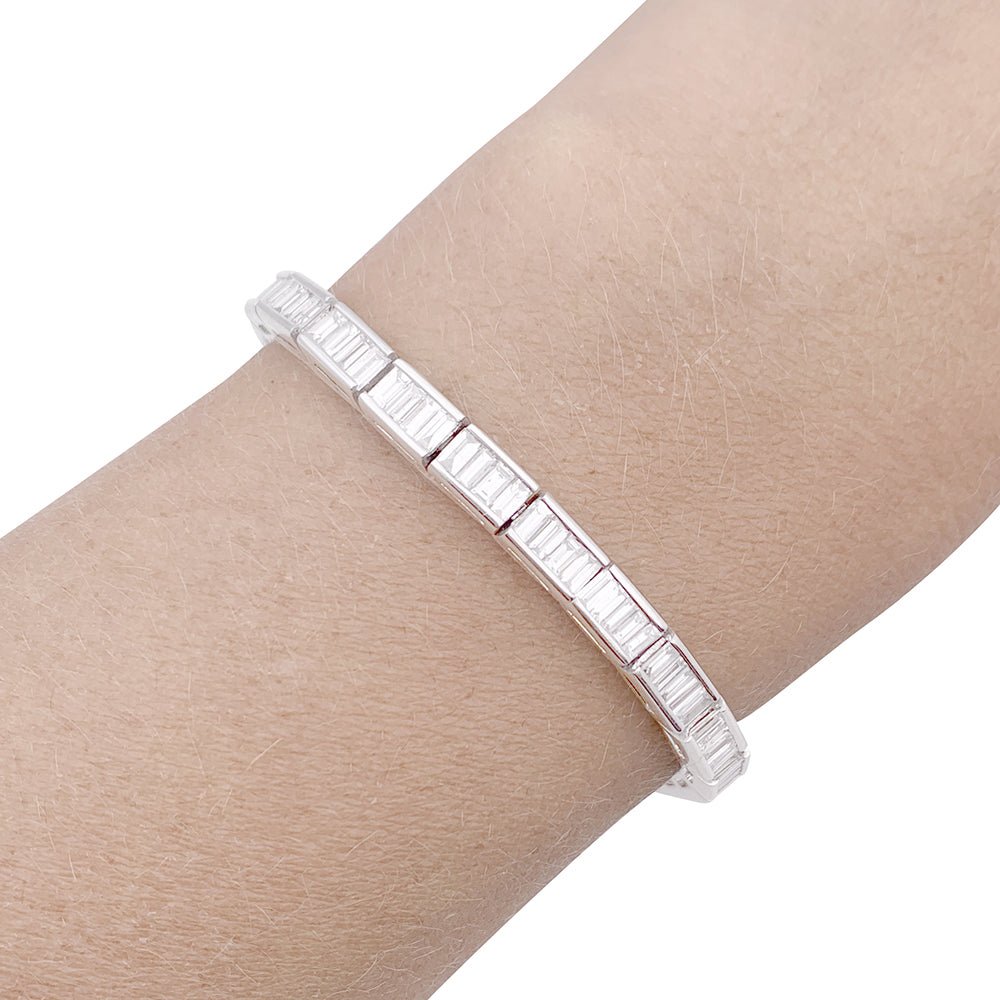
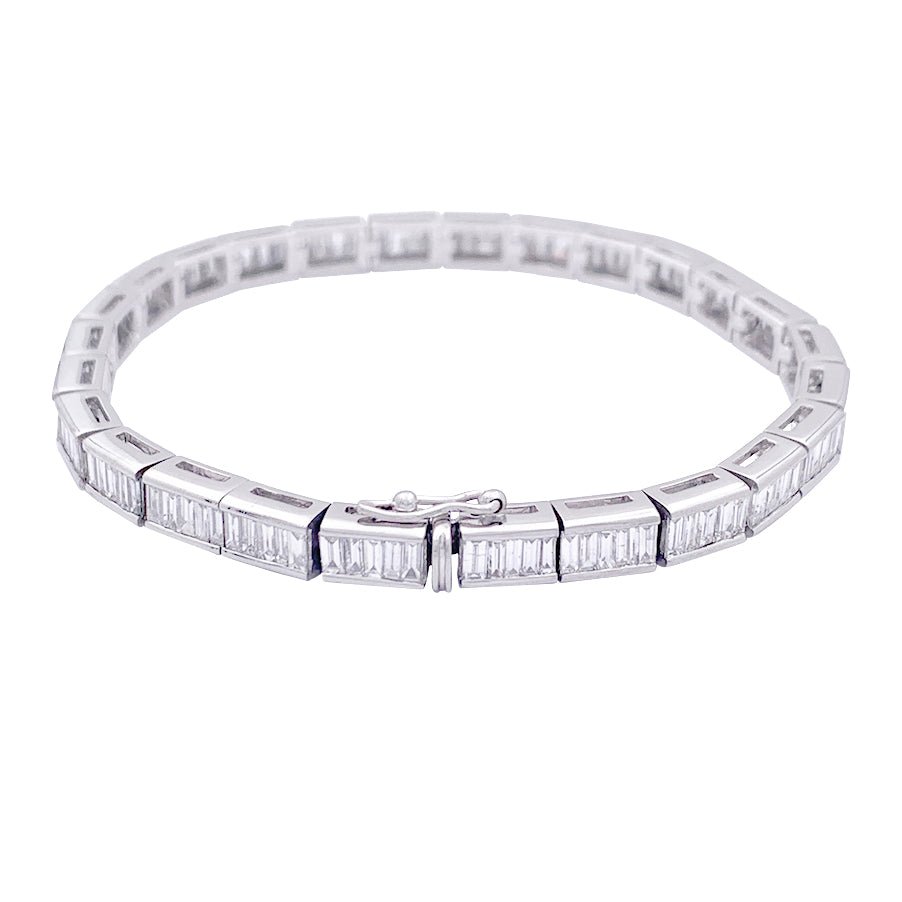
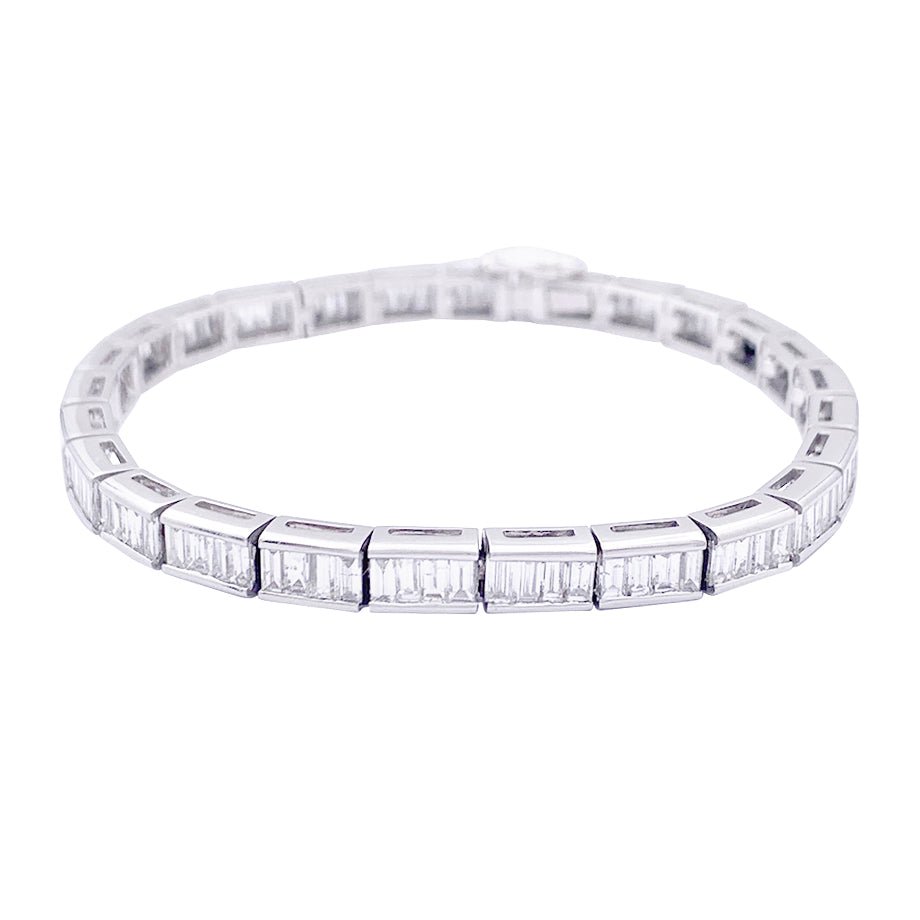
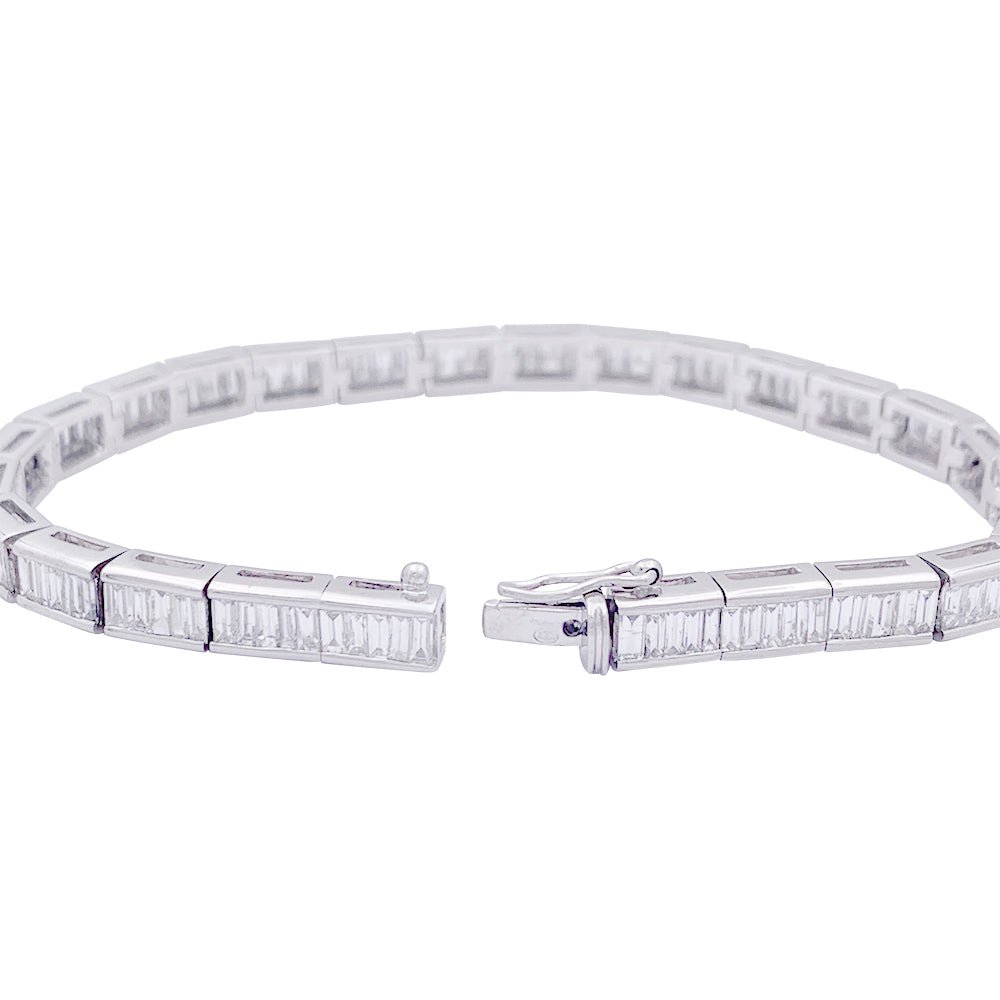
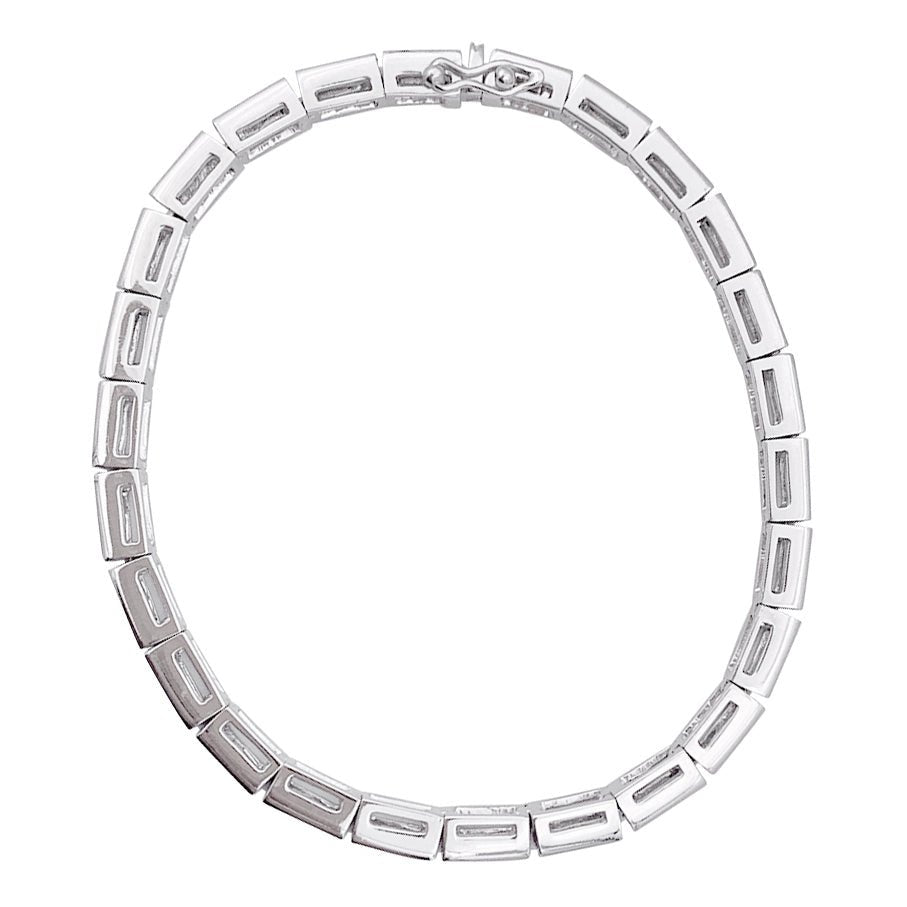

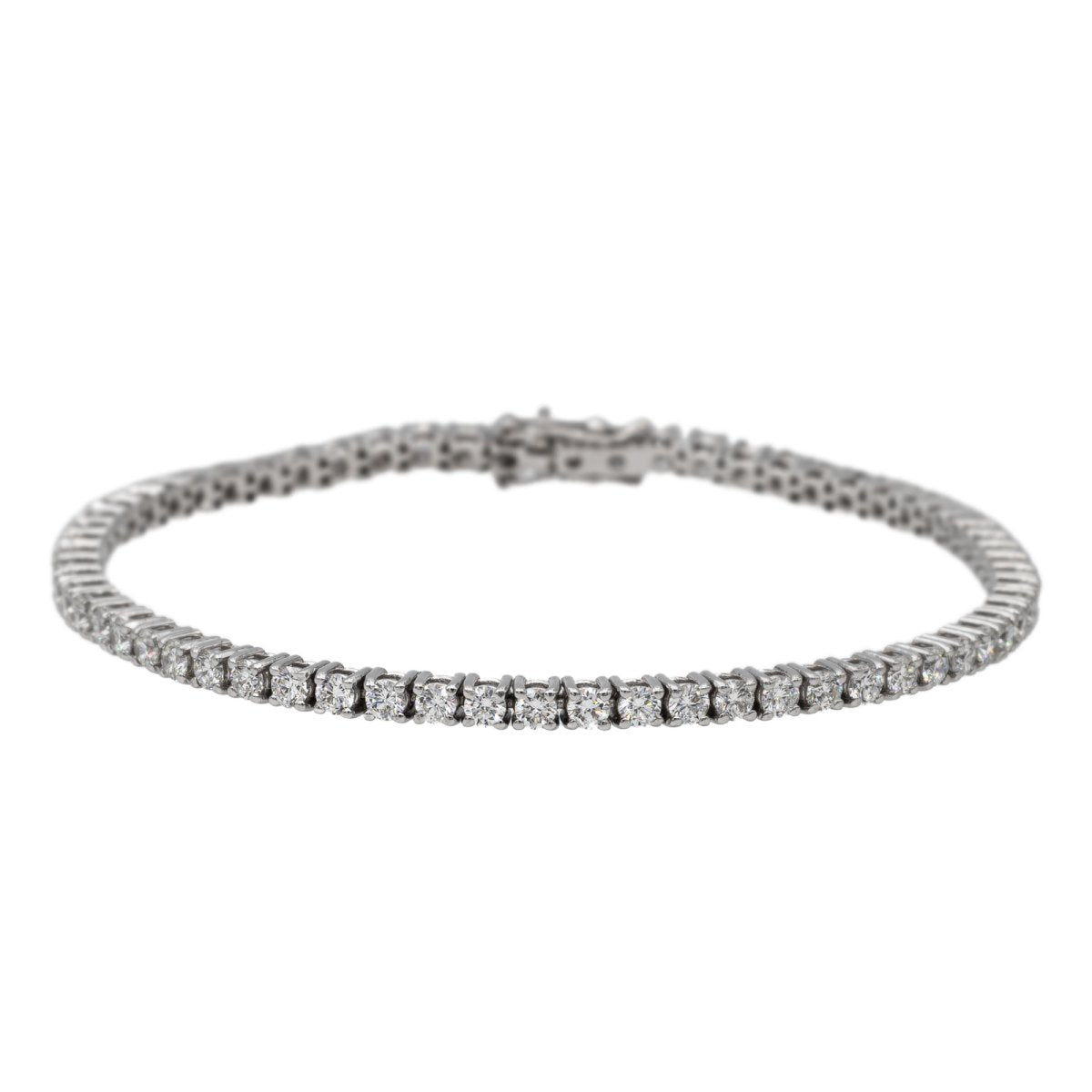
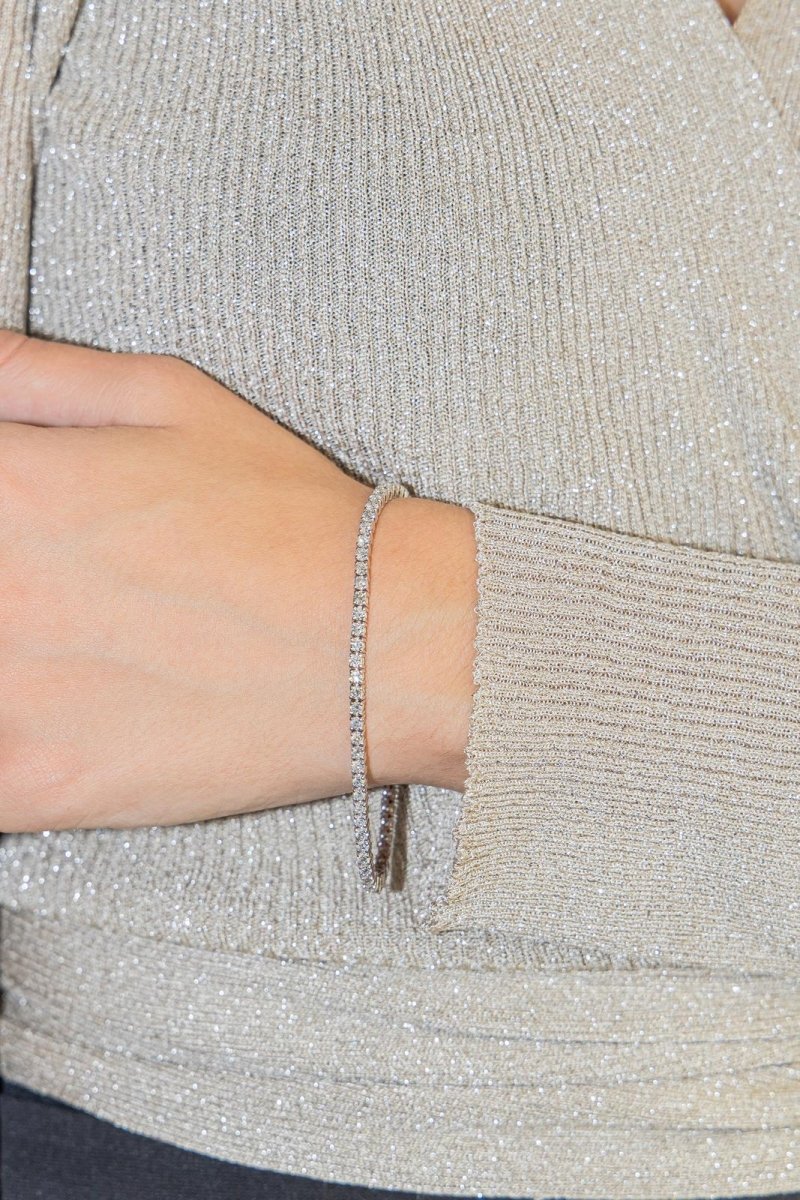
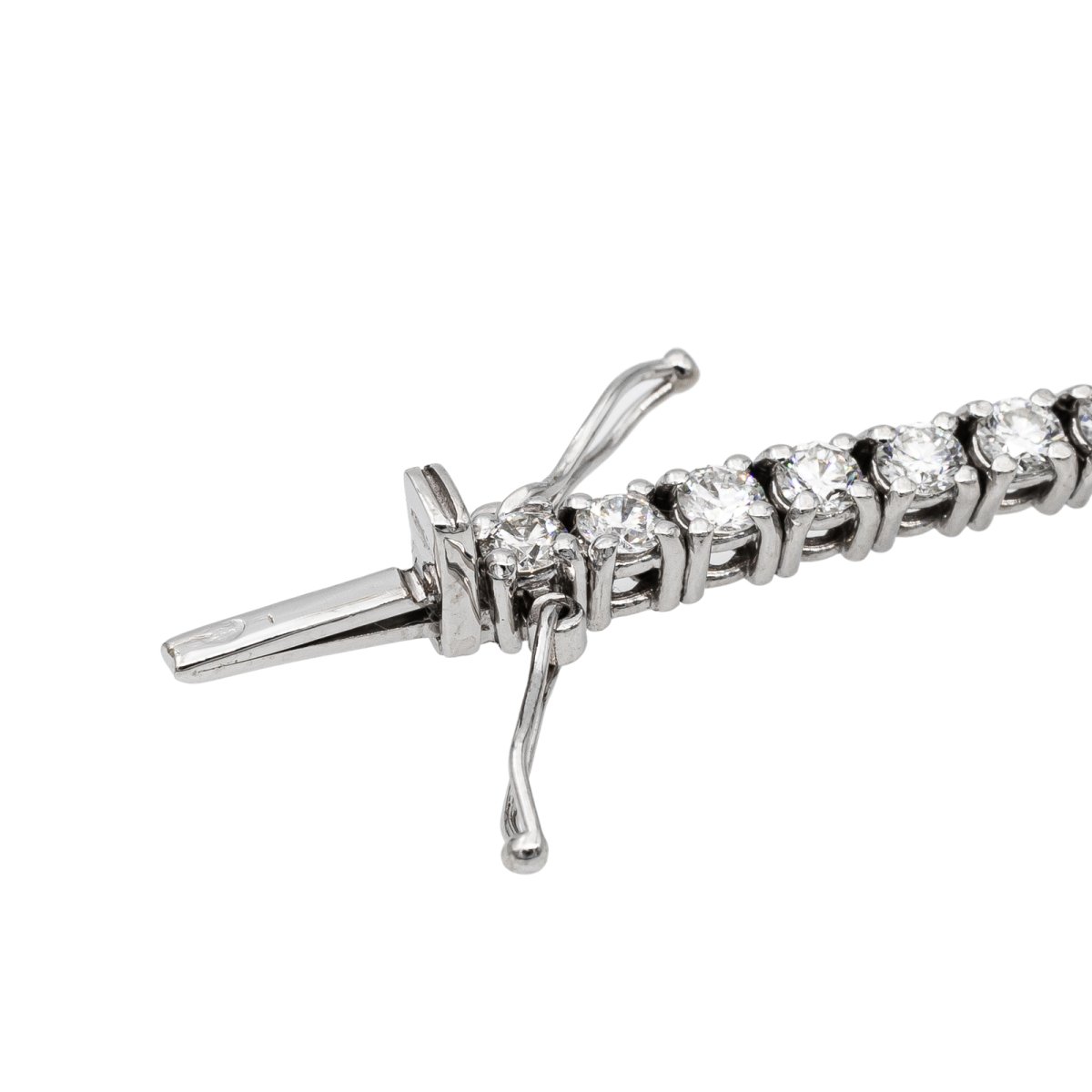
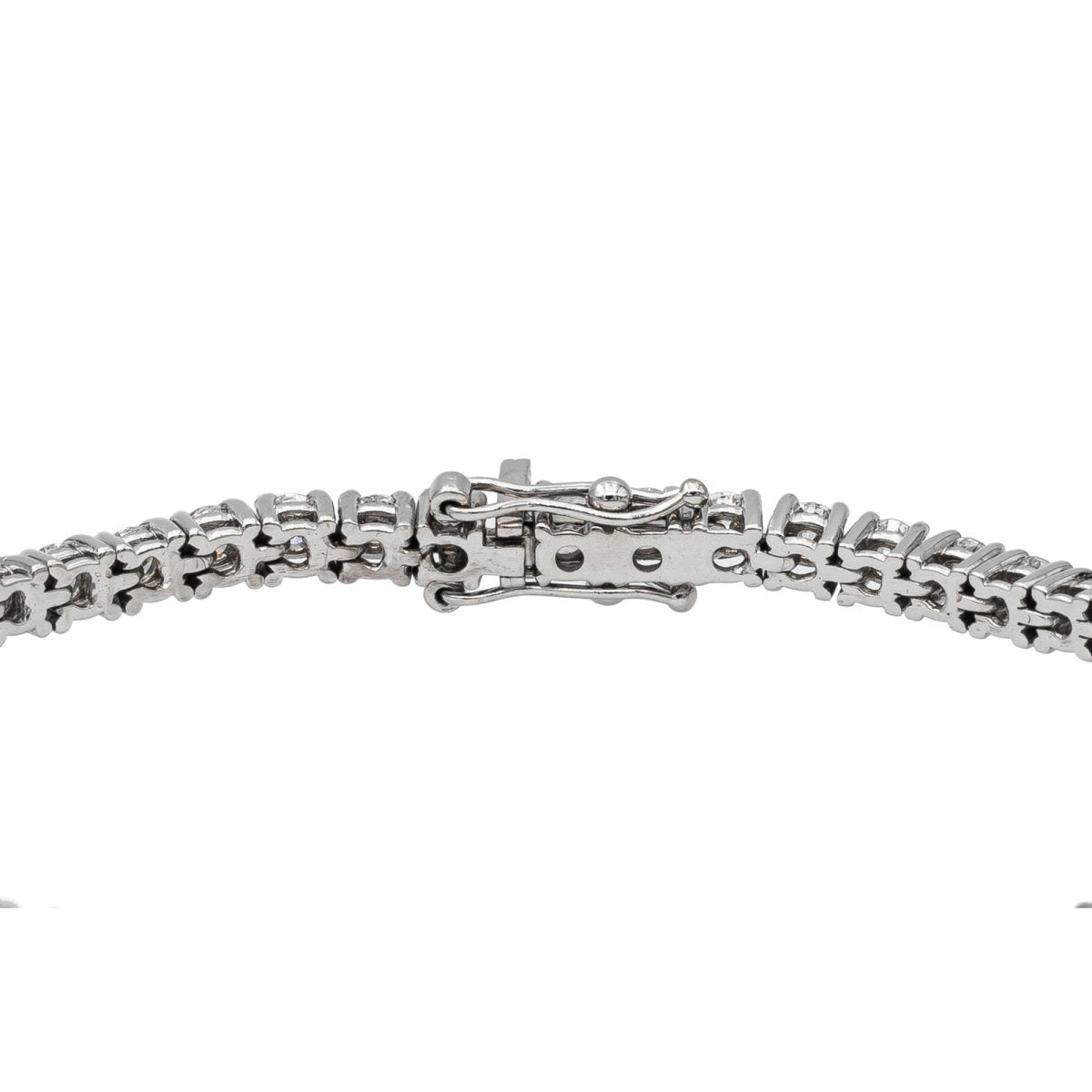
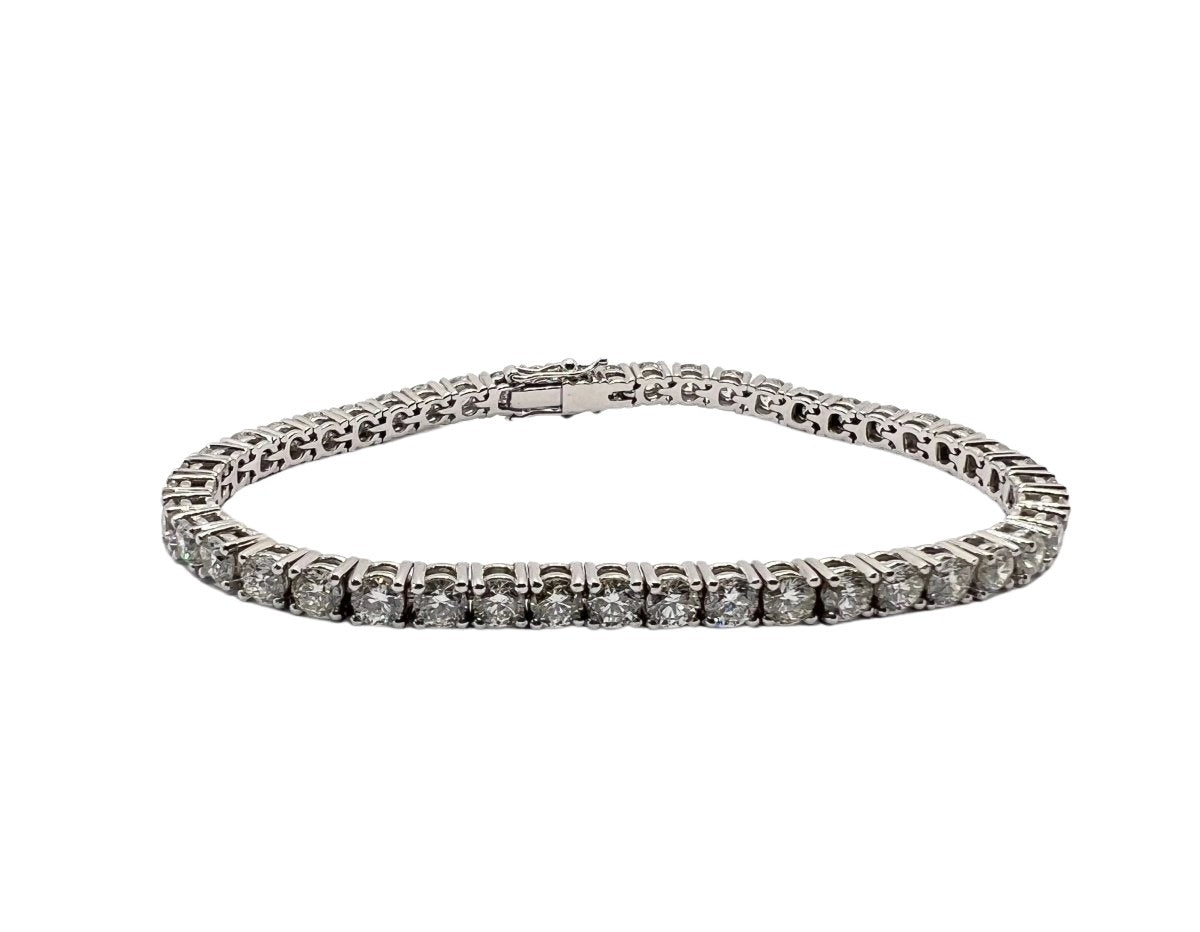
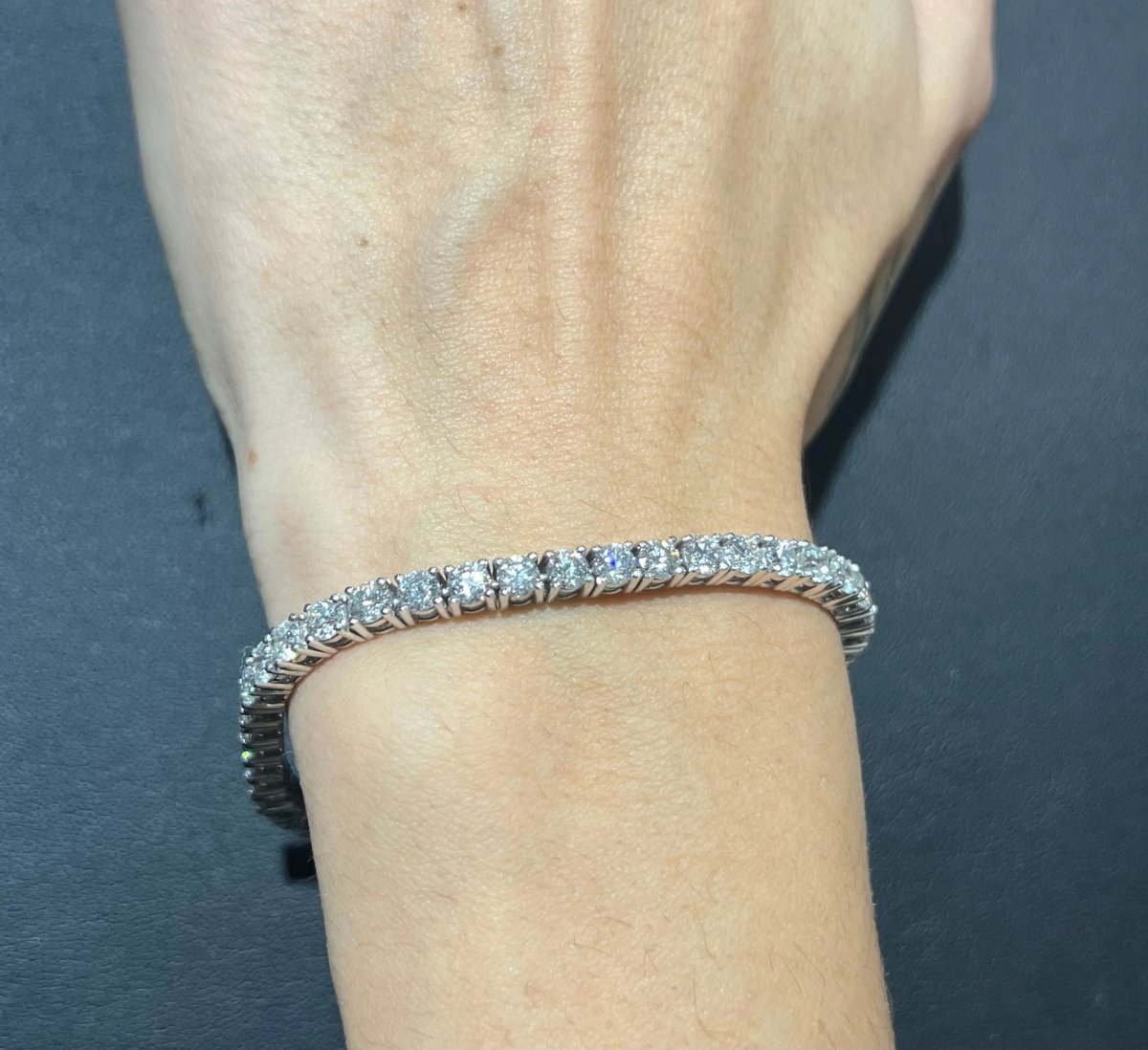
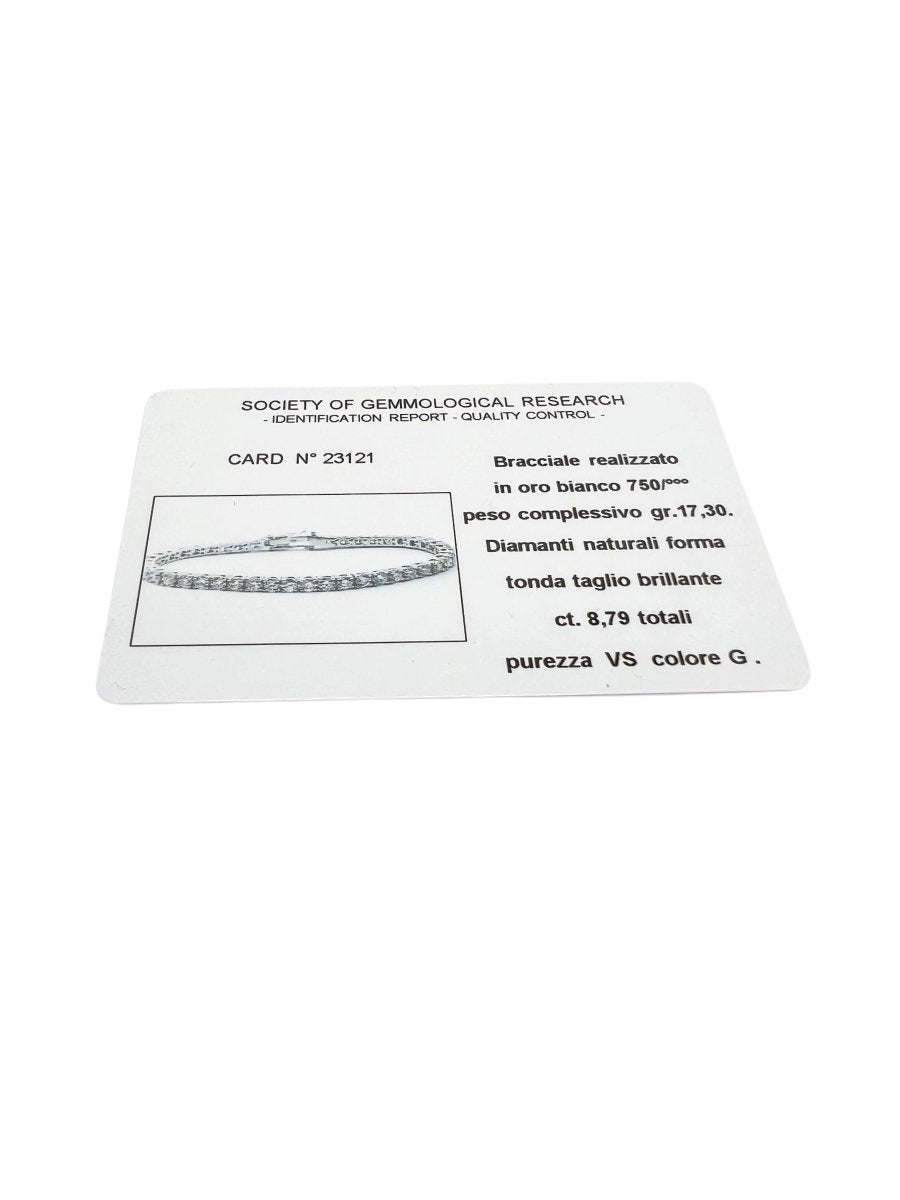
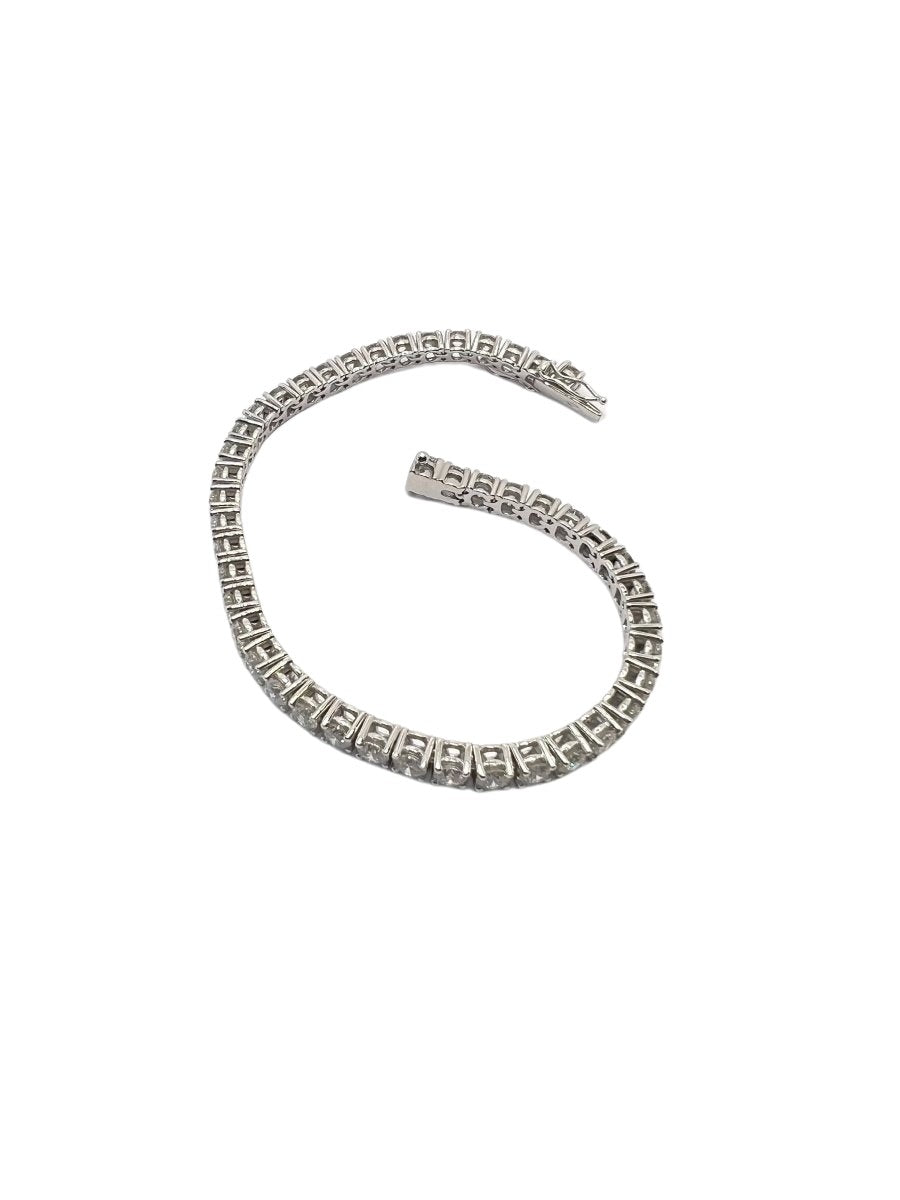
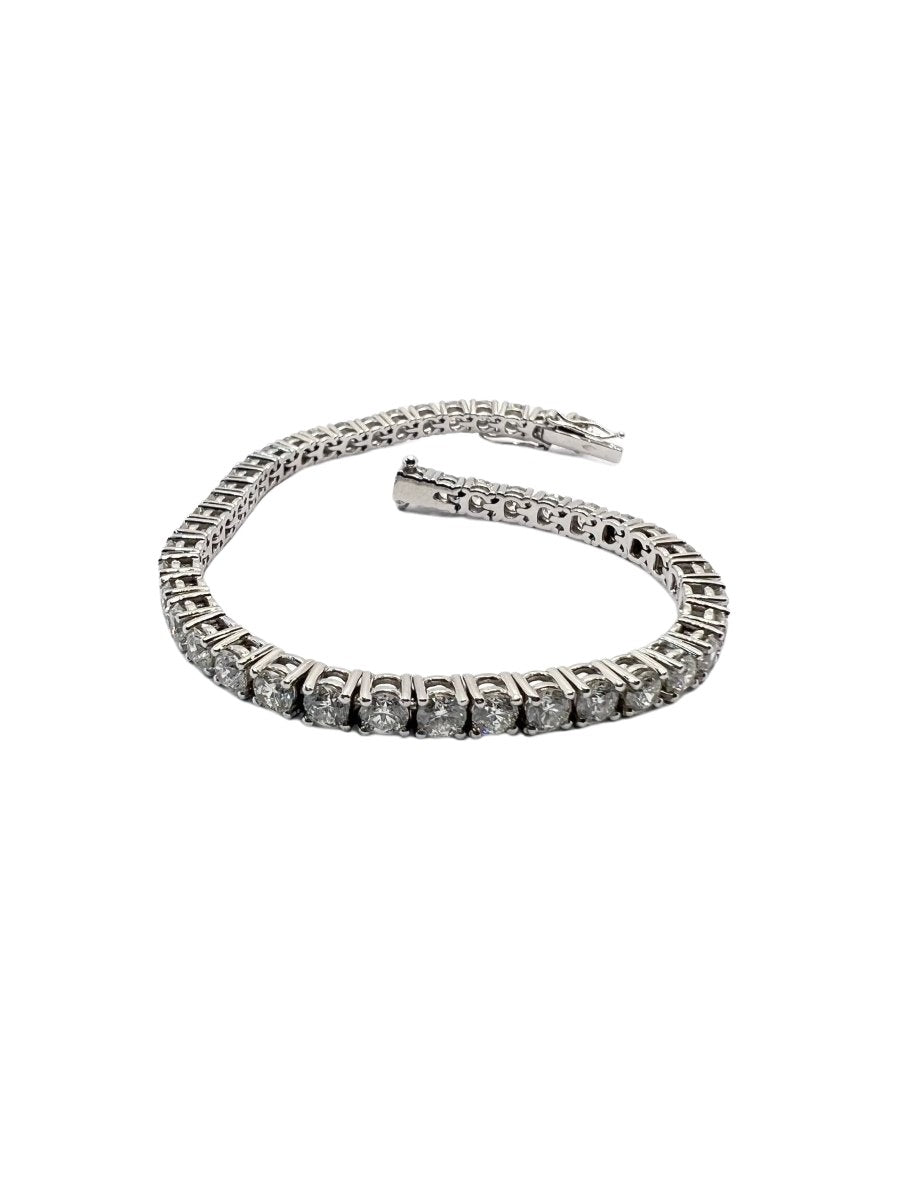


Tennis Bracelet: Rivers of Light on the Wrist
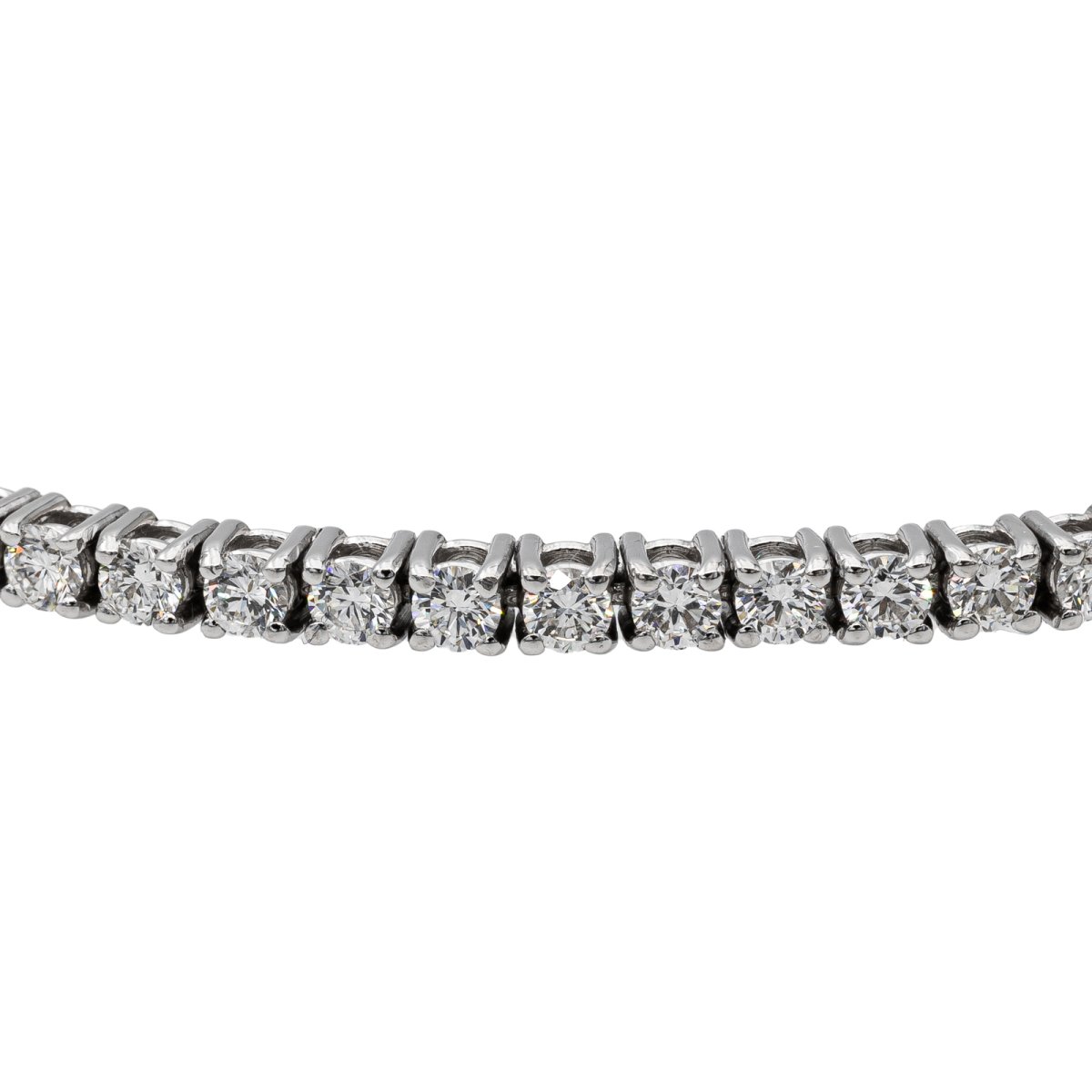
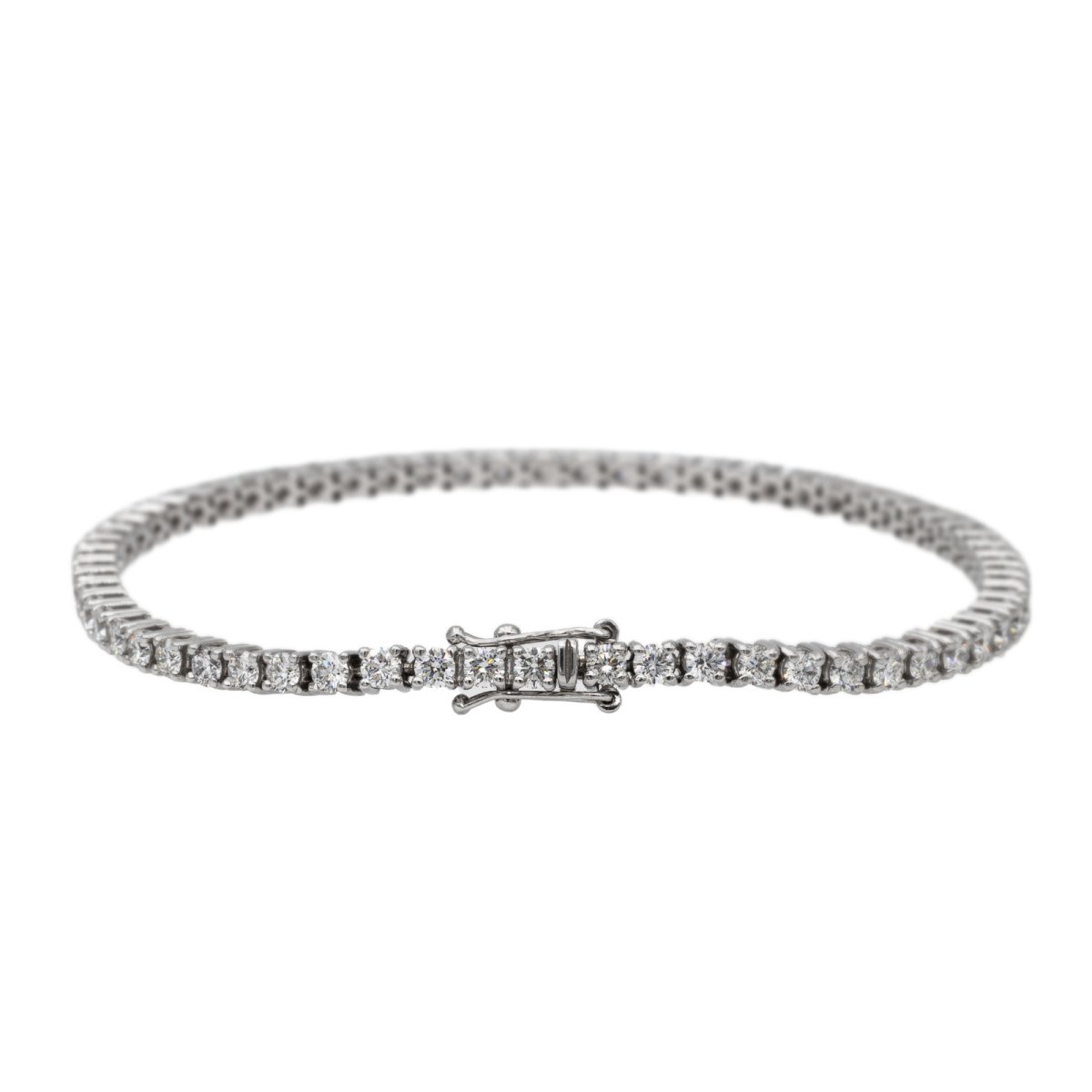
The tennis bracelet features an unbroken string of identical stones that encircle the wrist with a continuous sparkle. Originating in the 1920s as the rivière bracelet, this piece of jewelry reached its peak of popularity in 1987 when champion Chris Evert lost hers mid-match at the US Open. She paused the game to retrieve it, transforming this discreet piece into an iconic accessory known as the tennis bracelet.
Our selection at Castafiore brings together tennis bracelets from various eras and styles. Each piece undergoes a comprehensive authentication process conducted by our experts before being added to our online store. This in-depth assessment determines the individual price of each bracelet based on its quality, origin, and condition. Free delivery within France accompanies your purchase, ensuring you receive this exceptional piece of jewelry safely.
The evolution of a pure line through the decades
Tennis bracelets from the 1920s embody the Art Deco spirit with their generous proportions. These pieces favor large diamonds set apart by thin sections of platinum. This design creates a visual rhythm that complements the fringed dresses and boyish haircuts of the era. Platinum reigned supreme, the quintessential precious metal that enhanced the whiteness of brilliant-cut diamonds set with remarkable precision.
The 1950s marked a turning point towards perfect regularity. Bracelets adopted a strict uniformity with identical stones set in prongs along their entire length. White gold gradually replaced platinum for more accessible designs without sacrificing the characteristic elegance of these rivers of light. This period saw the birth of the tennis bracelet as we know it today, with its clean lines and enduring brilliance that transcends decades.
The 1970s embraced bold experimentation. Some designers alternated diamonds and colored stones to create multicolored rivière necklaces. These two-tone bracelets, combining sapphires and brilliant-cut diamonds, stood out radically from classic designs. Wearing one of these atypical pieces is a subtle reminder of a bygone era when jewelry explored freer territories. These motifs are no longer found today, making them perfect for adding a truly unique touch to any outfit.
Precious metals and historical variations
Platinum has adorned the most prestigious creations since the 1920s. This rare metal offers a natural whiteness that beautifully showcases the diamonds set along the entire length of the bracelet. Platinum and diamond tennis bracelets represent the pinnacle of jewelry refinement. Their presence on the wrist immediately conveys a timeless elegance that transcends generations. The claw setting, typical of these exceptional pieces, allows the stones to capture light from every angle.
White gold has dominated production since the 1950s. This alternative makes the tennis bracelet more accessible without sacrificing its sophisticated look. 18-karat white gold creations provide a luminous setting for diamond rivières. Rose gold has seen a resurgence in popularity since the 2000s, bringing a contemporary warmth to stone settings. Some vintage pieces combine several metals in a single design, alternating sections of white and rose gold to create a rare visual sophistication.
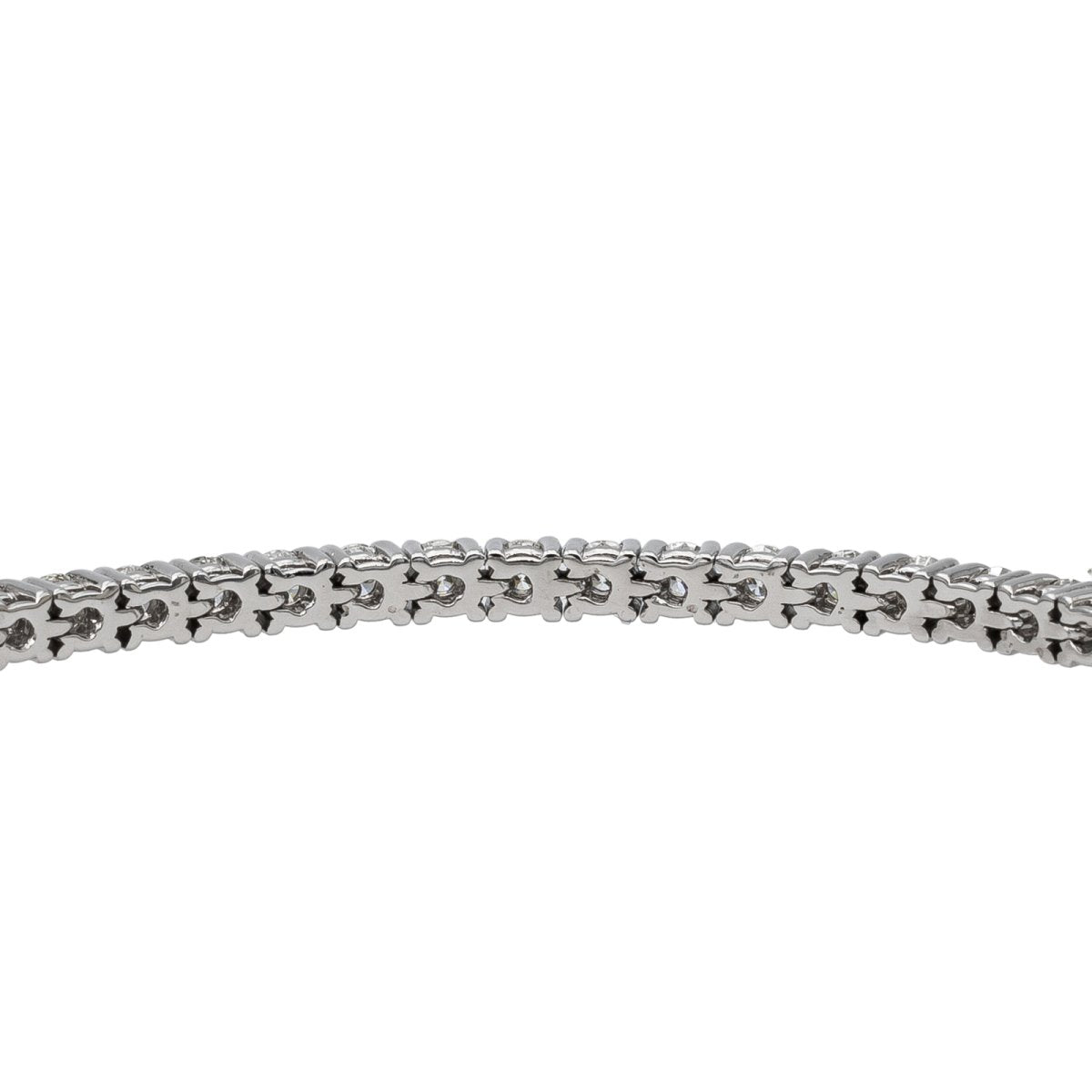
Sterling silver adorns some more accessible tennis bracelets without sacrificing elegance. These 925 silver creations, set with diamonds or zircons, offer an entry into the world of jeweled rivers. Tennis bangle bracelets represent a rigid variation that emerged in the 1960s. These open, semi-circular designs slip onto the wrist without a clasp. Diamonds run along the visible face while the interior remains smooth. These bangles possess an architectural presence that contrasts with the delicacy of flexible bracelets.
Choose according to the era and style
The brilliant cut has reigned supreme on tennis bracelets since its invention in the early 20th century. This cut maximizes the fire of each stone set in the bracelet. Diamonds typically range from 0.10 to 0.50 carats, depending on the design. A bracelet can total between 2 and 15 carats, depending on the size of the stones and its usual length. Vintage creations sometimes feature older cuts, such as the cushion cut, which lends an instantly recognizable retro charm.
Tennis bracelets from the 1930s are distinguished by their Art Deco elegance. These pieces play on the contrasts between metal and gemstones to create sophisticated geometric effects. Bezel settings appear on some models from this era, offering optimal protection for the diamonds while creating a different visual effect than the usual prong setting. The 1960s saw the emergence of bolder designs that combined diamonds and colored gemstones.
The standard length ranges from 17 to 19 centimeters for comfortable wear. Vintage models sometimes feature atypical dimensions that reflect the fashions of their time. A bracelet from the 1930s might measure 15 centimeters for a closer fit against the skin, like a rigid bangle. These dimensional variations demonstrate the evolution of aesthetic standards over the decades and the geographical origin of the pieces.
Castafiore jewelry heritage and expertise
Our experts examine each tennis bracelet to certify its authenticity and determine its value. This in-depth analysis considers the quality of the set diamonds, the type of metal used, the period of creation, and the condition. The selling price is a direct result of this rigorous appraisal, guaranteeing a fair and transparent valuation. This method allows access to exceptional pieces at prices consistent with their true quality.
Our shop offers tennis bracelets from a variety of origins. Some pieces come from renowned Parisian jewelry houses of the 1950s, while others are from independent designers who made their mark in the 1970s. The French origin of many bracelets guarantees internationally recognized jewelry craftsmanship. This diversity offers a wide selection to help you find the bracelet that matches your style. Each product has a detailed description specifying the total carat weight, the type of metal, and the period of creation.
At Castafiore, pre-owned jewelry is guaranteed to be authentic. Our experts verify hallmarks, analyze set diamonds, and certify the origin of each bracelet. This meticulous approach ensures a confident purchase. Our boutique regularly updates its selection based on new arrivals, offering rare pieces no longer found in contemporary collections. An authentic diamond rivière will grace your wrist for decades to come, whether set in white gold, platinum, rose gold, or sterling silver.