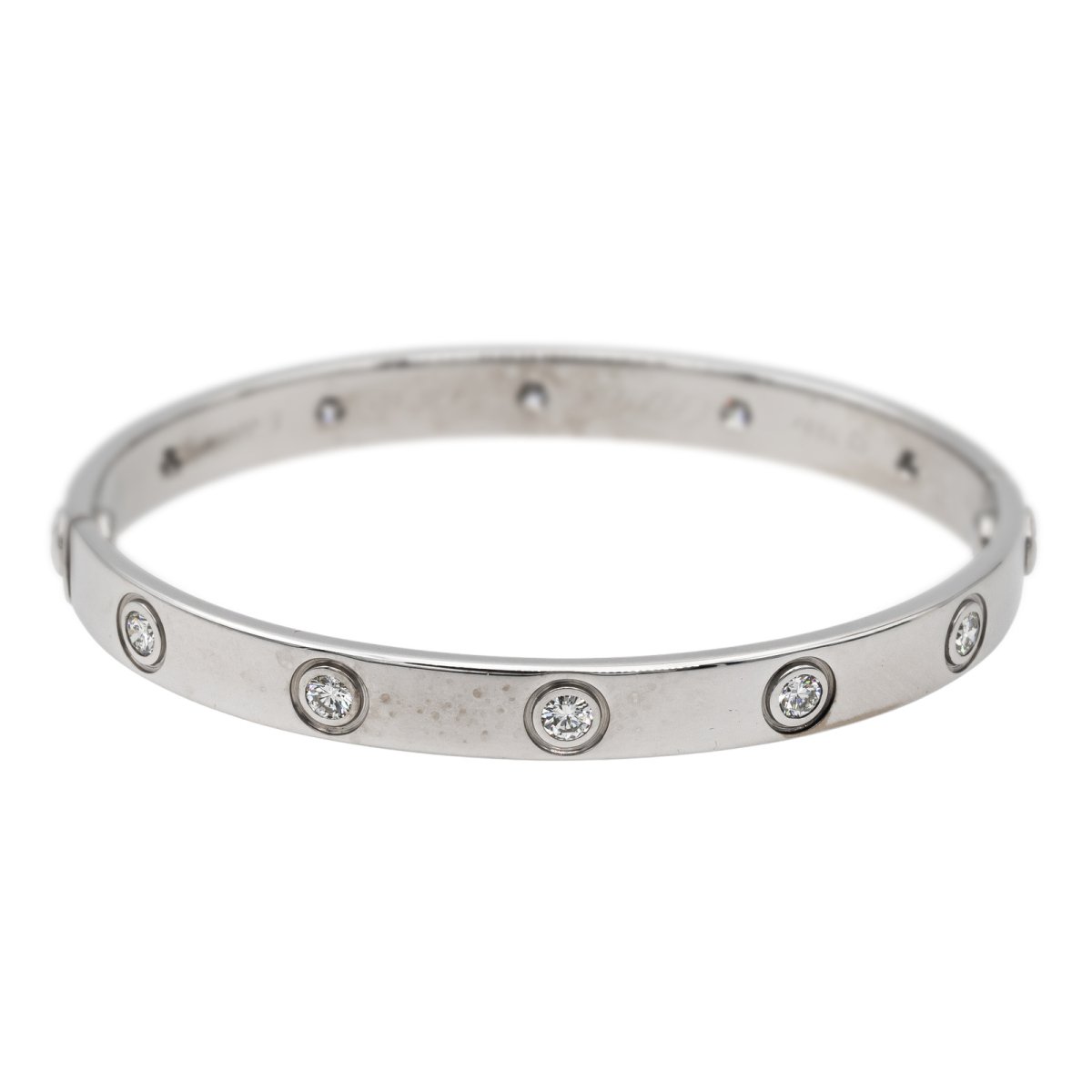
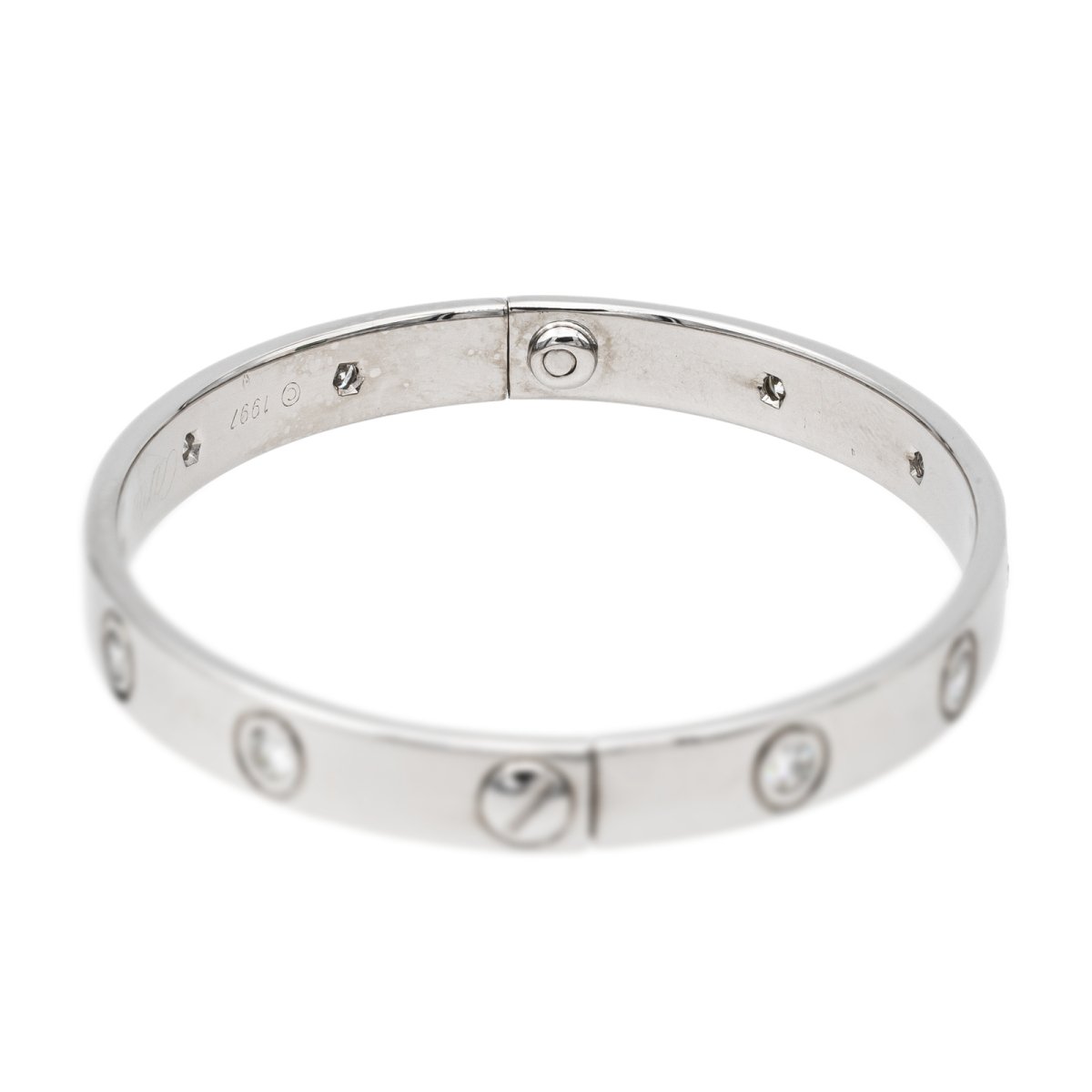
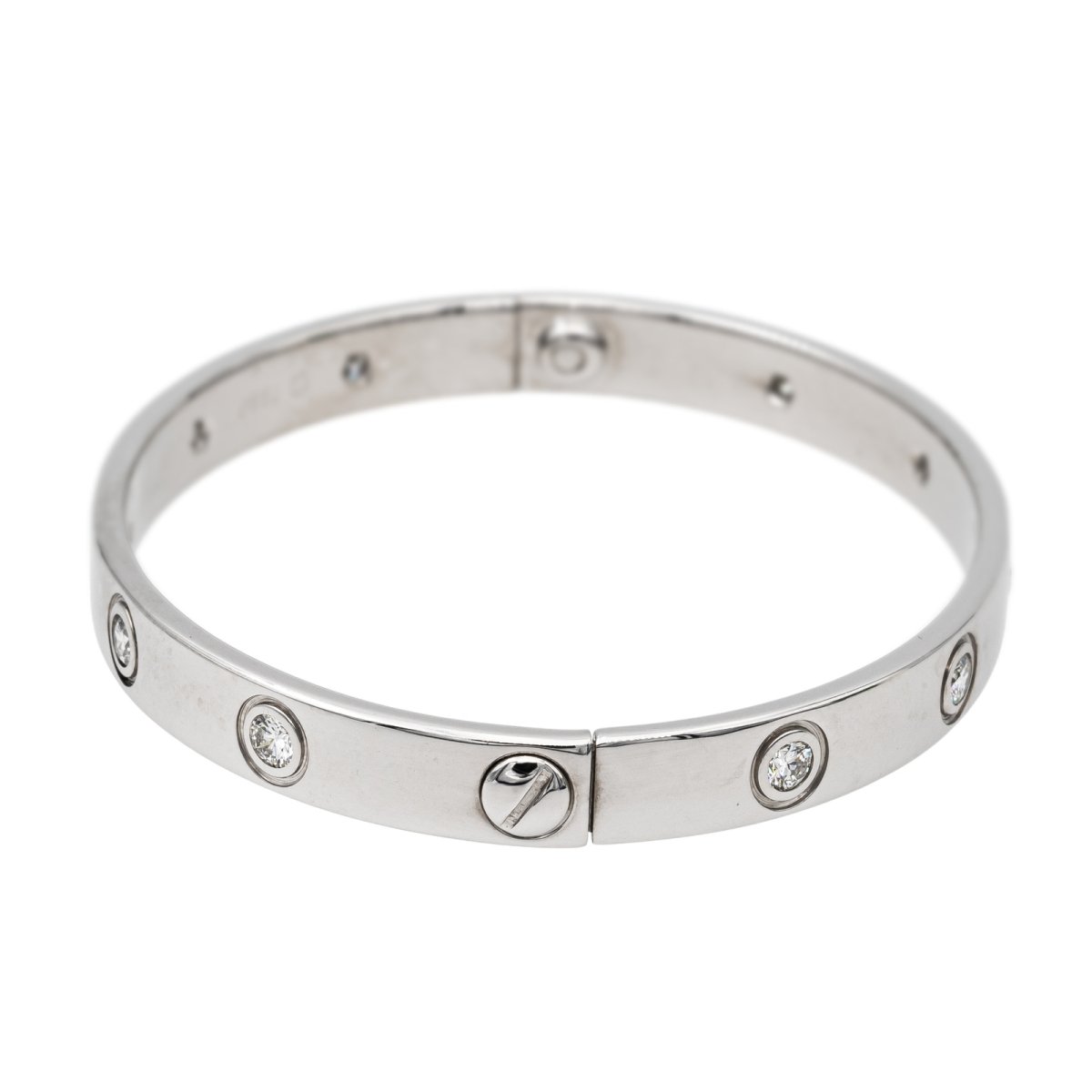
The Cartier Love bracelet: symbol of eternal love
The birth of a contemporary symbol of love
It all started in 1969 , when Aldo Cipullo , an Italian-American designer with a broken heart, designed these " modern love handcuffs ": a minimalist design bracelet called Love .
Origins and inspiration of the design
Born in Naples in 1935, Cipullo grew up in Rome before moving to New York , where he briefly worked forTiffany & Co before joining Cartier .
To create this piece of jewelry, Cipullo drew inspiration from the Middle Ages , and more specifically from the chastity belt . By reinterpreting this object, which once symbolized purity and fidelity , Cipullo created a modern jewel expressing fidelity within a couple. He wanted to design a piece of jewelry that one does not remove at the end of the day, a symbol of enduring commitment .

Functionality and symbolism
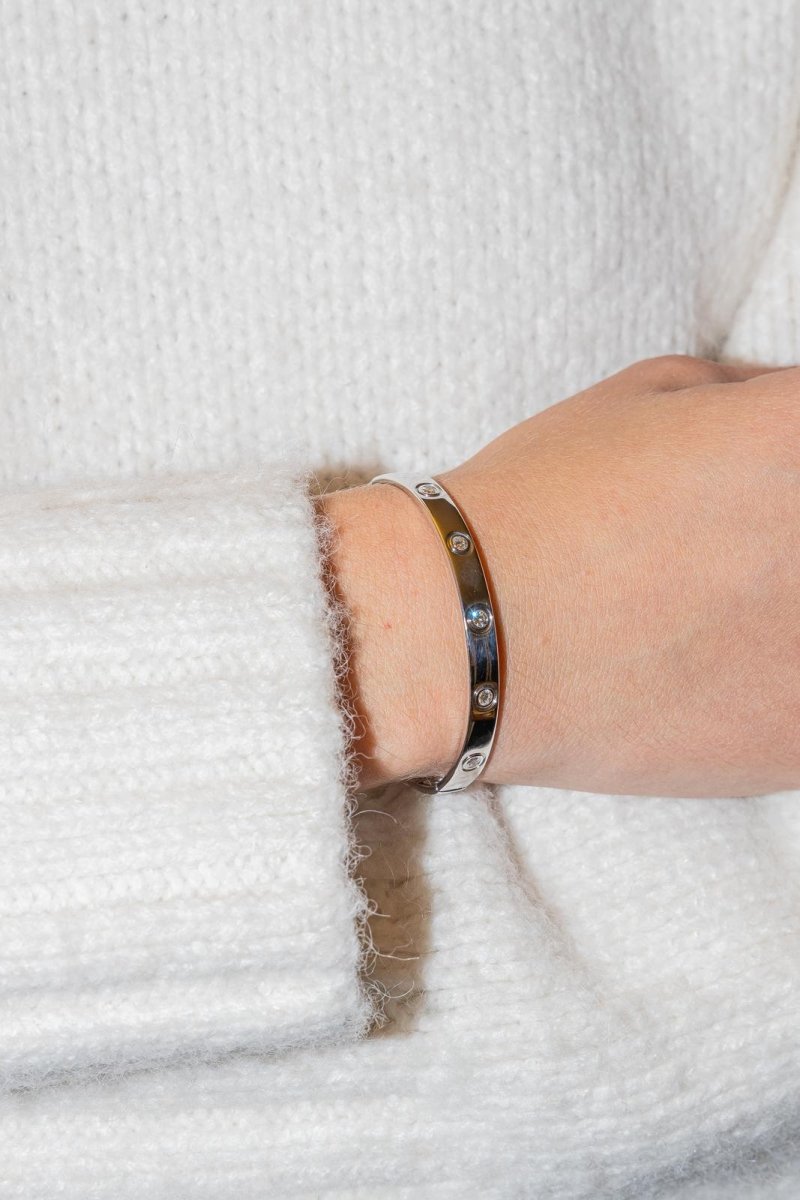
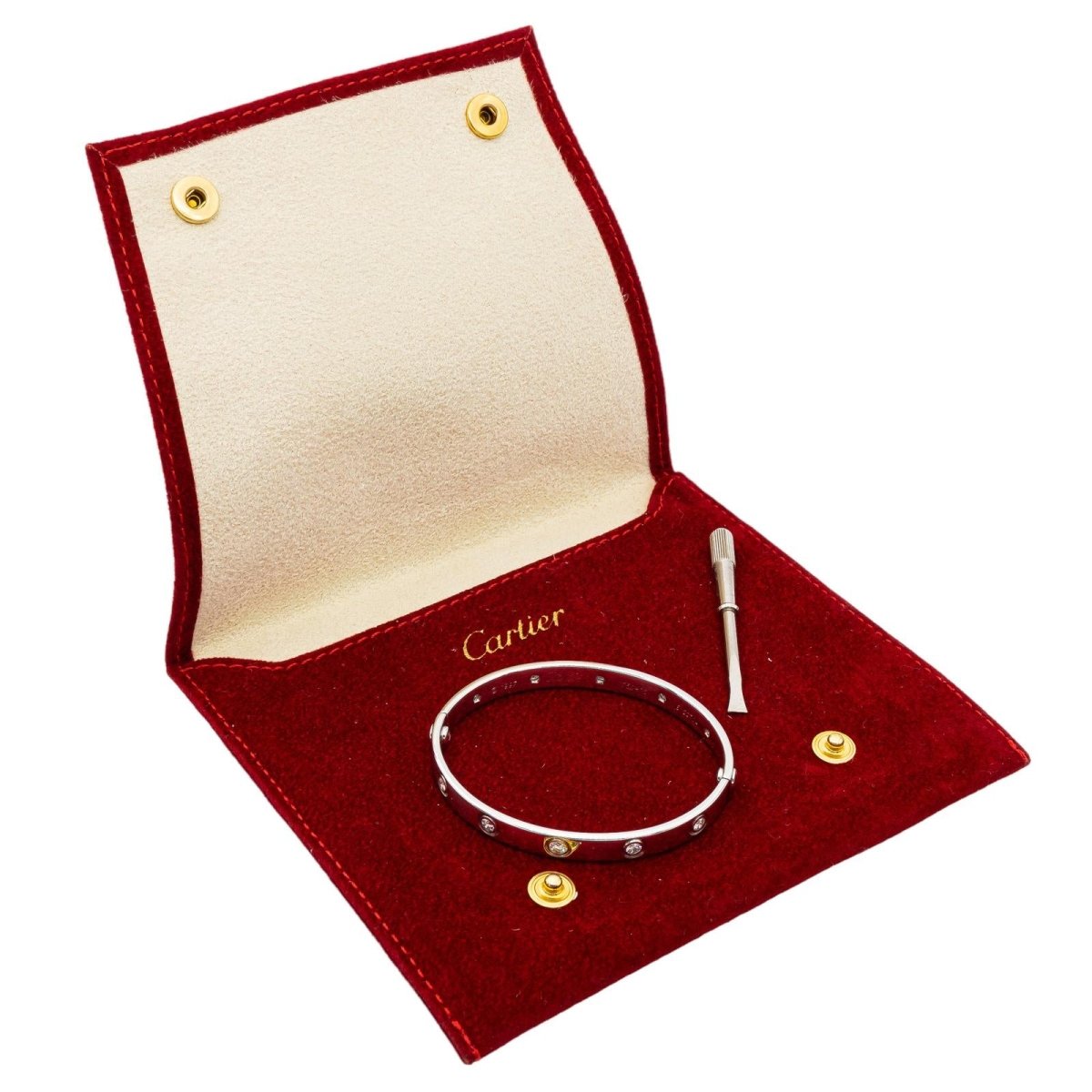
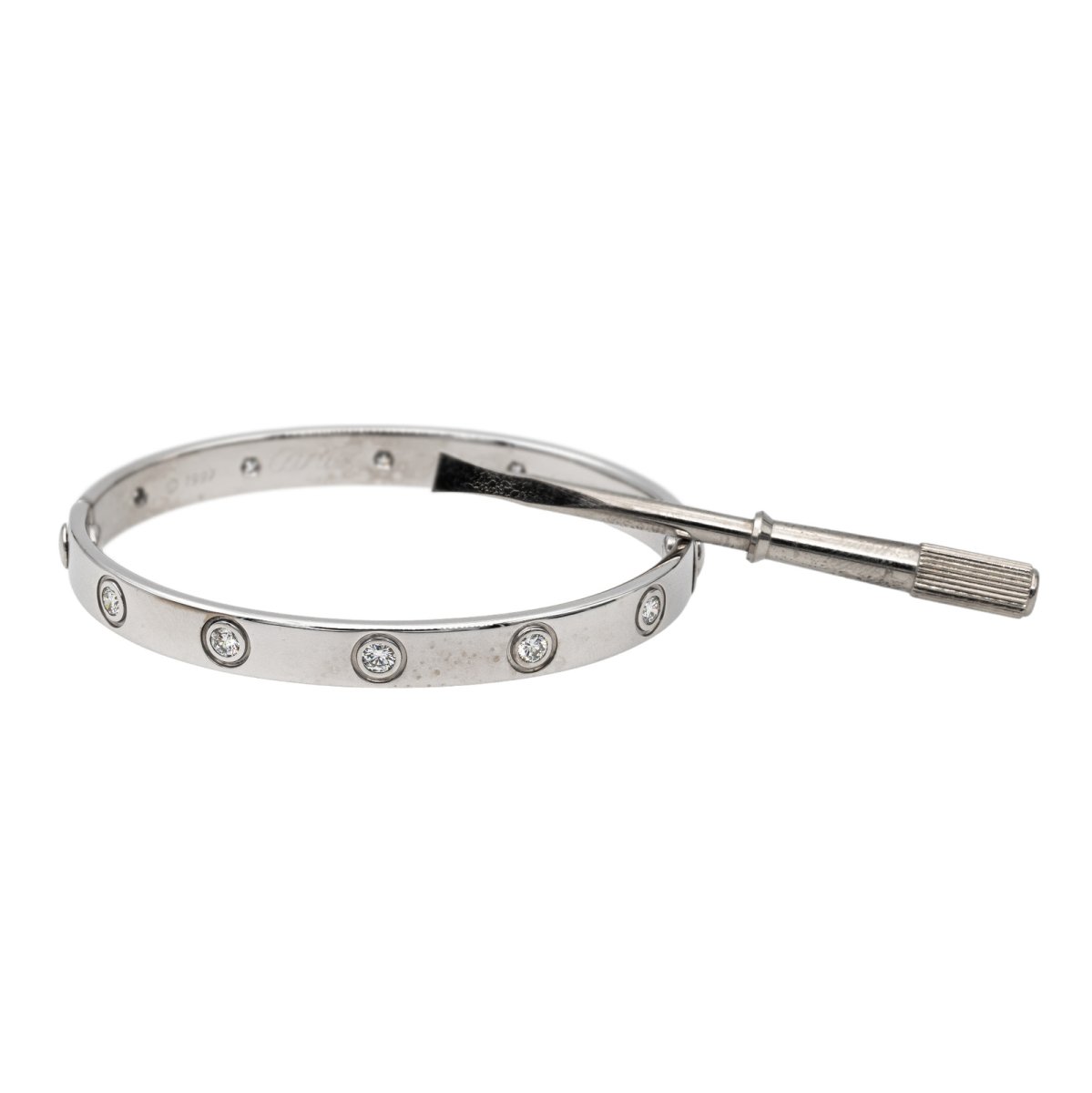
A symbol of eternal love , the bracelet, once fastened, can only be removed with a screwdriver . The screw-lock system, designed as a gesture for two , reinforced the idea of an emotional bond .
Design Journey
Aldo initially submitted his design to Tiffany & Co. , where he worked, but was rejected . He then left the company and turned to Cartier . The first model was marketed in gold-plated silver for approximately $250 , before being offered exclusively in solid 18-karat gold .
Broadcasting and celebrities
To mark the launch of the collection, Cartier sent the bracelet to 25 of the most iconic couples of the time , including the Duke and Duchess of Windsor , as well as Richard Burton and Elizabeth Taylor . Sophia Loren and Carlo Ponti, Ali MacGraw and Steve McQueen, and Nancy and Frank Sinatra were also among the first recipients.
Elizabeth Taylor greatly contributed to the bracelet's fame , wearing it at Marie-Hélène de Rothschild's Proust Ball in 1971 , in the film Une belle tigresse (1972) and on the set of Under Milk Wood (1972).

Evolution and expansions of the collection
In 1978 , the Love bracelet was adapted into a ring . The collection quickly expanded to include earrings , pendants and necklaces .
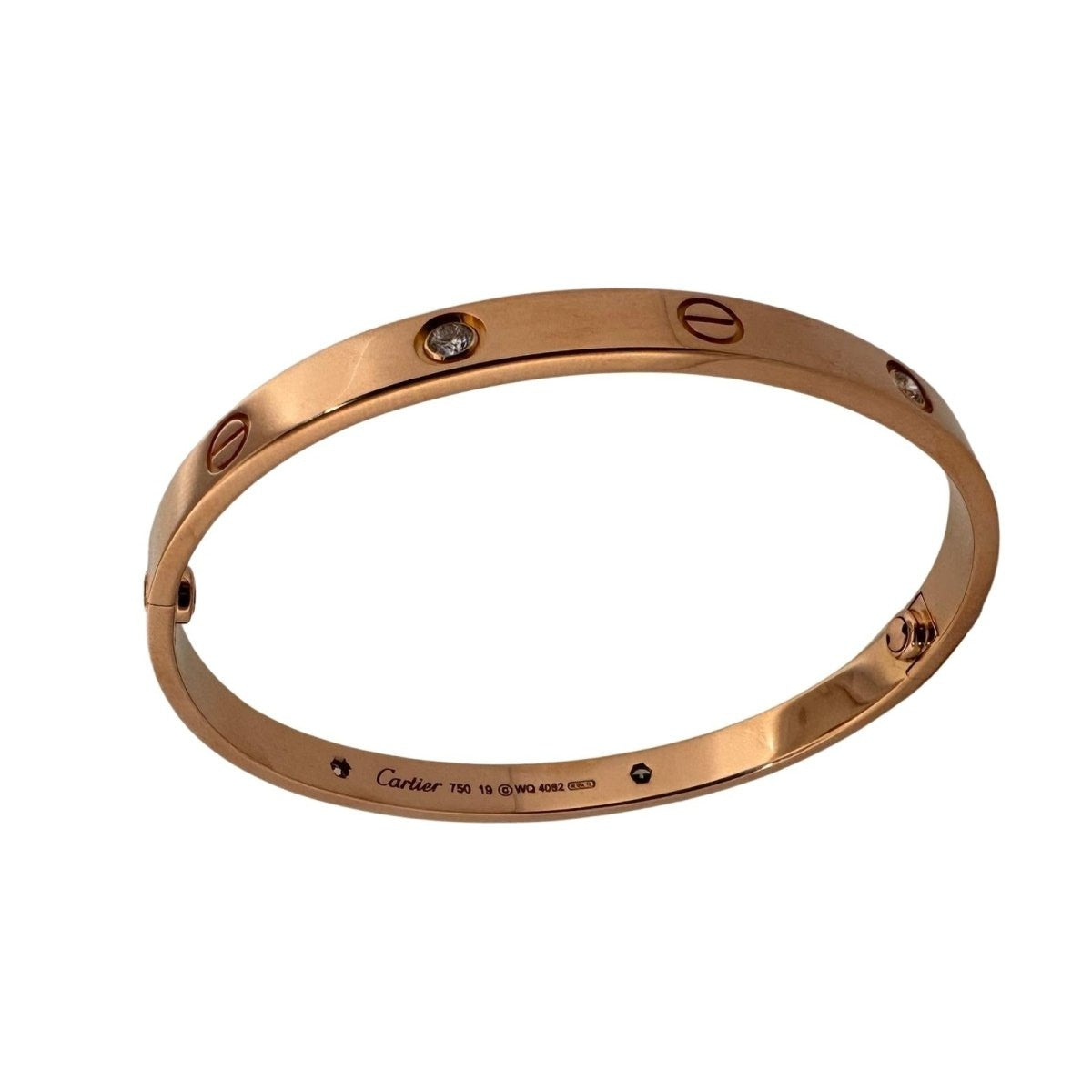
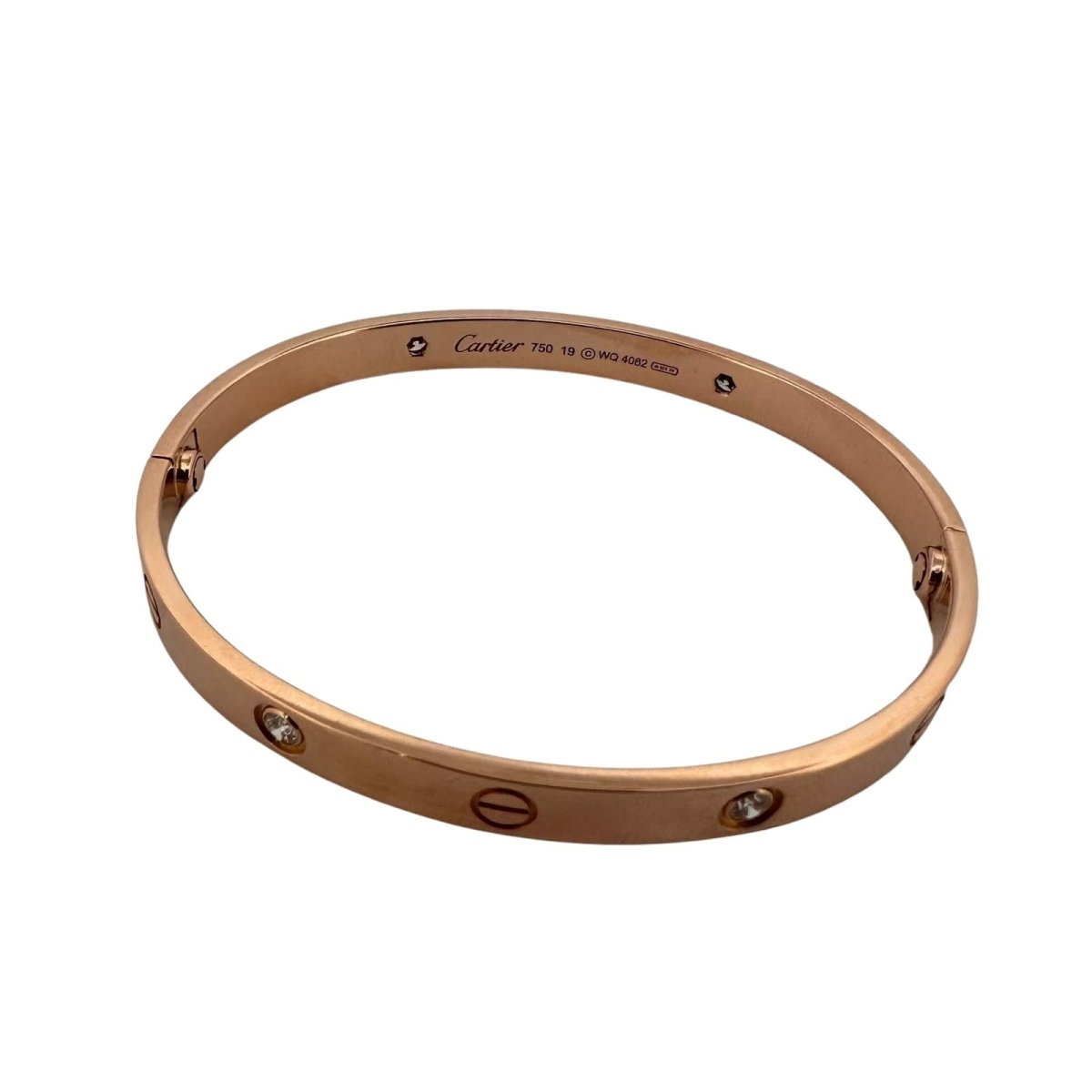
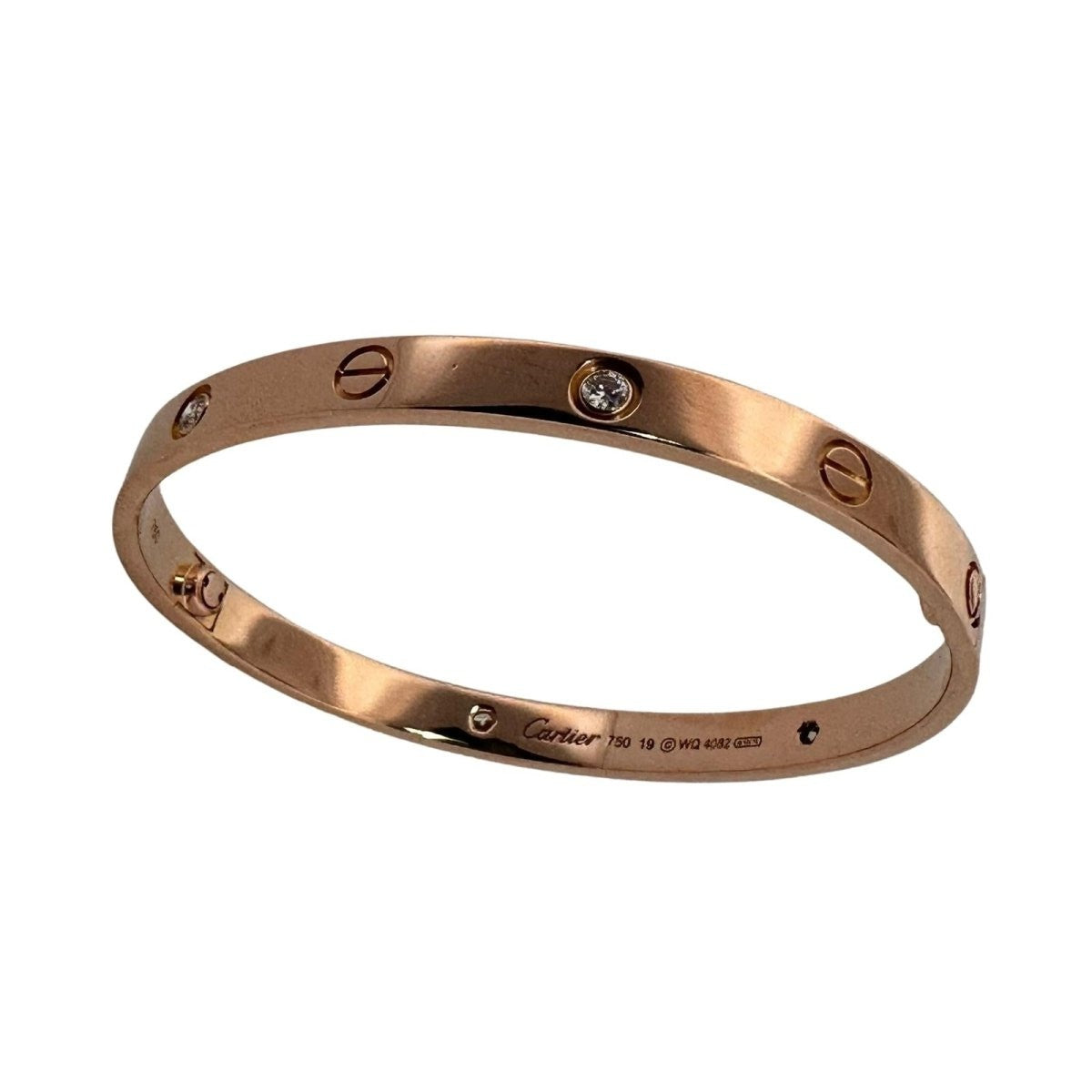
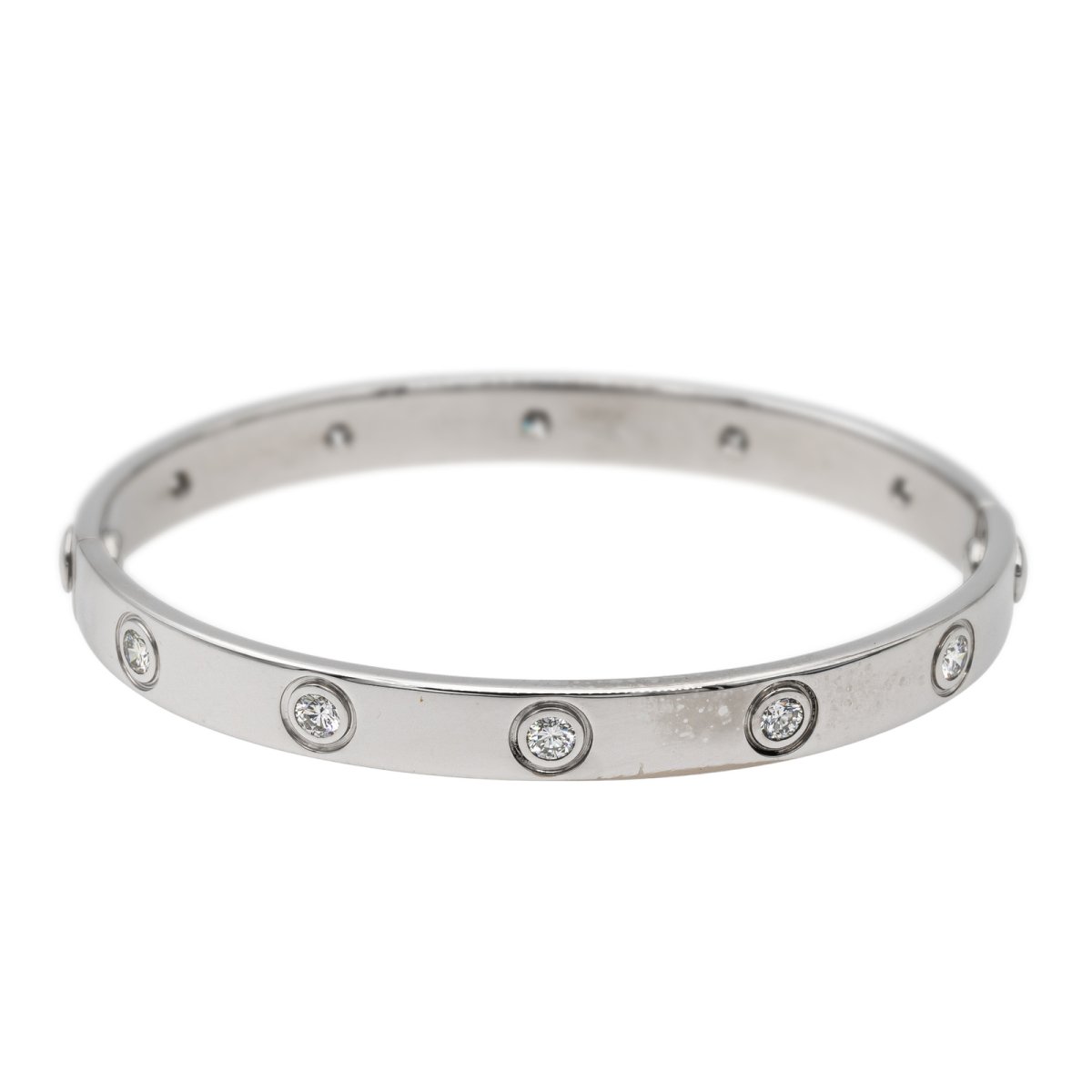
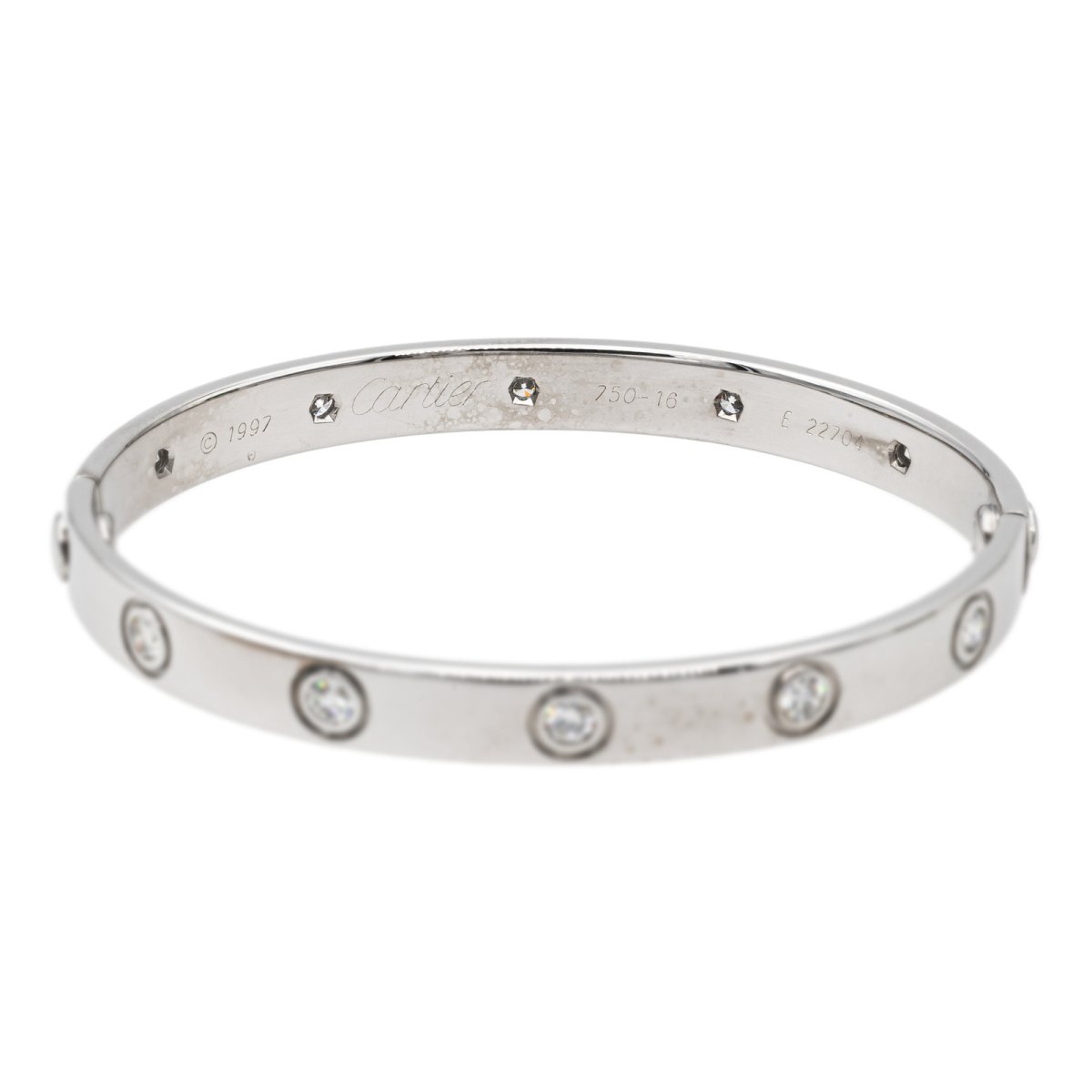
Now a signature of the Cartier house , the Love design extends to white gold and rose gold , is adorned with precious stones or diamonds set in the screws, and a mini version was launched in 2016.
In 2006 , Cartier also launched a " Love Charity " version mounted on a silk cord, part of the profits of which were donated to humanitarian causes .
Today , the collection also includes rigid open models (" cuff ") and creations in ceramic or full paving .