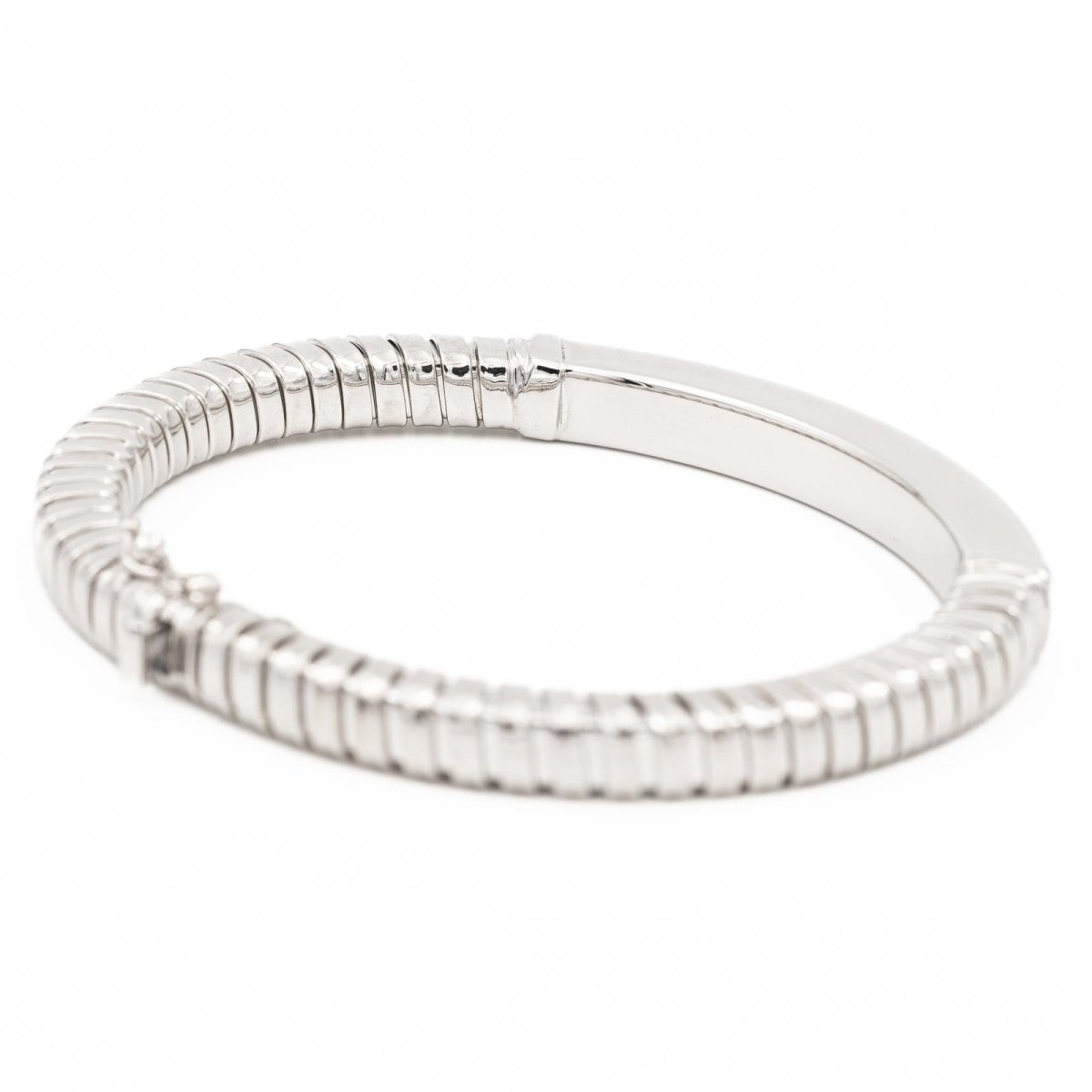
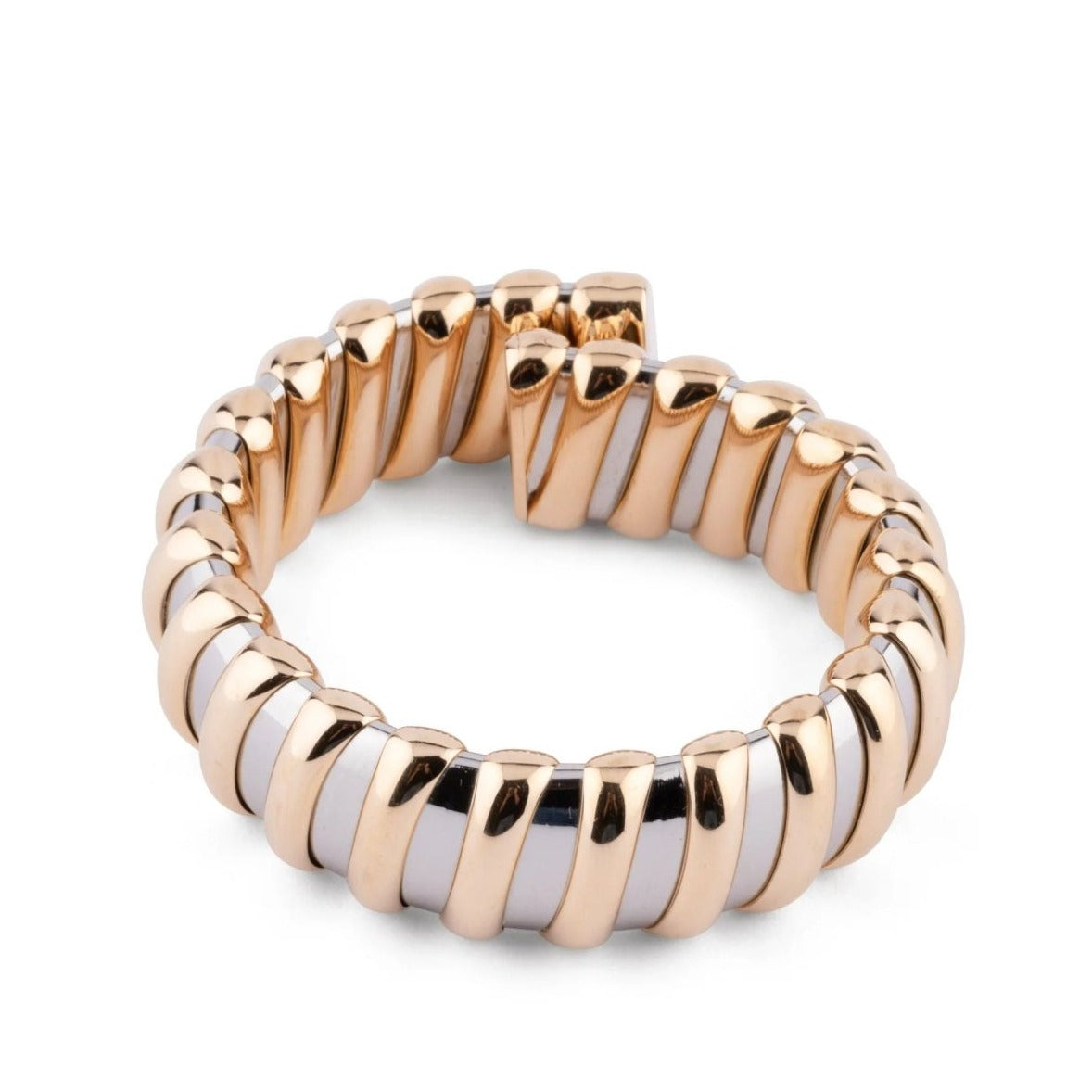
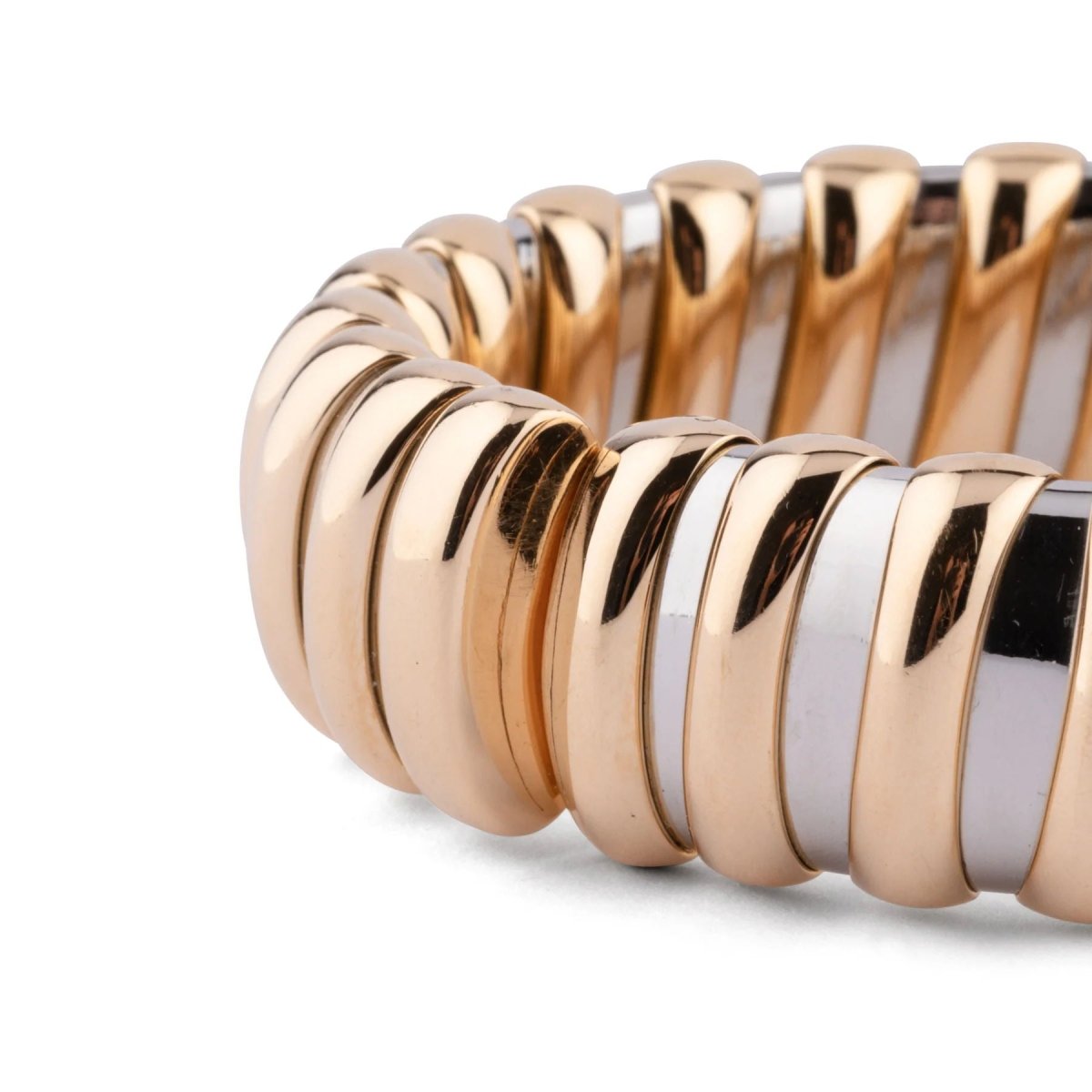
Tubogas: Where Engineering and Jewelry Meet
Origins and technique of Tubogas
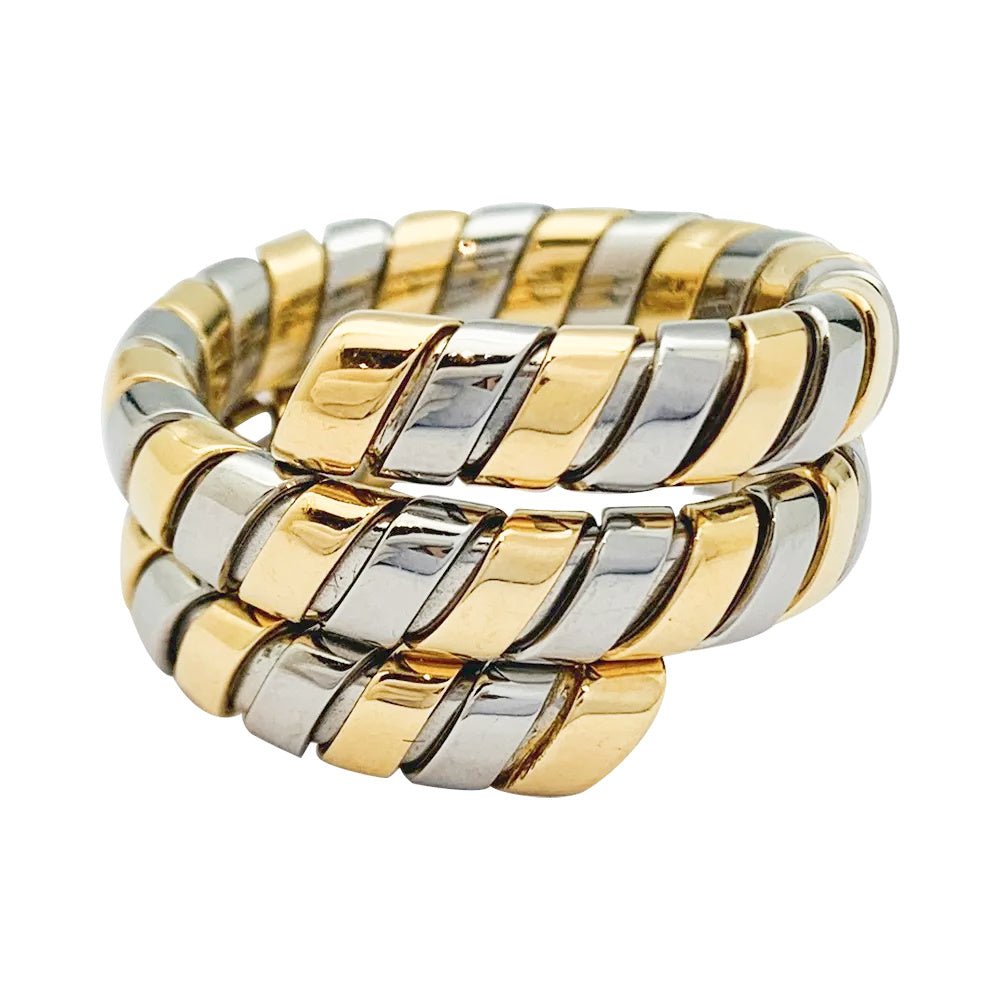
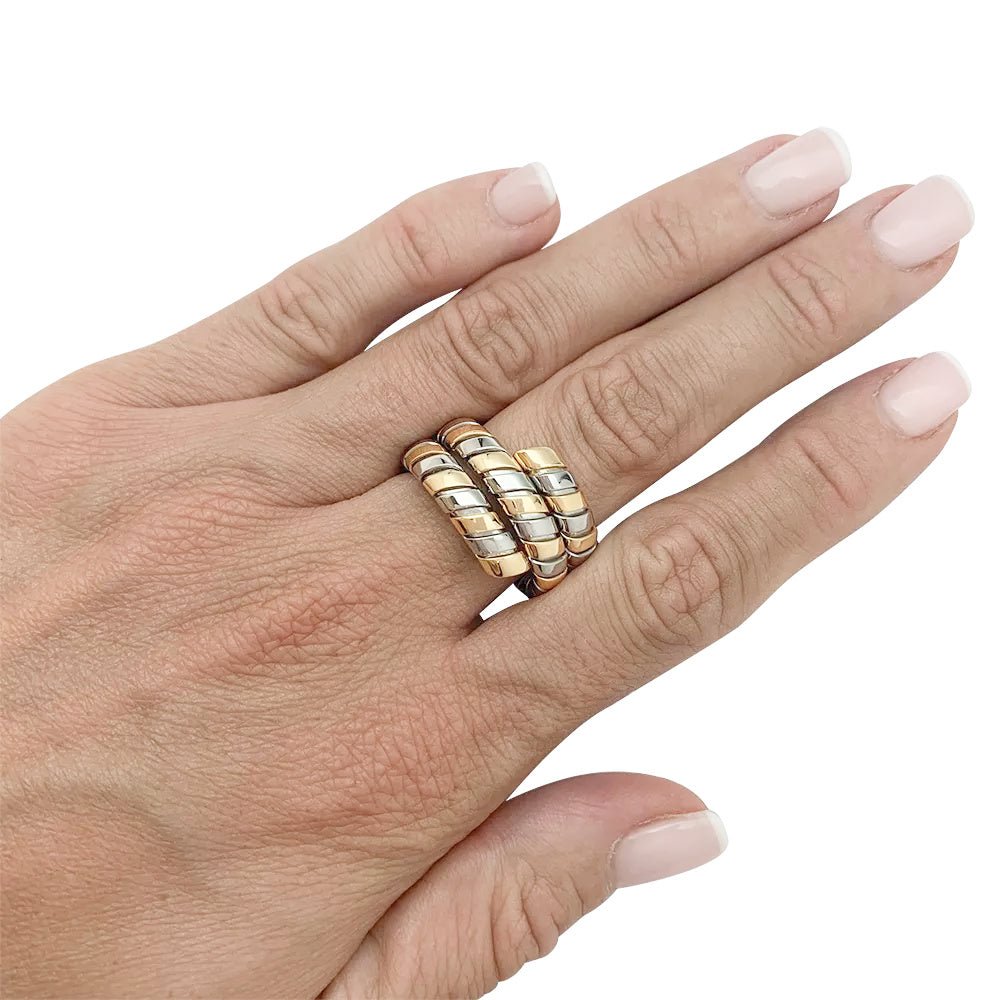
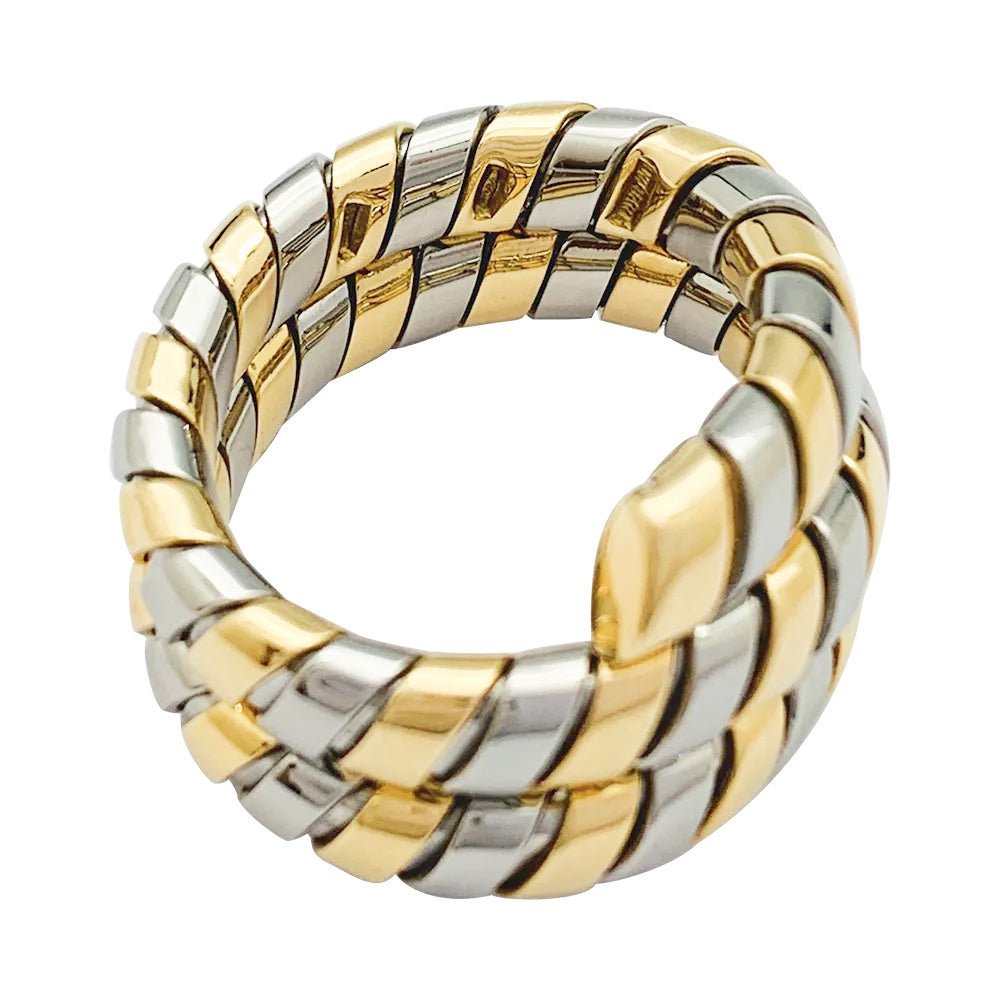
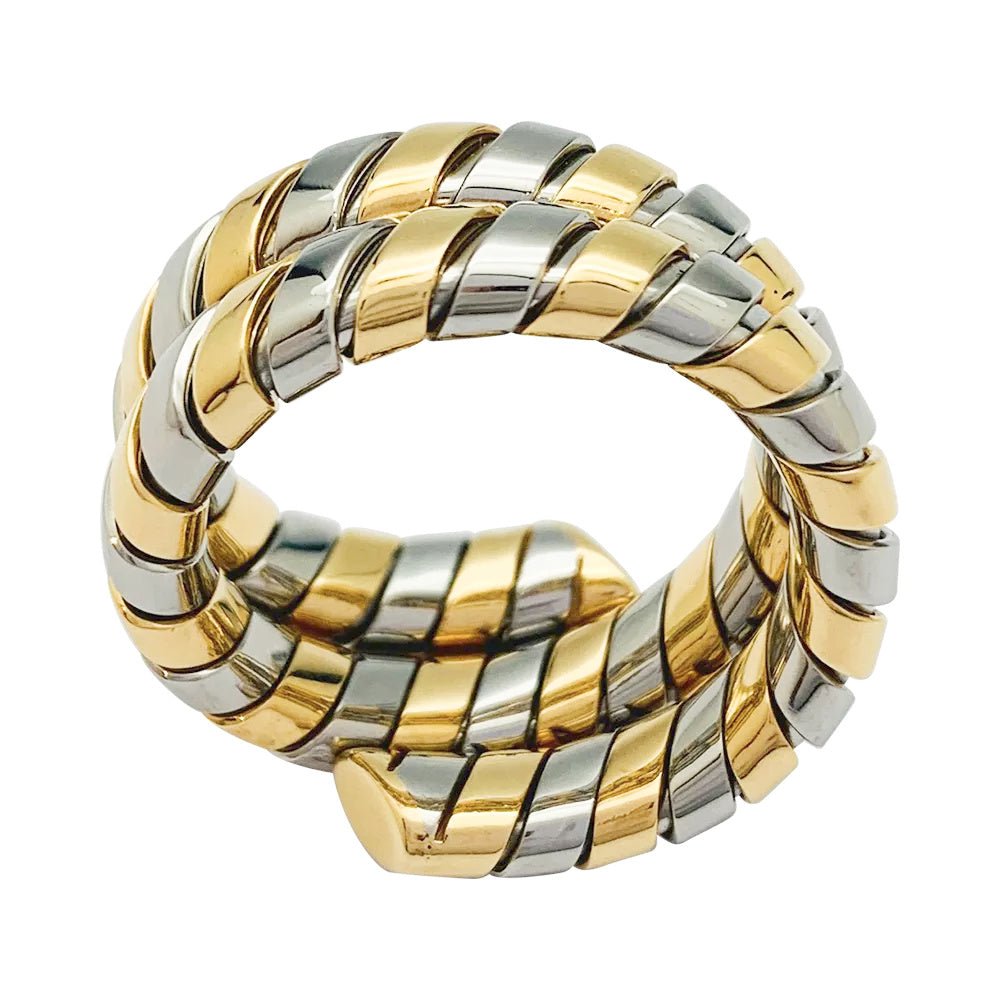
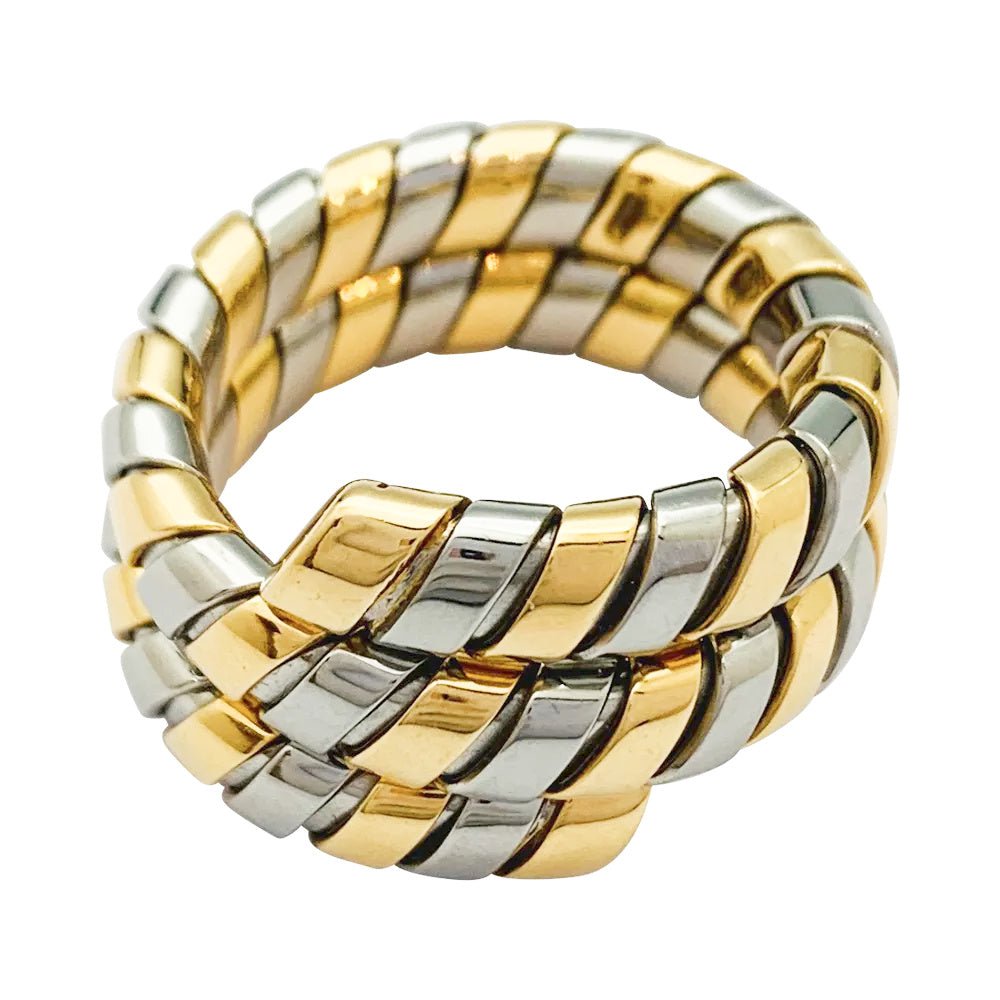
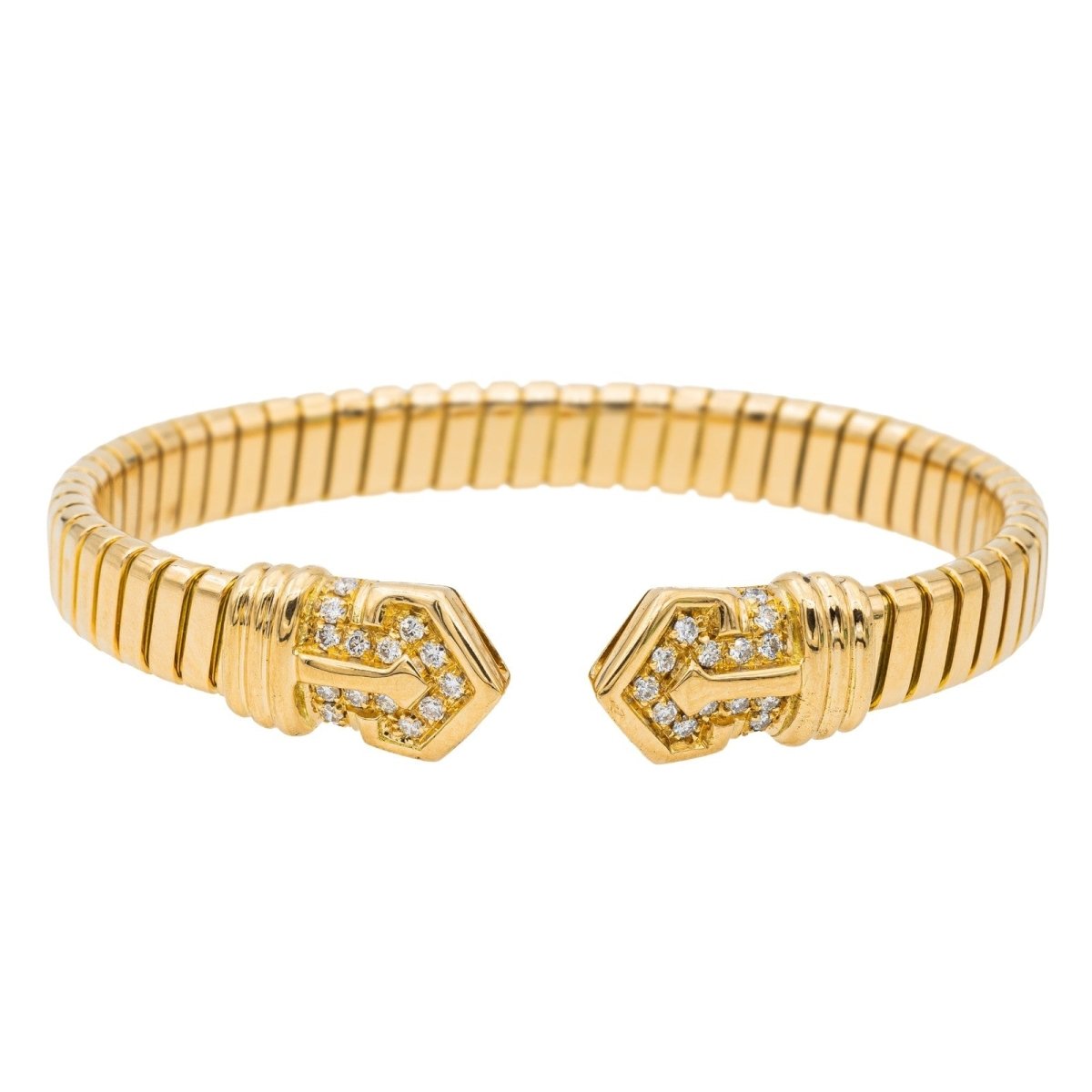
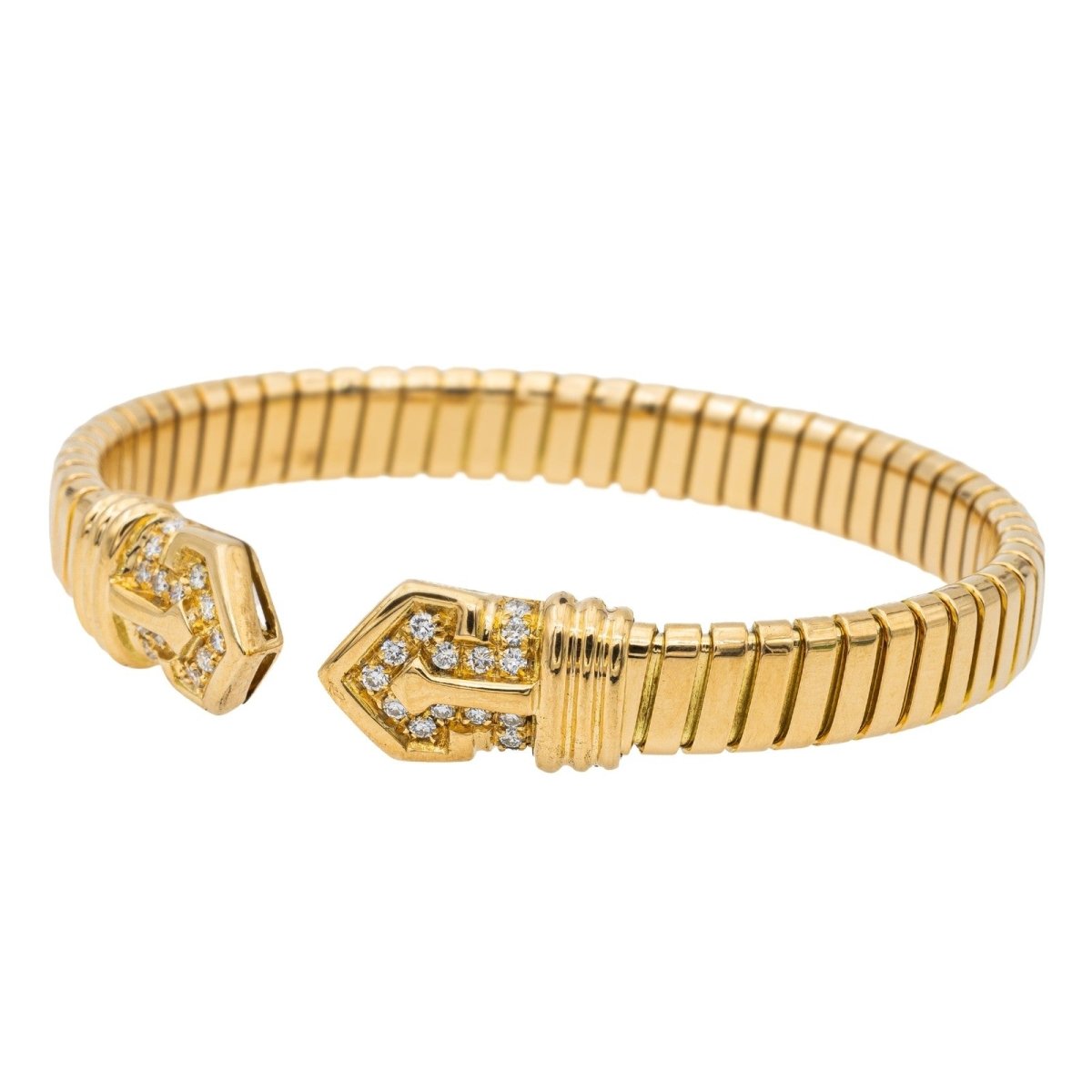
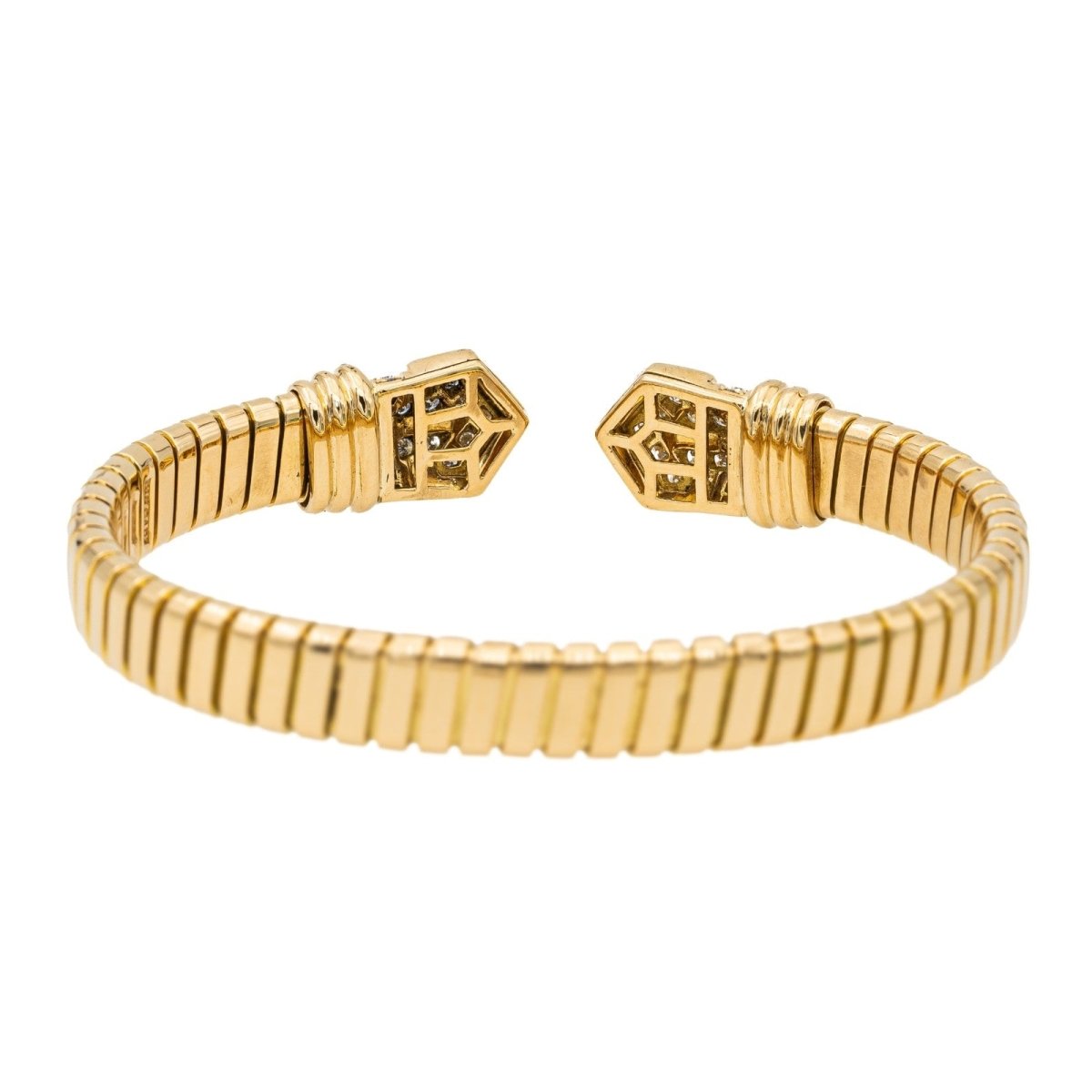
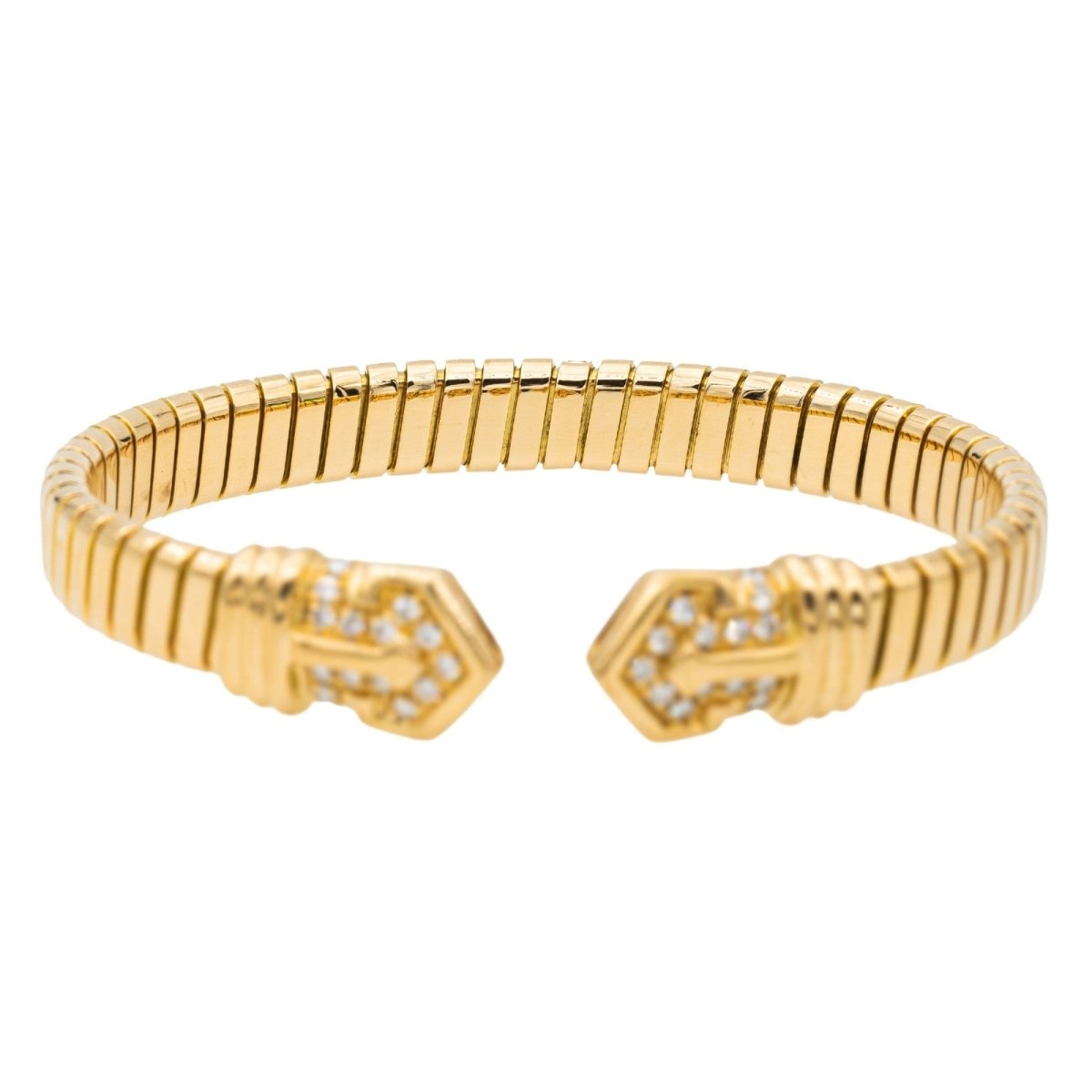
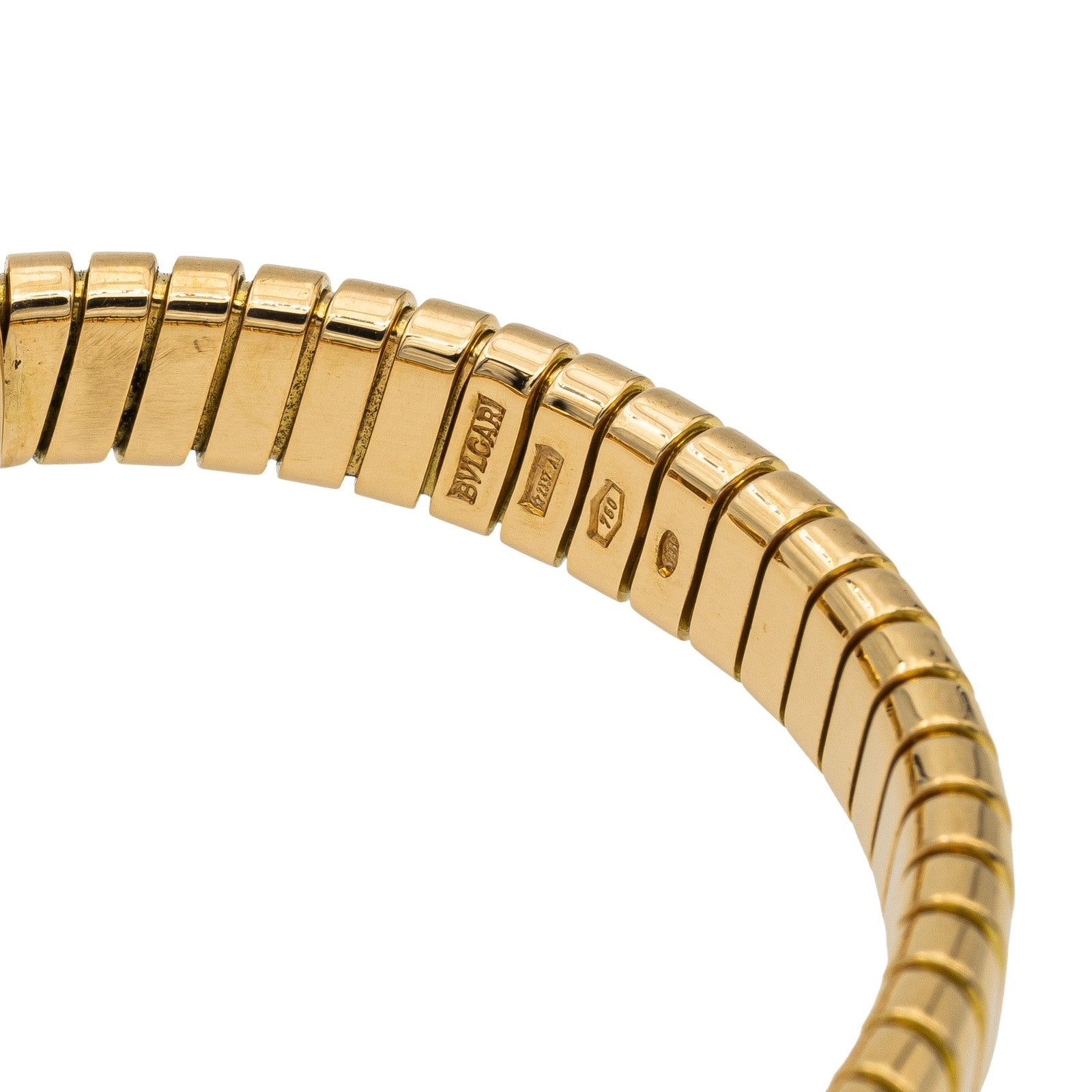
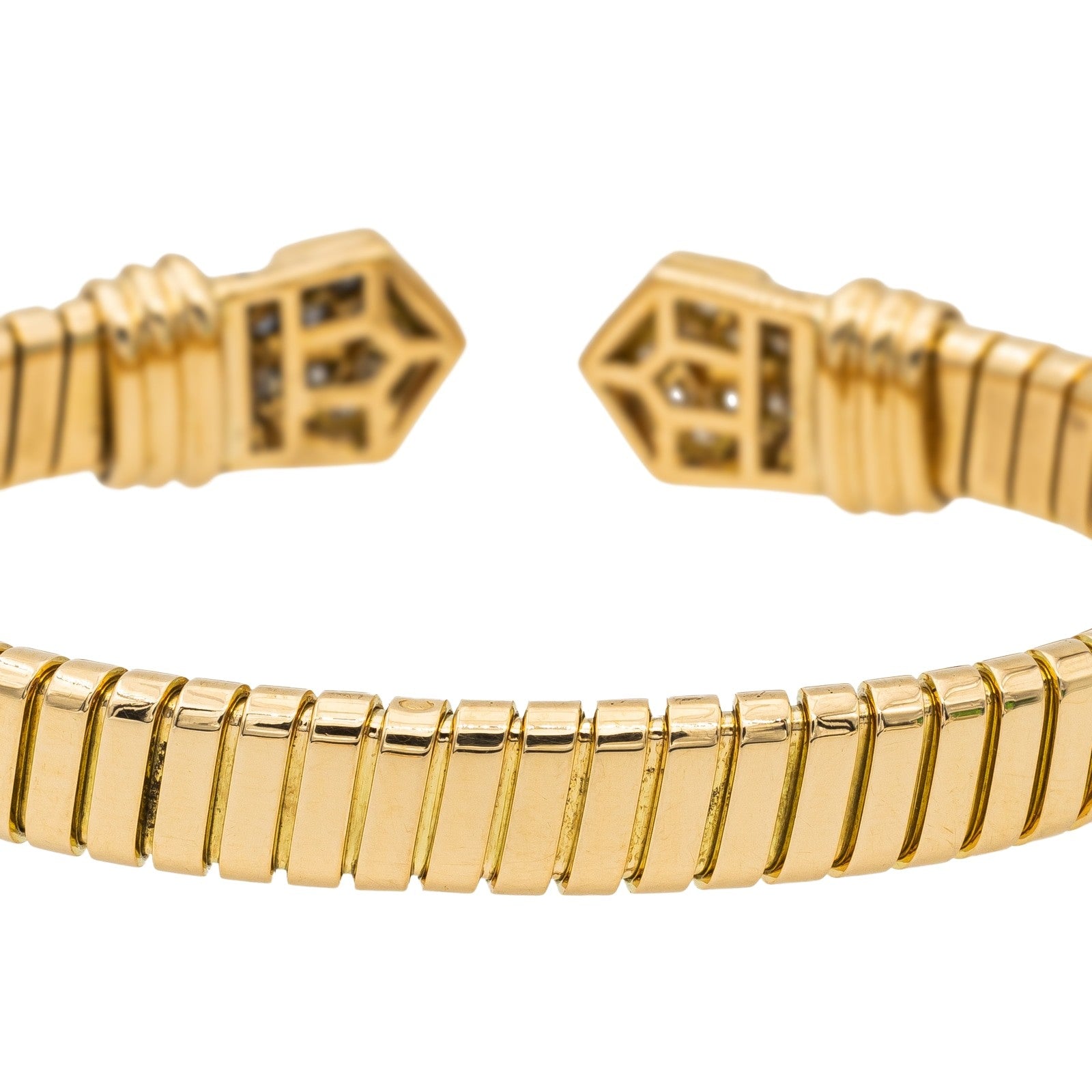
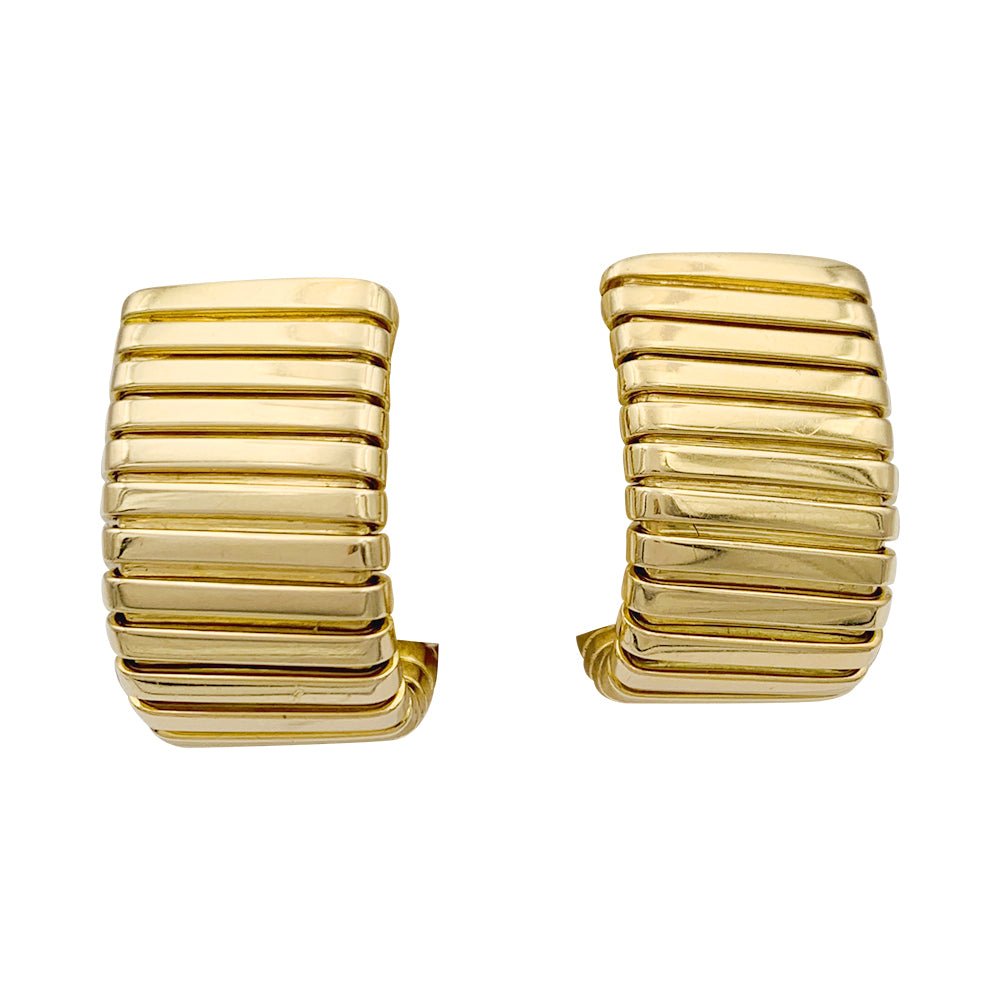
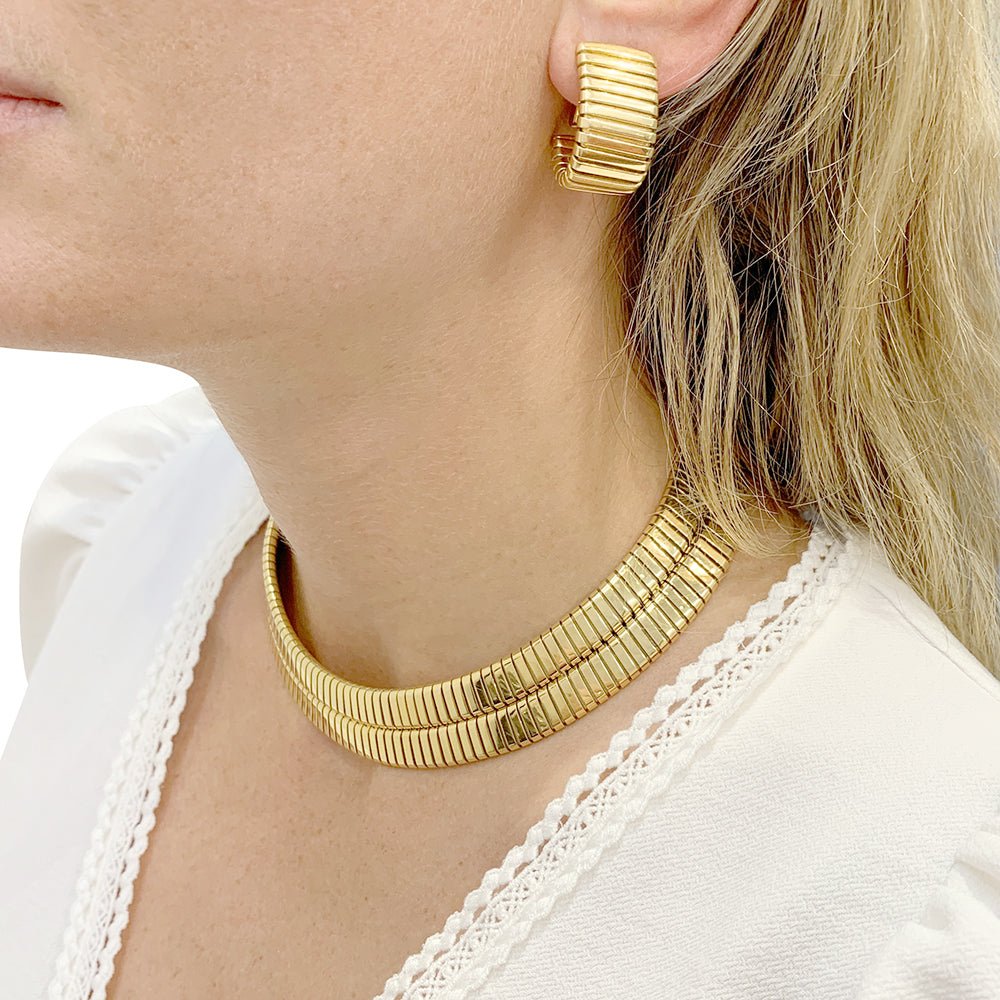
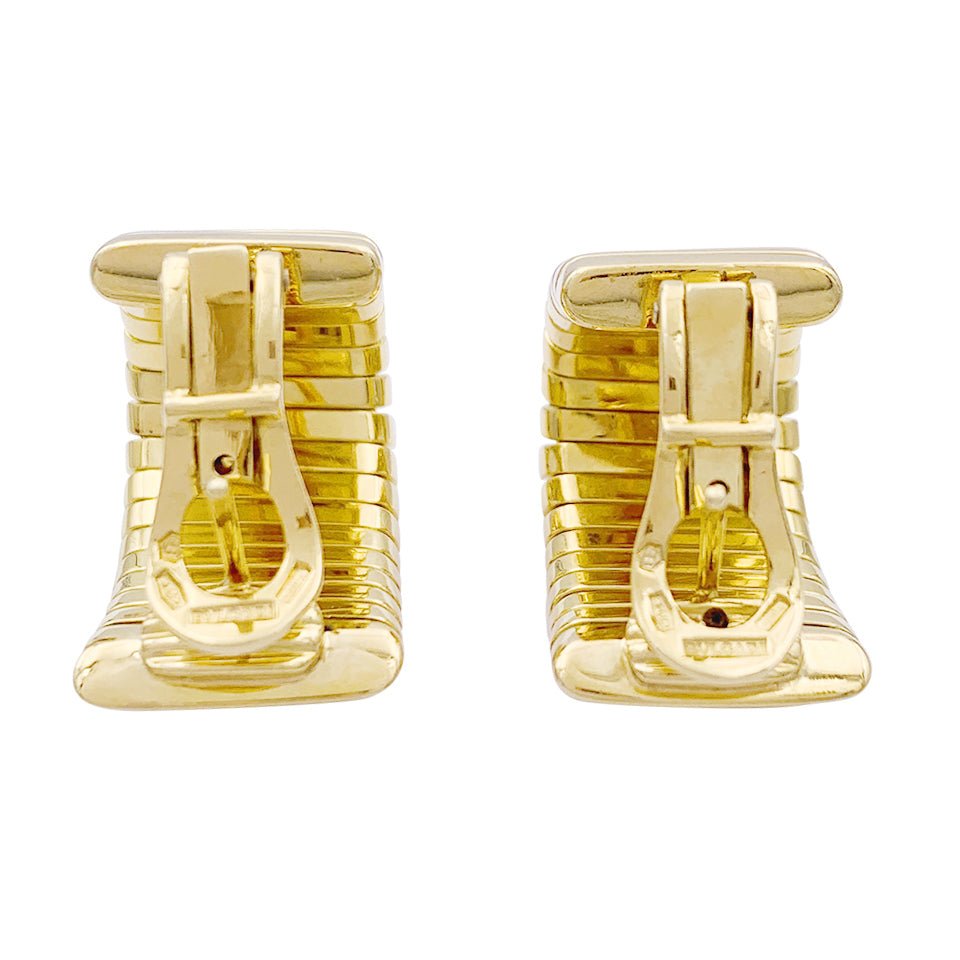
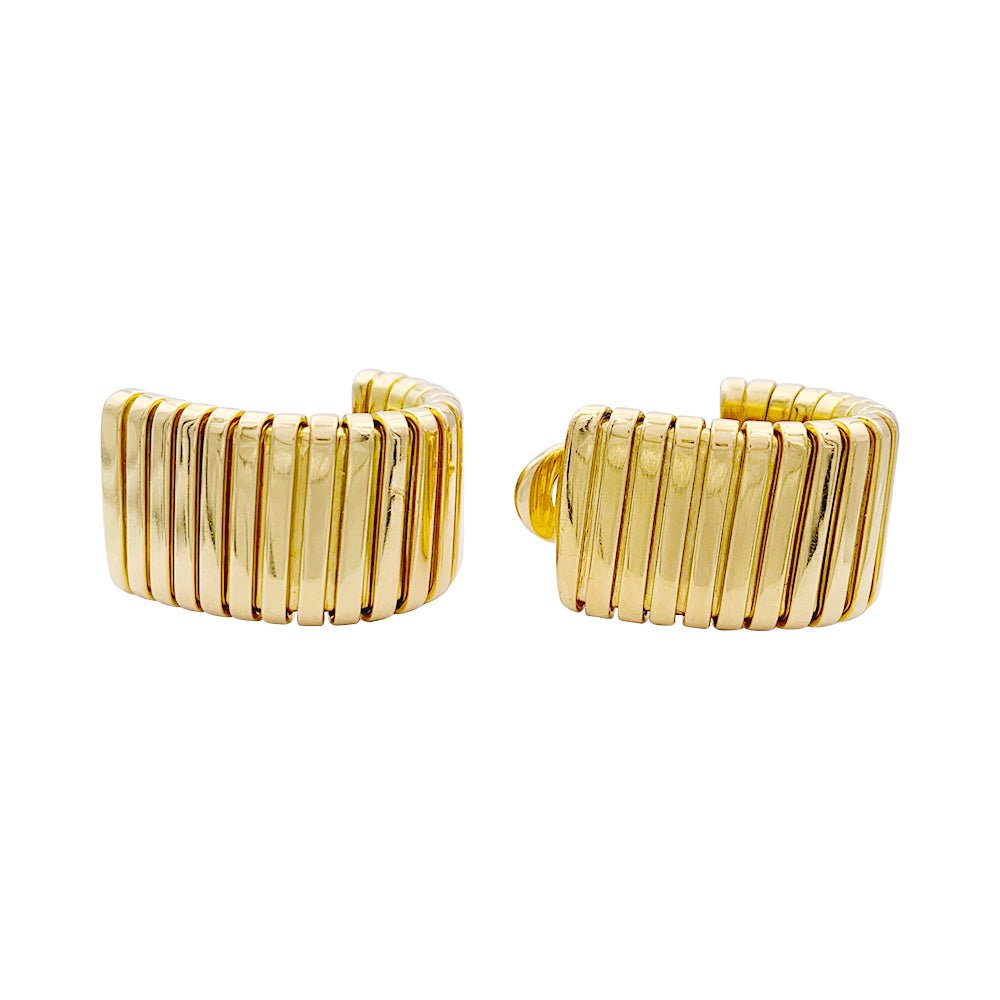
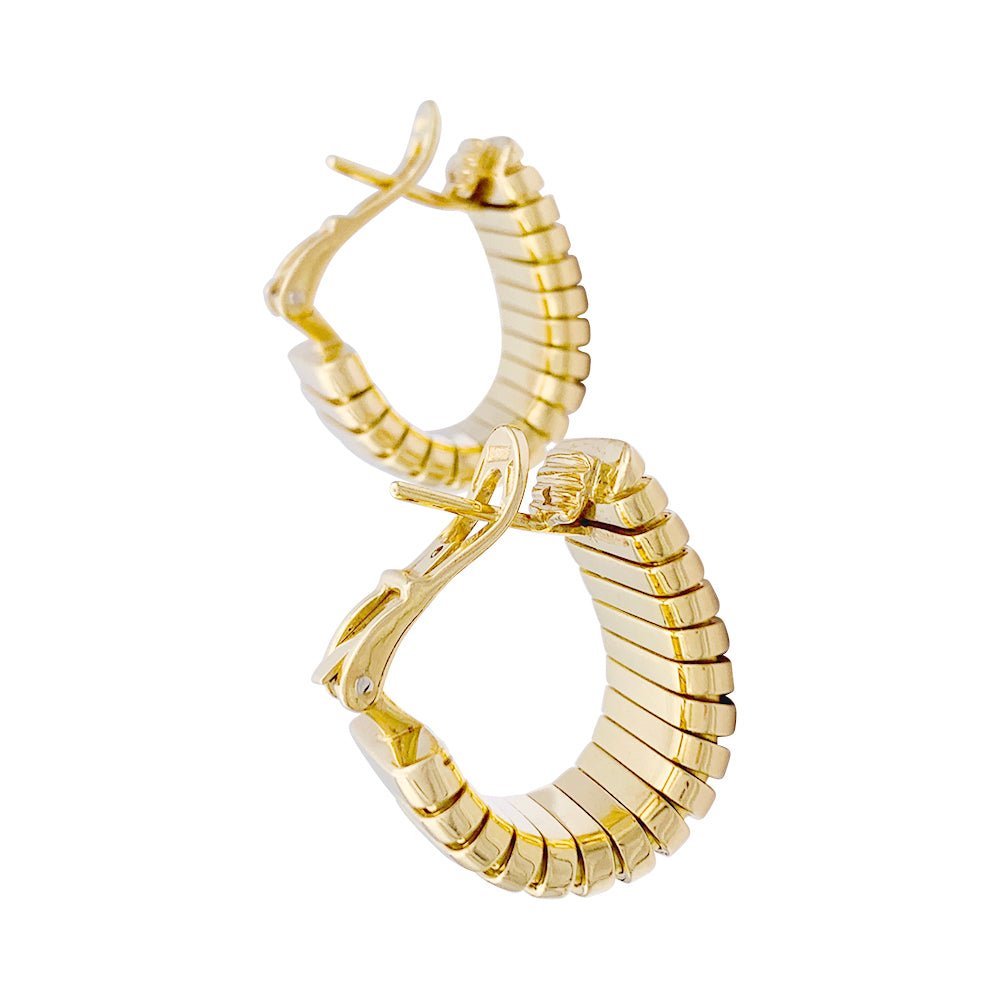
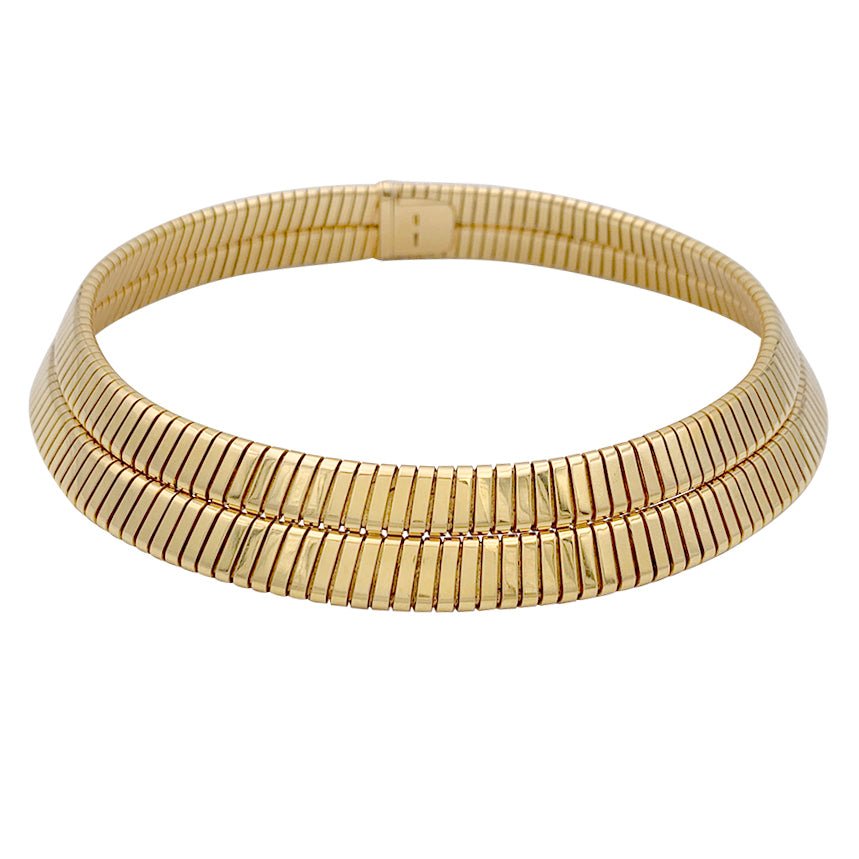
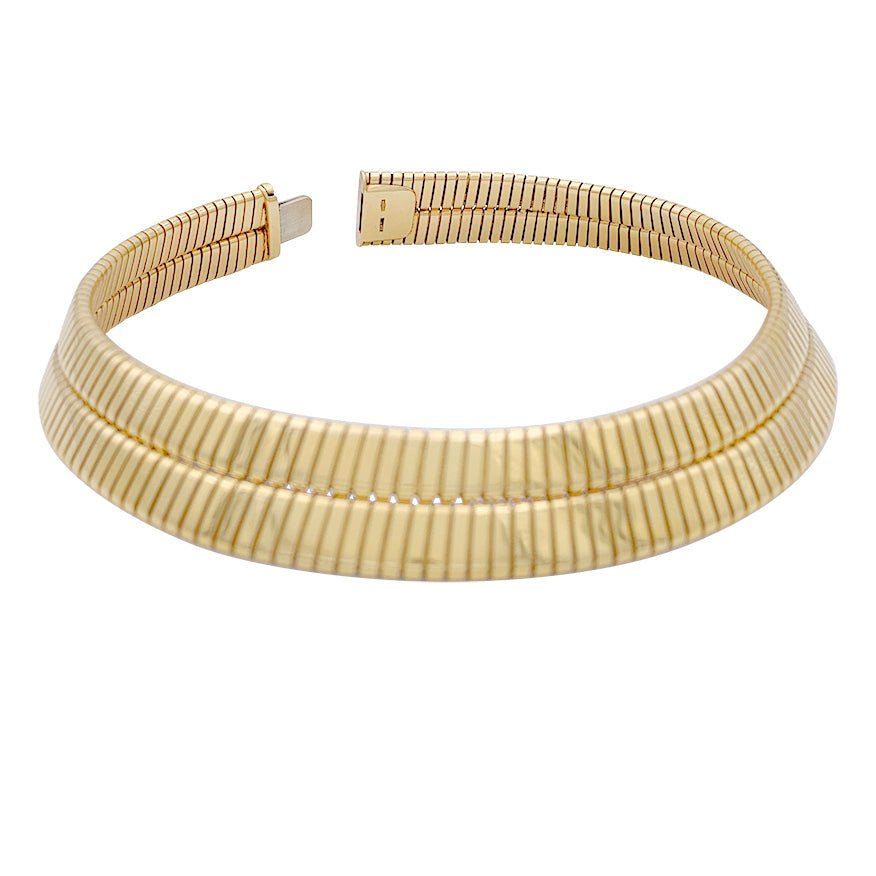
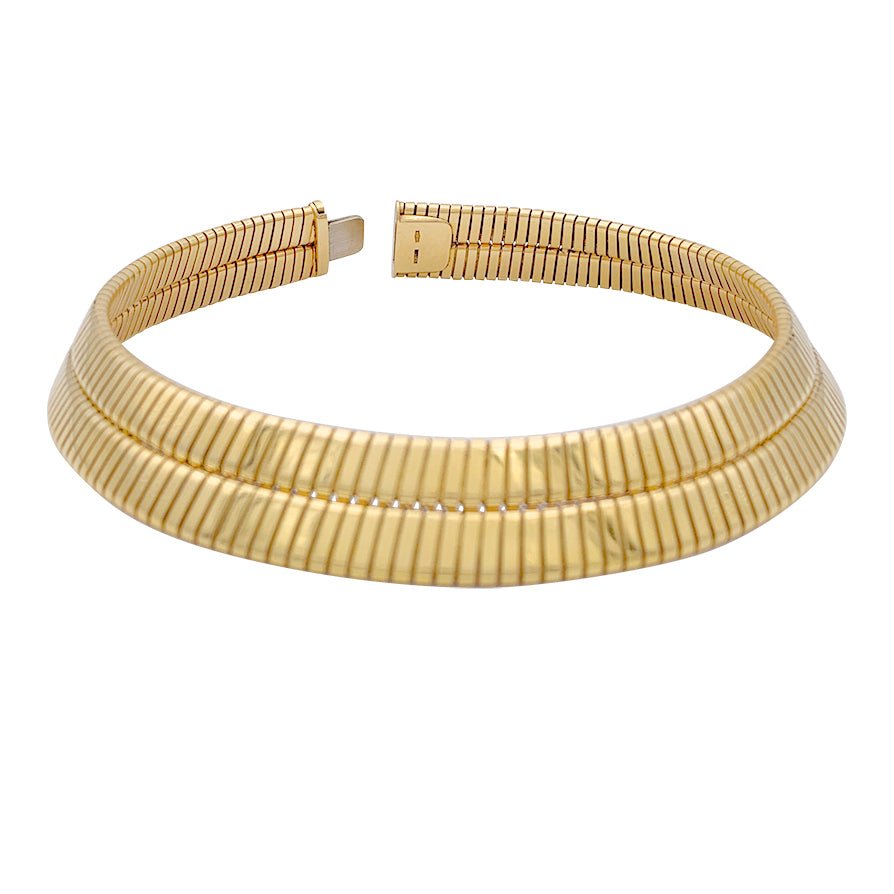
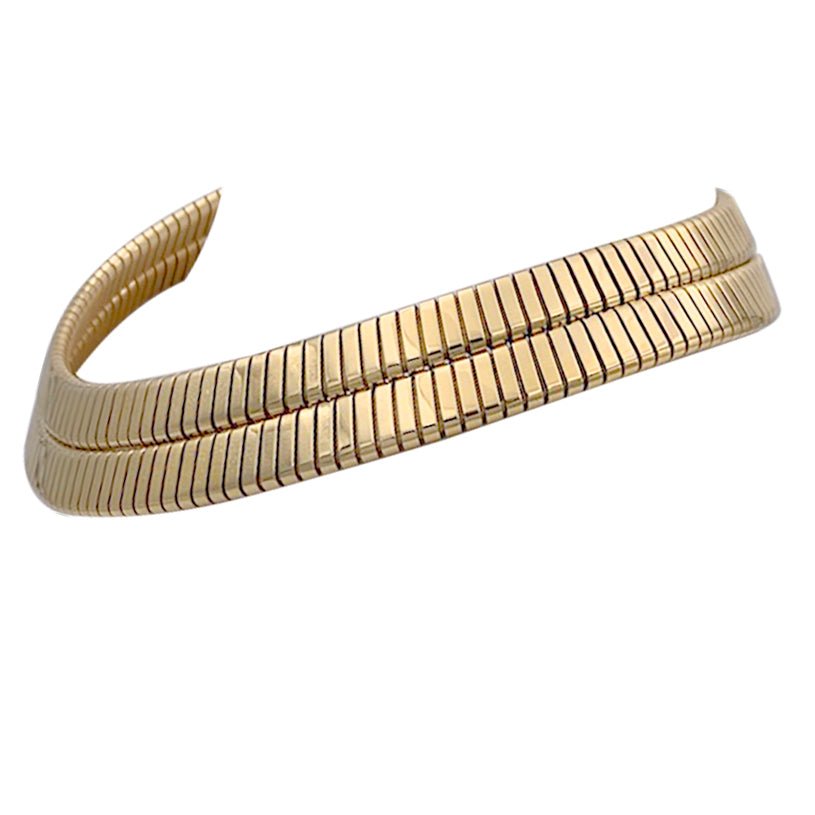
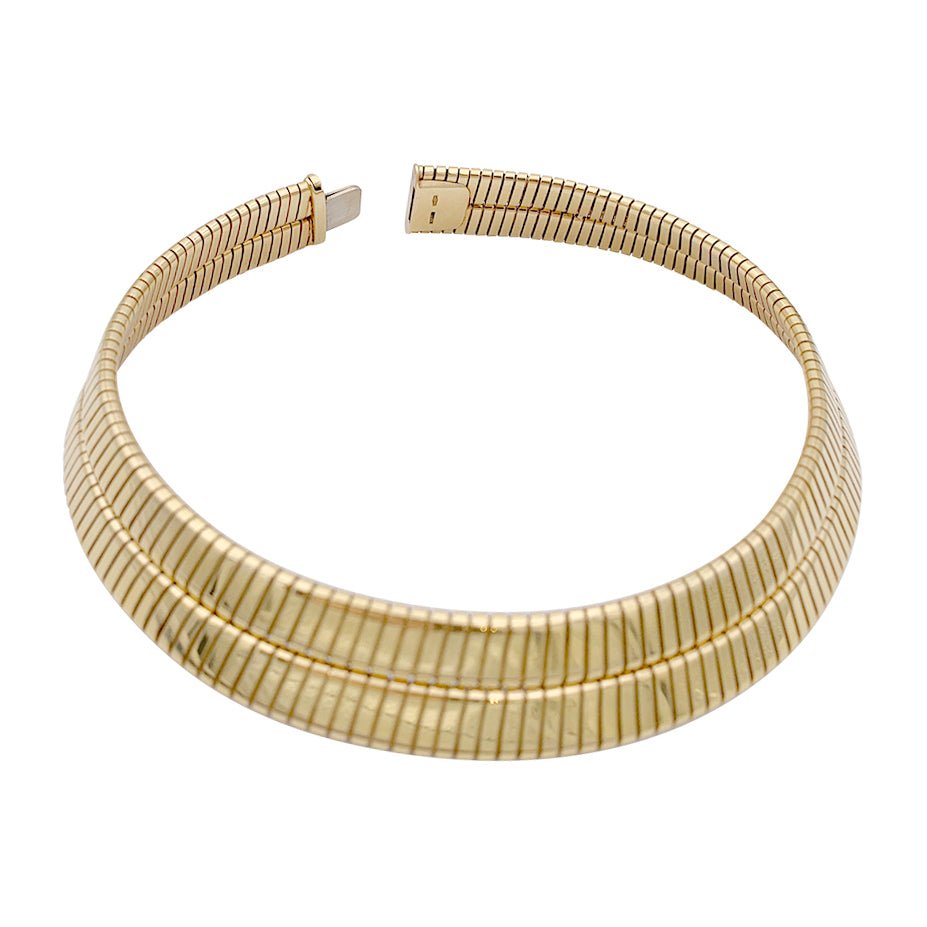
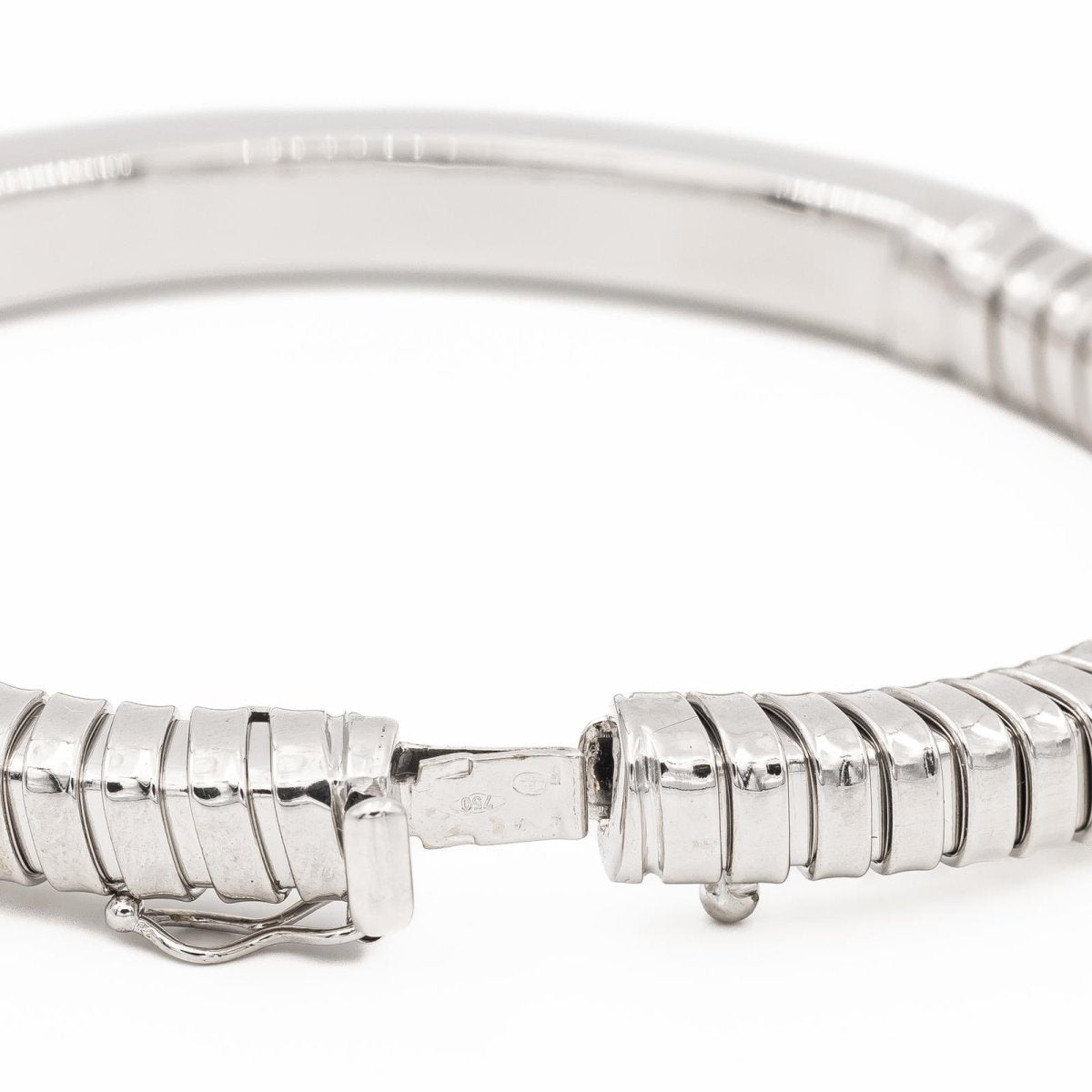
The Tubogas , also known as the spiratube , is an elastic metal tube patented in 1881 by the Italian engineer Eugène Cattaneo , originally designed for transporting high-pressure gases in industry. This seamless technique involves wrapping two metal strips, often gold , silver , or steel , around a removable core , creating a flexible and resistant structure that perfectly conforms to the body's shape .
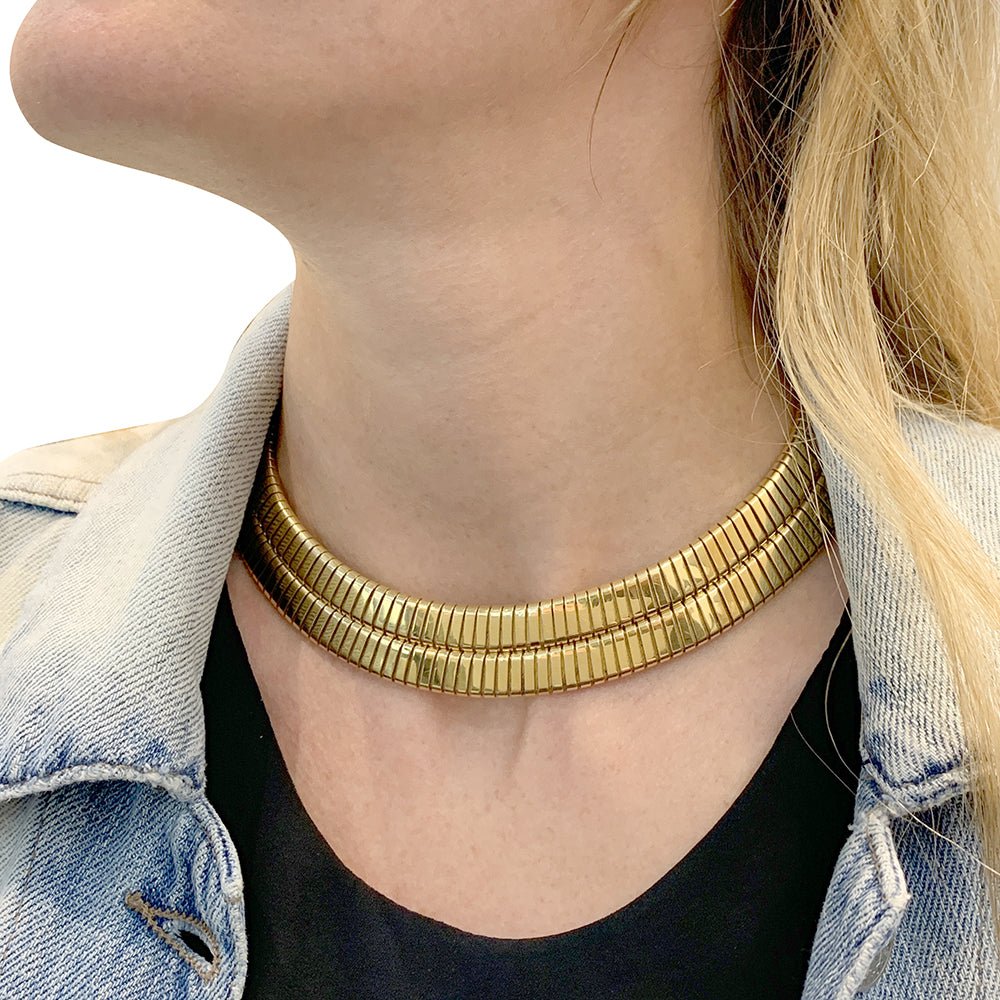
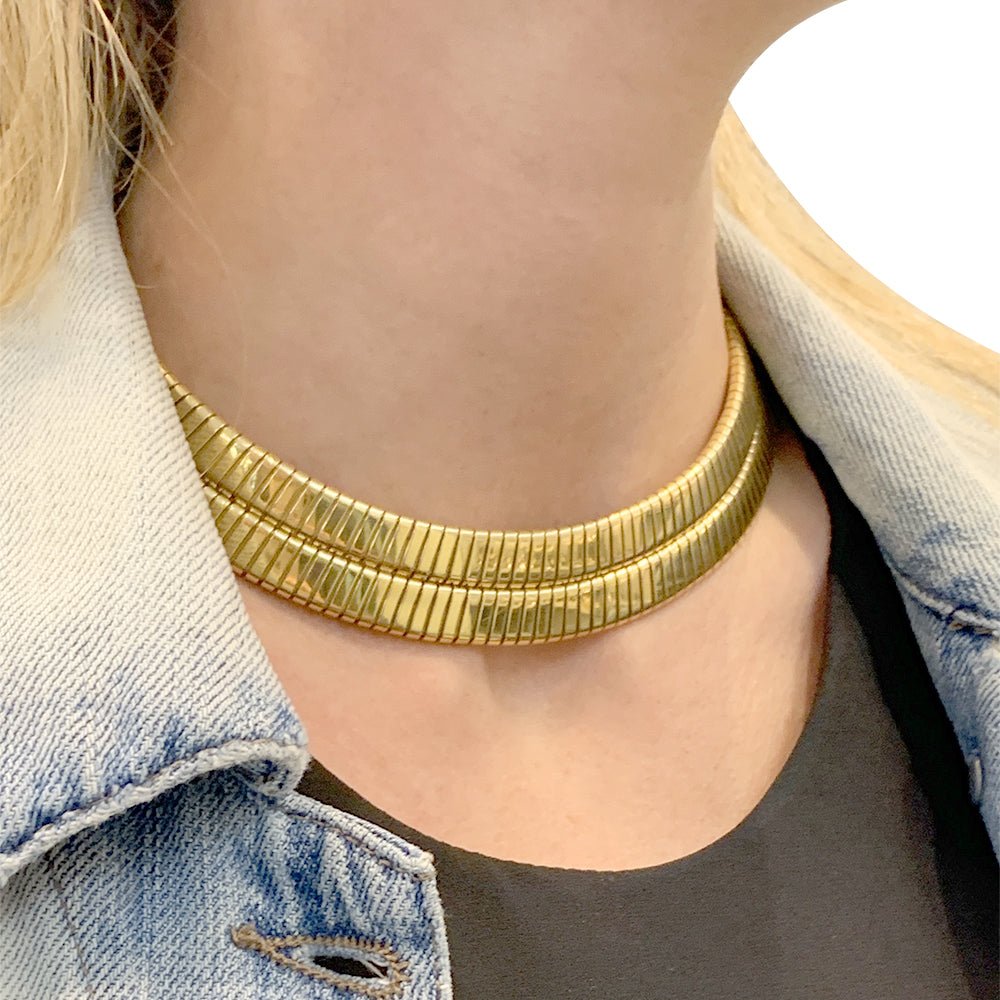
At the end of the 19th century , jewelers were already drawing inspiration from this technique to create new mesh designs . It was only in the early 1930s that Tubogas gold jewelry emerged as a modern and elegant response to the aesthetics of the time, adorning the wrists and necks of the stylish women of the era.

Major innovation and creation
In 1939 , Van Cleef & Arpels took advantage of the New York World's Fair to present its famous Passe-Partout jewel . Designed by Renée Puissant , the house's artistic director, and the designer René Sim-Lacaze , this modular jewel creatively exploited the Tubogas mesh for the first time, allowing it to be transformed at will into a necklace , bracelet , clip or belt , a significant innovation in the history of transformable jewelry .
Bulgari and the power of the Tubogas
In the late 1940s , Bulgari fully exploited the potential of the Tubogas technique by combining it with the representation of a serpent in its Serpenti watch line, symbols of seduction and regeneration . According to Bulgari, the Tubogas design draws inspiration from the sheathed exhaust pipes of 1930s luxury cars, particularly Mercedes-Benz and Auburn models, embodying a bridge between industrial design and Italian goldsmithing .

The icon Elizabeth Taylor
The Tubogas movement gained significant popularity when actress Elizabeth Taylor was photographed wearing a Bulgari Serpenti watch on the set of the film Cleopatra in Rome . Since then, the Italian brand has been exploiting the Tubogas, mistakenly giving the impression that it is an exclusive invention of the company .