Cartier and the elegance of the Tutti Frutti style
The vibrant colors of the Tutti Frutti style, a blend of tradition and modernity
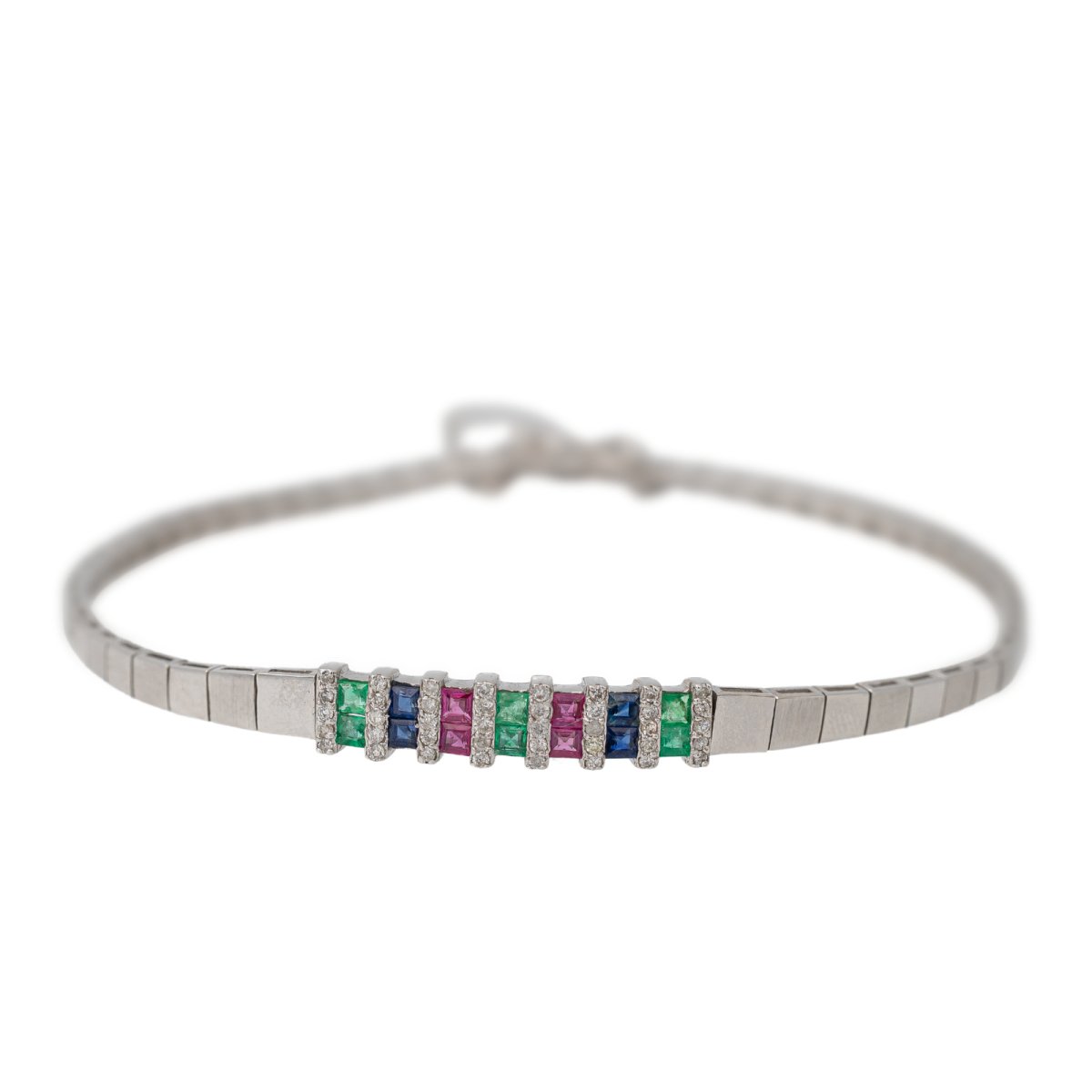
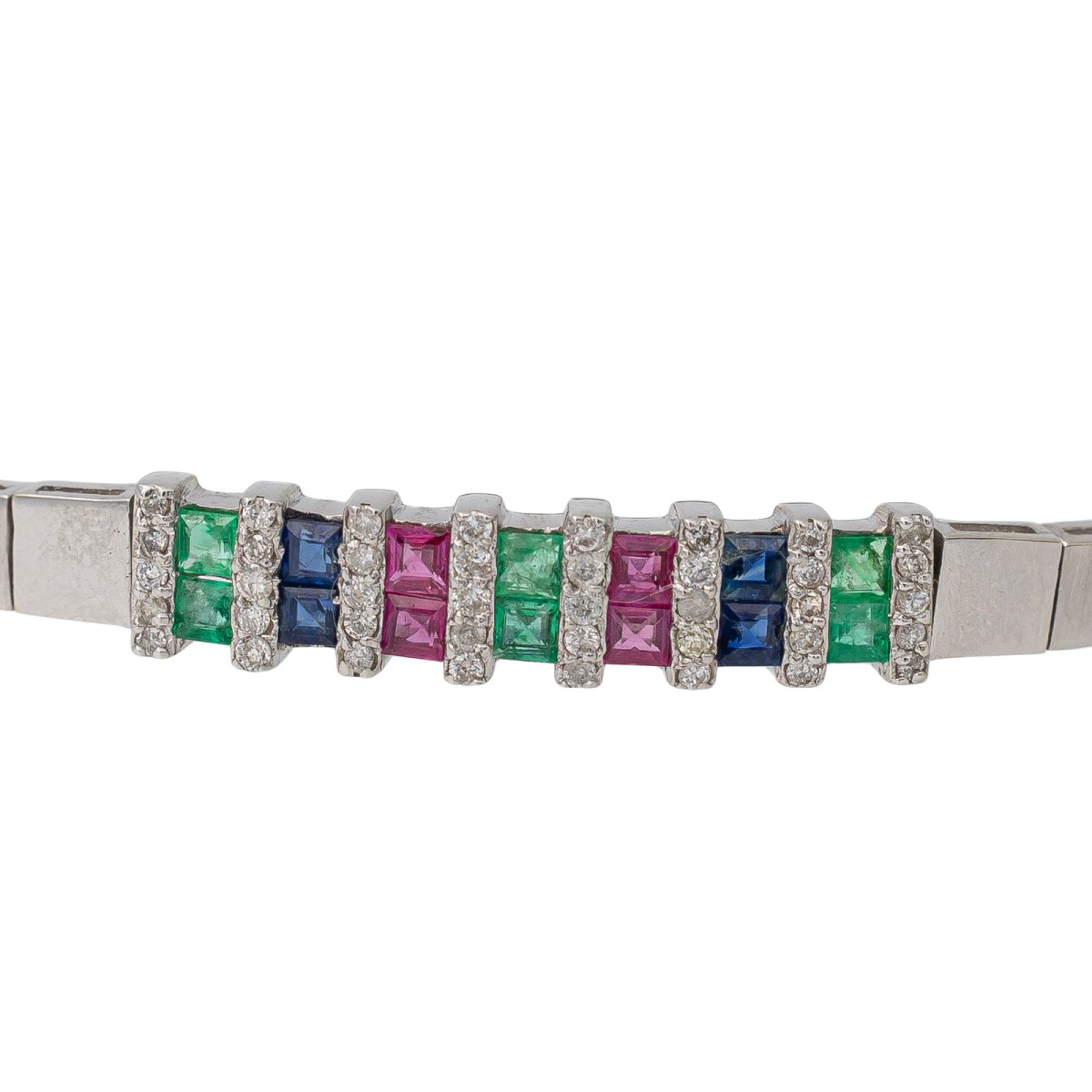
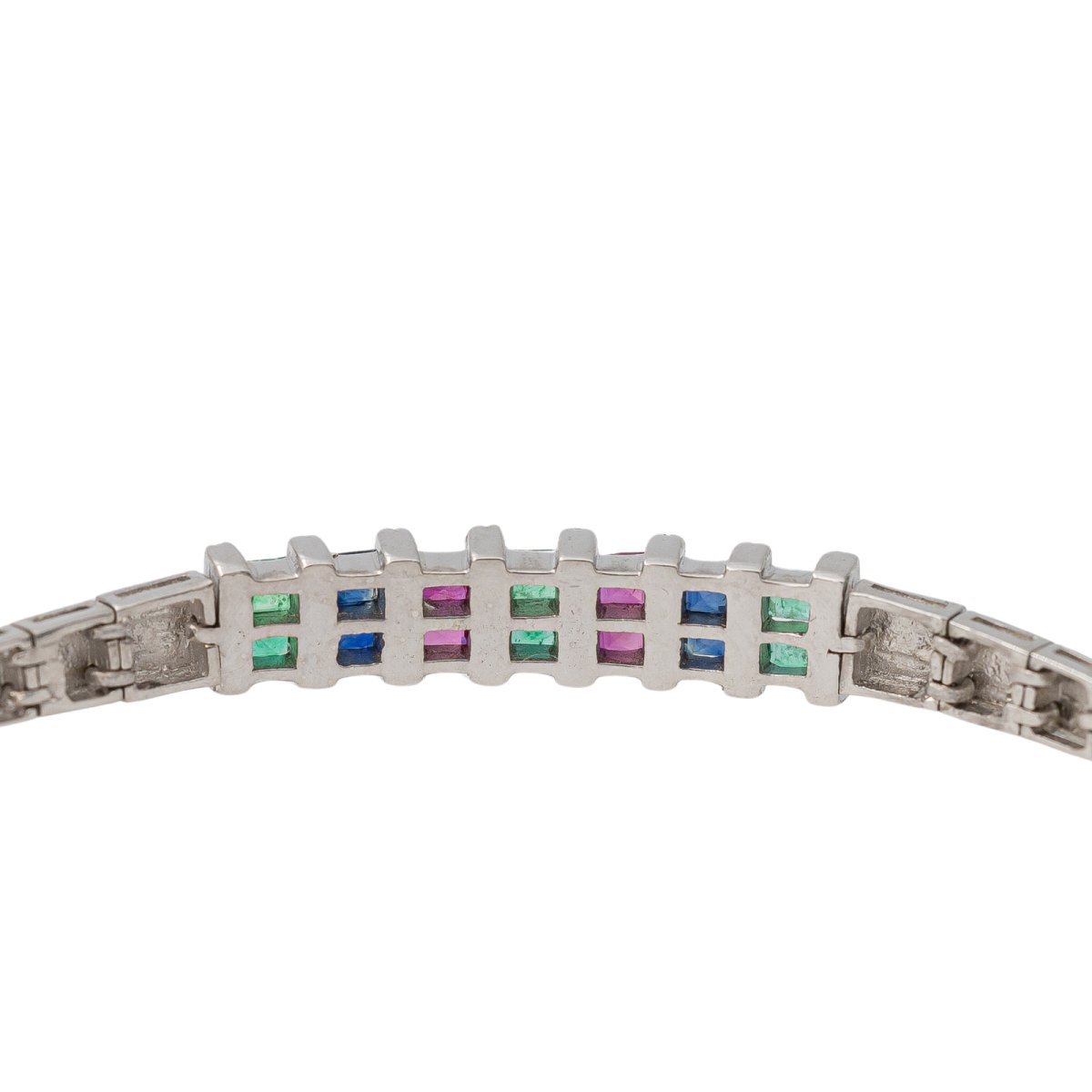
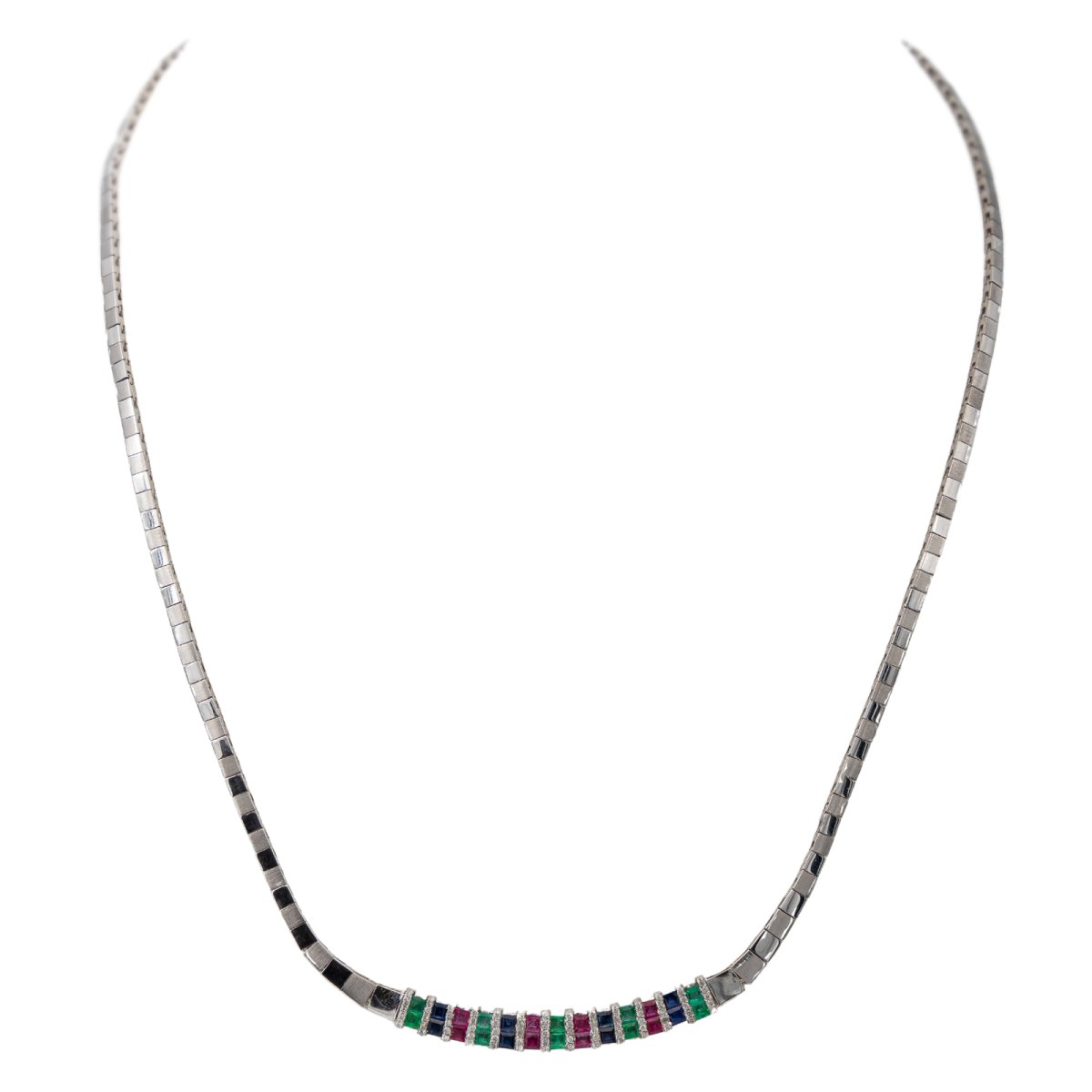
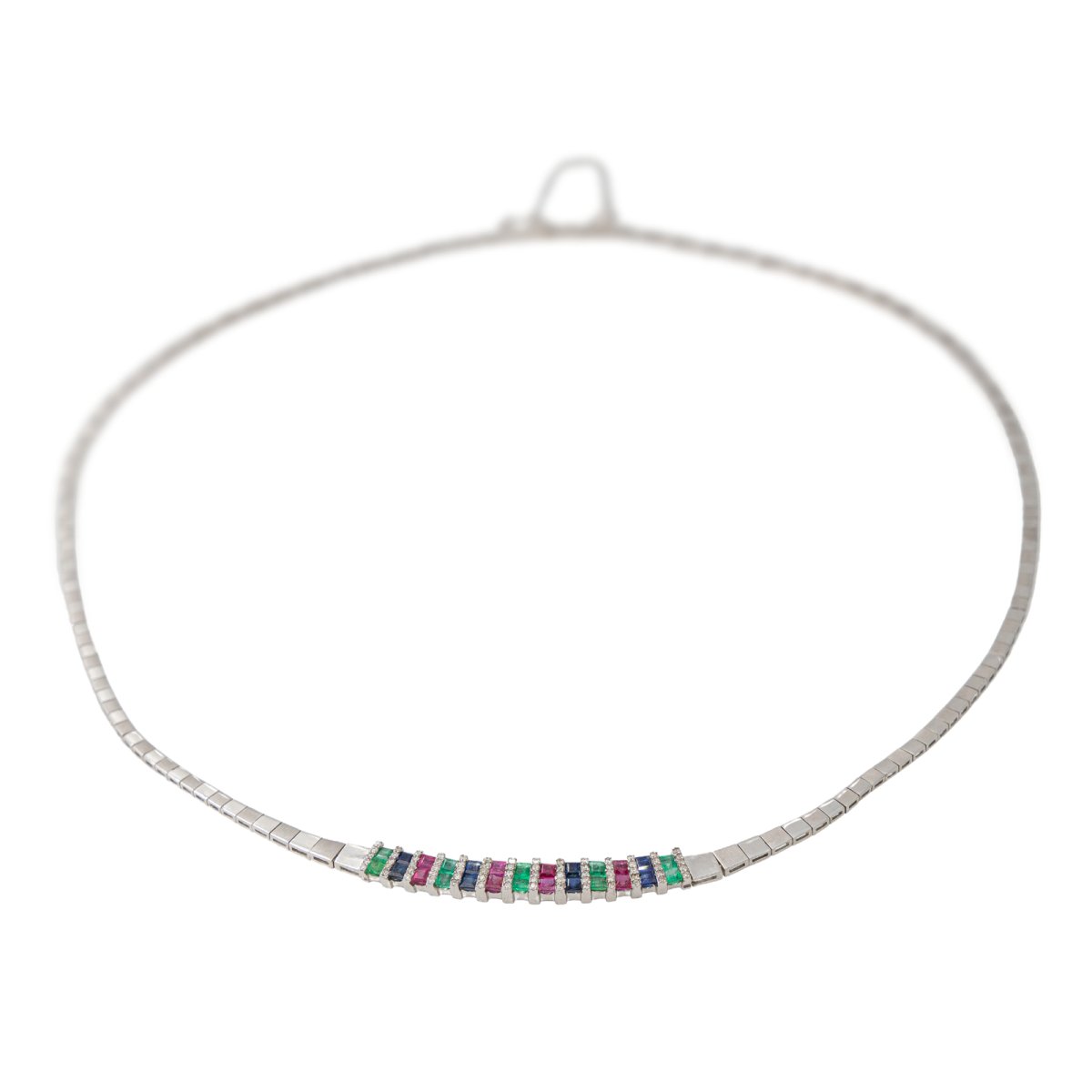
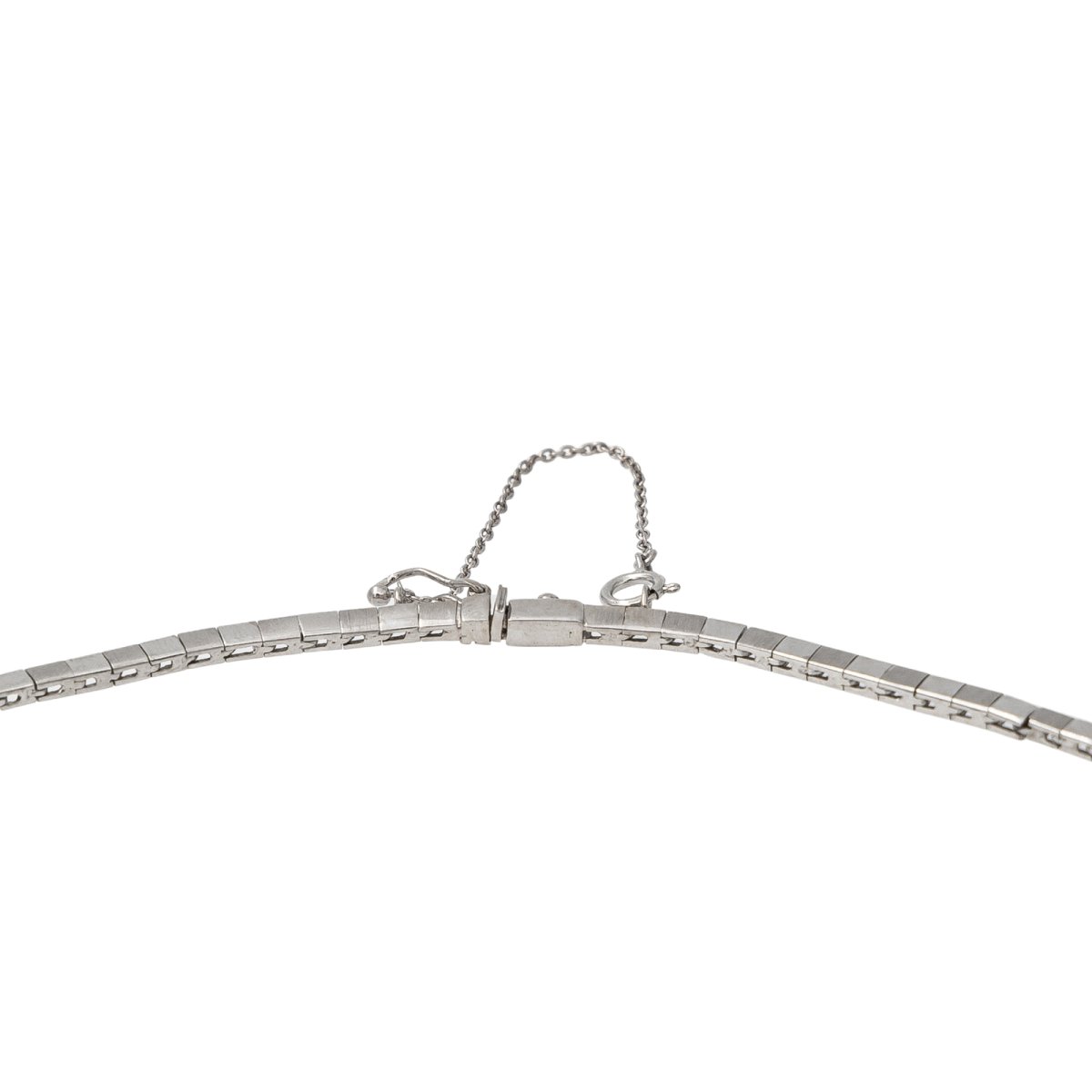
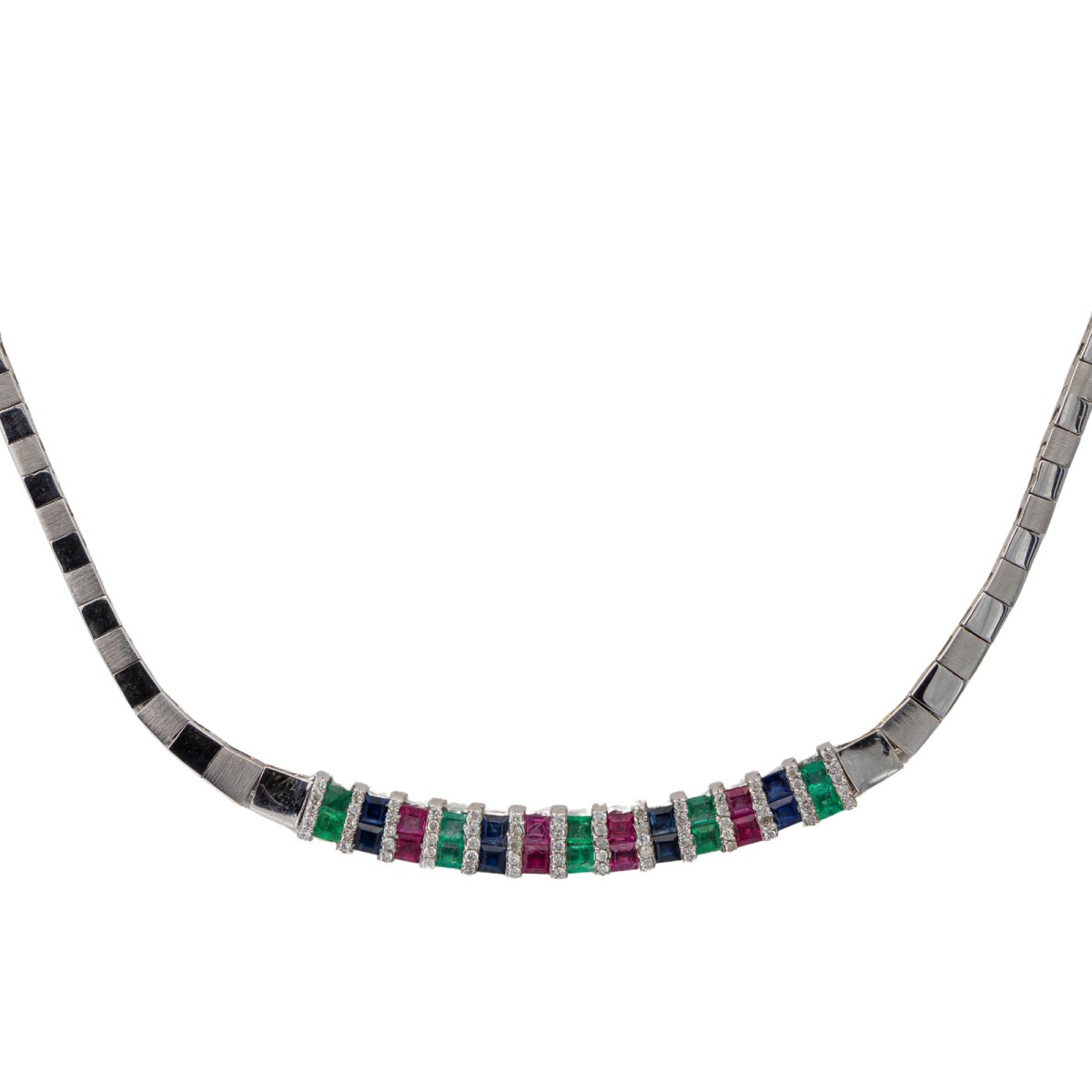
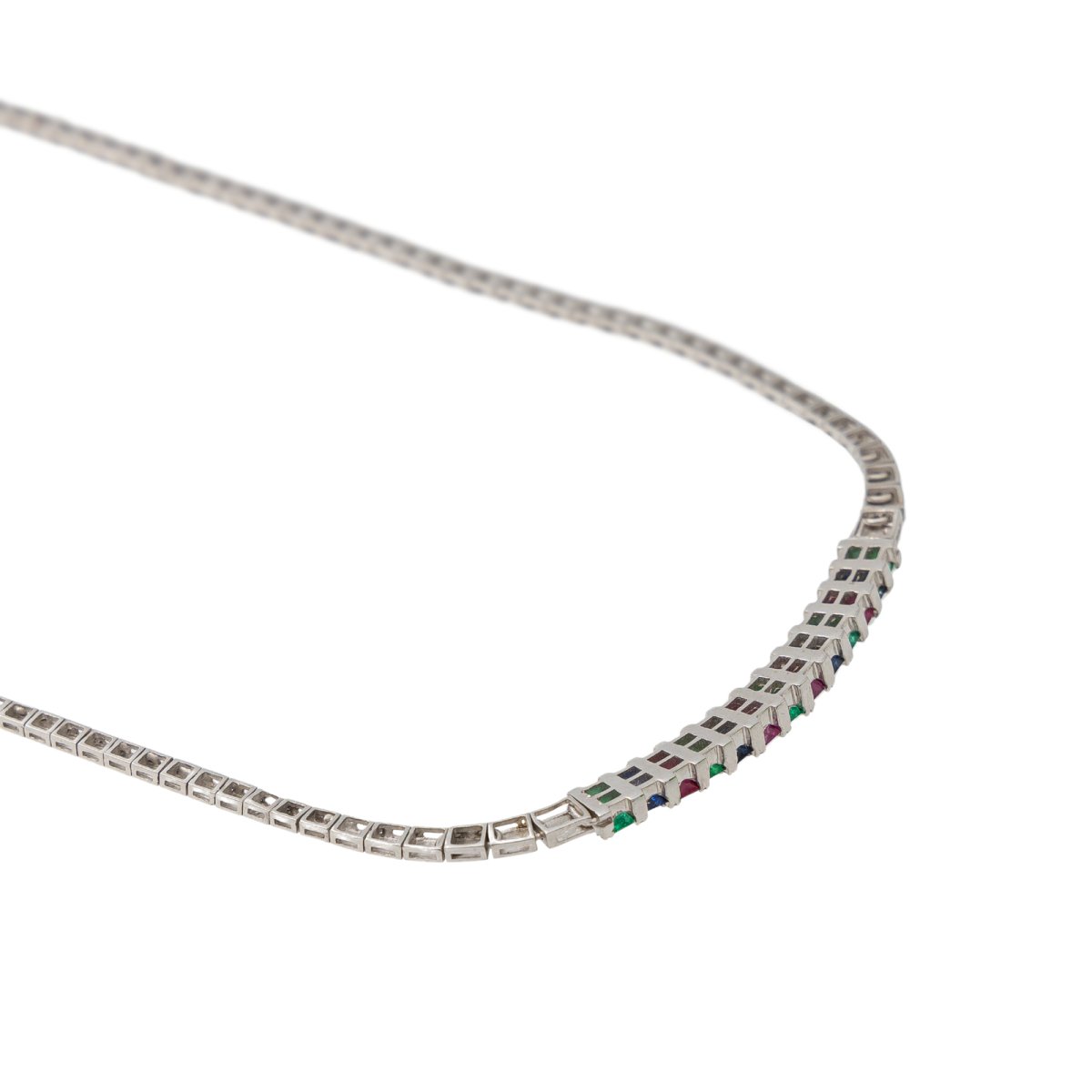
Popularized in the 1920s and 1930s , the " Tutti Frutti " style is characterized by the use of colored gems in various forms , often inspired by floral and fruity motifs .
The " Tutti Frutti " creations use a mix of sapphires , rubies , emeralds , and diamonds , often cut into geometric or whimsical shapes . Inspired by Indian and oriental motifs , this vibrant aesthetic became one of the House's most daring signatures during the Art Deco era.

Indian and Eastern influences
In 1901 , Queen Alexandra of Denmark commissioned Pierre Cartier to create a necklace that could be worn with Indian dresses given to her by Mary Curzon , wife of the Viceroy of India.
In 1911 , Jacques Cartier , brother of Pierre Cartier, was influenced by Indian culture during his travels there and incorporated these precious stones into the Maison's jewelry. Fascinated by Mughal jewels and hand-engraved gemstones , he decided to integrate this influence into Parisian creations. These inspirations came to life in exuberant jewelry , combining Western craftsmanship with Eastern aesthetics .

Recognition and pinnacle of style
A decisive turning point occurred in 1925 , at the International Exhibition of Modern Decorative and Industrial Arts in Paris , where Tutti Frutti jewelry was acclaimed as avant-garde masterpieces.
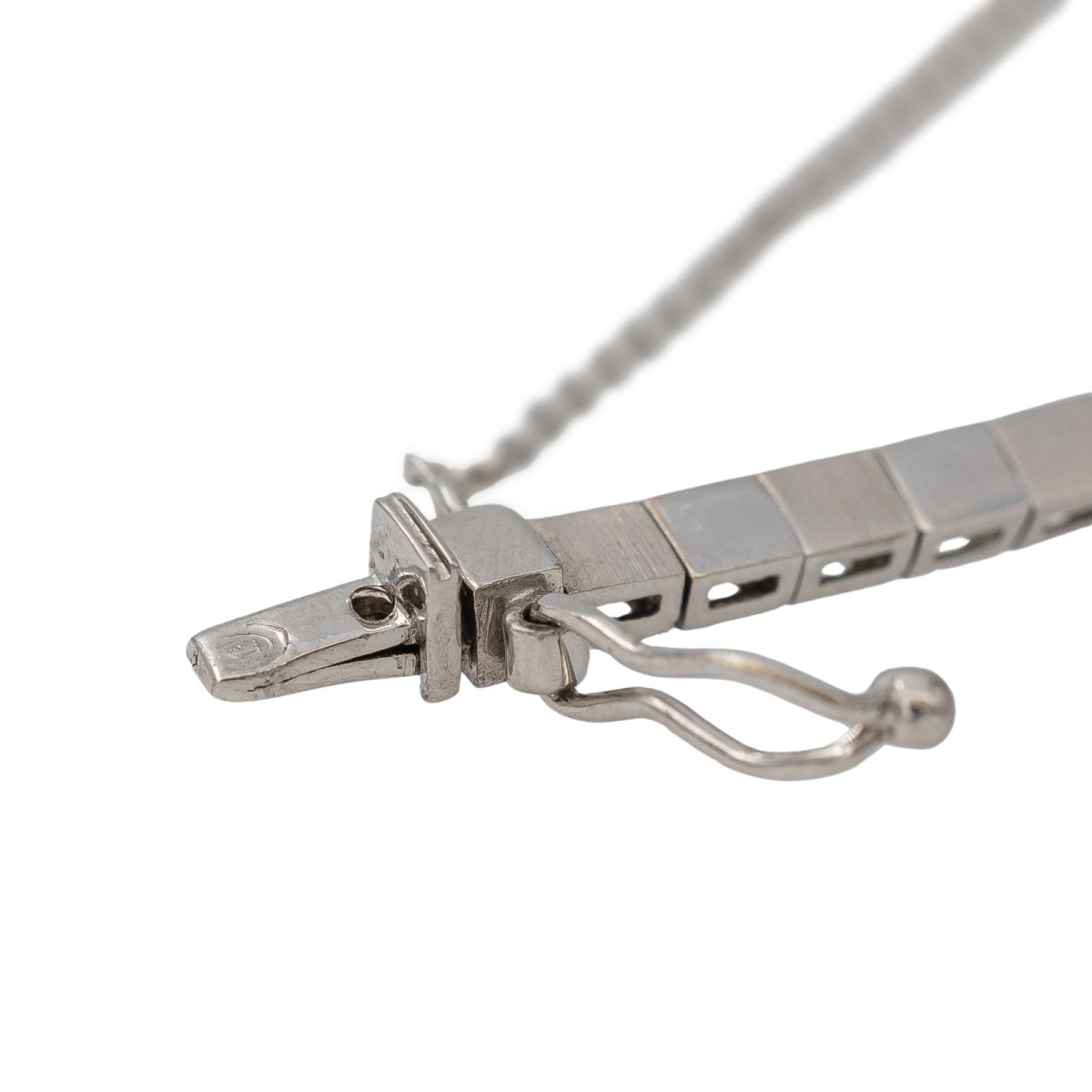
Among the most famous pieces is the necklace made for Daisy Fellowes , a French socialite and heiress, designed using antique stones provided by the client. This necklace symbolizes the dazzling beauty of " Tutti Frutti ," paying homage to traditional Indian jewelry , originally featuring a cord at the back rather than a clasp.

From India to the registered trademark
It was only in the 1970s that the " Hindu " style was renamed " Tutti Frutti " in reference to a cream filled with small pieces of colorful fruit , brought to France by Catherine de Medici from Florence. Subsequently, Cartier registered it as a trademark in 1989 in the field of jewelry and watches .
Even today, the Tutti Frutti style embodies Cartier's love for color , volume and the blending of cultures , while remaining one of the most brilliant testimonies of its creative know-how .